
Bell’s Palsy is a condition characterized by sudden, temporary weakness or paralysis of the muscles on one side of the face. It occurs when the facial nerve (cranial nerve VII) becomes inflamed or compressed, leading to symptoms such as drooping of the mouth or eyelid, loss of facial expression on one side, drooling, and difficulty closing the eye. While most patients recover fully within weeks to months, the condition can be distressing and may cause pain, muscle tension, and anxiety.
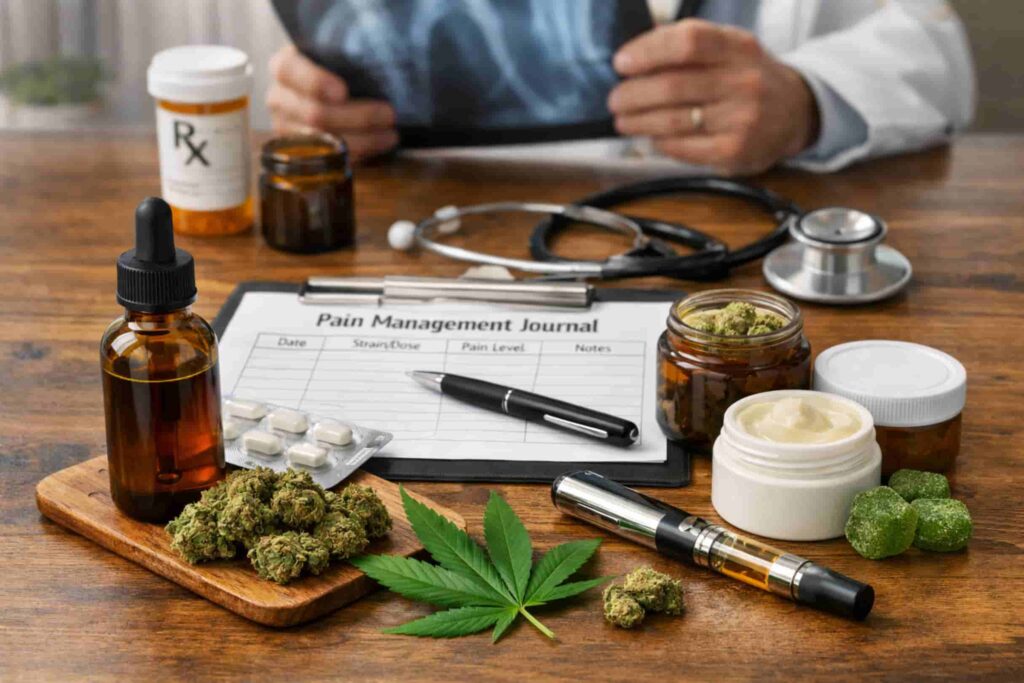
Traditional treatment often includes corticosteroids, antiviral medications, eye care, and physical therapy. It is very important to seek qualified medical care when these symptoms arise because these same symptoms could also be caused by a stroke, which must be ruled out urgently. Once the diagnosis is established, however, patients will focus on managing symptoms while the Bell’s palsy resolves. Increasingly, some patients are exploring medical cannabis as a complementary therapy to support symptom management, reduce inflammation, and improve overall comfort.
At ReThink-Rx, we guide patients in safely integrating medical cannabis into a comprehensive care plan.
Understanding Bell’s Palsy
Bell’s Palsy usually develops rapidly, often overnight, and can affect anyone, though it is more common in adults aged 15 to 60. Symptoms include:
- Sudden weakness or paralysis on one side of the face
- Drooping eyelid or mouth
- Drooling or difficulty speaking
- Loss of taste on the front two-thirds of the tongue
- Pain or discomfort around the jaw or behind the ear
-
Sensitivity to sound in the affected ear
Most cases are temporary, but managing discomfort, stress, and inflammation during the recovery period is crucial. Again, differentiating between Bell’s palsy and stroke is extremely important.
How Medical Cannabis May Help
Medical cannabis contains cannabinoids, primarily THC (tetrahydrocannabinol) and CBD (cannabidiol), which interact with the endocannabinoid system (ECS). The ECS regulates pain, inflammation, nerve signaling, and mood, making it particularly relevant for Bell’s Palsy symptoms.
- THC: Psychoactive, but may reduce nerve-related pain and promote relaxation and sleep, which are critical during recovery.
-
CBD: Non-psychoactive and has anti-inflammatory and neuroprotective properties. CBD may help calm inflammation of the facial nerve and support overall nerve health.
By modulating both the nervous and immune systems, medical cannabis may alleviate pain, reduce stress, and enhance quality of life during the recovery phase.
Evidence Supporting Cannabis for Nerve-Related Conditions
While research specifically on Bell’s Palsy and medical cannabis is limited, studies on neuropathic pain, inflammation, and nerve recovery provide insights:
- Pain and Discomfort Relief: THC and CBD can reduce nerve-related pain and tenderness around the jaw and ear.
- Anti-inflammatory Effects: Cannabinoids may help decrease inflammation of the facial nerve, potentially supporting faster recovery.
- Sleep Support: Discomfort and anxiety can disrupt sleep; cannabis may promote relaxation and improve rest.
-
Stress and Mood Regulation: Coping with sudden facial changes can be distressing; cannabinoids may help reduce anxiety and improve mood.
Although more research is needed on Bell’s Palsy specifically, medical cannabis has shown benefits for similar nerve and inflammatory conditions.
Medical Cannabis Products for Bell’s Palsy
Several cannabis products may help manage Bell’s Palsy symptoms, depending on the type and severity:
1. Oral Products (Capsules, Edibles, Tinctures)
- Provide systemic relief for nerve pain, stress, or sleep disturbances
- Longer-lasting effects compared to inhalation
-
Ideal for ongoing discomfort during recovery
2. Sublingual Tinctures
- Absorbed under the tongue for faster onset
-
Useful for acute nerve discomfort or anxiety
3. Topical Creams and Balms
- Applied to areas of localized pain or tenderness around the jaw or ear
- CBD-dominant or balanced THC:CBD formulations provide soothing relief
-
Minimal systemic effects
4. Inhalation (Vaporization)
- Rapid onset of relief for acute nerve pain or anxiety
-
Safer than smoking, particularly for patients with respiratory concerns
At ReThink-Rx, we help patients select the most appropriate products and delivery methods based on symptoms, lifestyle, and tolerance.
Potential Benefits of Medical Cannabis for Bell’s Palsy
Medical cannabis may provide several advantages for individuals experiencing Bell’s Palsy:
- Pain and Discomfort Relief: Cannabinoids may reduce soreness, tenderness, and nerve-related pain.
- Reduced Inflammation: CBD may help reduce inflammation in the facial nerve and surrounding tissues.
- Improved Sleep: Relief from discomfort can enhance sleep quality, supporting healing.
- Stress and Anxiety Management: Coping with facial changes can be stressful; cannabis may help regulate mood and promote relaxation.
-
Supportive Adjunct Therapy: Cannabis can complement conventional treatments such as corticosteroids, antiviral medications, and physical therapy.
Safety Considerations and Side Effects
Medical cannabis is generally safe under supervision, but potential side effects include:
- Drowsiness or fatigue
- Dry mouth or mild dizziness
- Psychoactive effects from THC, including mood changes or mild, temporary cognitive impairment
-
Interactions with medications such as antivirals, corticosteroids, or sedatives
Patients should consult a certified medical cannabis physician to ensure safety, appropriate dosing, and minimal risk of adverse effects.
Tailoring Cannabis Therapy for Bell’s Palsy
An individualized approach ensures optimal benefits:
- THC-to-CBD ratio: CBD-dominant or balanced products may provide symptom relief without excessive psychoactive effects.
- Dosage and timing: Adjusted based on symptom severity, sleep needs, and tolerance.
- Delivery method: Oral or sublingual products for systemic relief; topicals for localized tenderness.
-
Integration with conventional care: Cannabis should complement, not replace, corticosteroids, antiviral therapy, and physical therapy.
Personalized therapy helps relieve symptoms while minimizing side effects.
Legal Considerations in Virginia
Virginia residents with qualifying medical conditions can access medical cannabis under physician supervision. While Bell’s Palsy itself may not always qualify, patients experiencing nerve pain, inflammation, or functional impairment may be eligible. Requirements include:
- Age 18 or older
- Residency in Virginia (permanent or temporary)
- Qualifying medical condition like Bell’sPalsy with nerve pain
-
Evaluation by a certified medical cannabis physician
Approved patients can purchase medical cannabis at state-licensed dispensaries. Providers like ReThink-Rx ensure legal compliance, safe dosing, and ongoing support.
Complementary Strategies for Bell’s Palsy Management
Medical cannabis can be effective for symptom relief, but must be combined with traditional therapeutic measures, including:
- Corticosteroid or antiviral treatment: Essential for reducing nerve inflammation and viral activity
- Physical therapy or facial exercises: Improves muscle tone and function during recovery
- Eye care: Artificial tears or eye patches prevent dryness and injury if eyelid closure is impaired
- Stress management techniques: Meditation, gentle exercise, or counseling can reduce anxiety
-
Sleep hygiene: Better sleep supports immune function and healing
Combining cannabis therapy with these strategies may enhance recovery and improve overall comfort.
Final Thoughts
Bell’s Palsy can be a sudden and distressing condition, but medical cannabis offers a promising complementary option for managing nerve pain, inflammation, and stress during recovery. By leveraging the anti-inflammatory, analgesic, and calming effects of THC and CBD, patients may experience improved comfort, better sleep, and enhanced emotional well-being.
At ReThink-Rx, we guide patients through safe, personalized medical cannabis therapy, ensuring it complements conventional care and supports optimal recovery. Consulting a certified physician is the first step toward integrating cannabis responsibly into a Bell’s Palsy symptom management plan.
Disclaimer: This article is for educational purposes only and is not a substitute for professional medical advice, diagnosis, or treatment. Always consult a qualified healthcare provider with any questions about your health or medical conditions.

Dr. Marsh, is a board-certified anesthesiologist with over 37 years of healthcare experience. A graduate of Syracuse University, the New York College of Osteopathic Medicine, and Rutgers University Medical School, he has earned recognition from FindaTopDoc.com for clinical excellence. Dr. Marsh founded ReThink-Rx in 2021, where he now focuses on educating, supporting, and certifying patients for medical cannabis.