THC: Medical Benefits, Effects, and How It Works
THC (tetrahydrocannabinol) is the main intoxicating compound in cannabis, but it also has important medical effects. THC interacts with the body’s natural communication system, the endocannabinoid system. Through this system, it can influence pain, nausea, appetite, sleep, muscle control, mood, and other functions.
For medical cannabis patients, the goal isn’t necessarily to feel “high.” It’s to find a dose that helps manage symptoms without causing unwanted side effects. For some patients, that amount may be surprisingly small.
THC has been studied for decades, and THC-based prescription medications are already used for certain medical conditions. Here’s what patients should know about how THC works, its potential medical benefits, its risks, and how it differs from CBD.
What Is THC?
THC stands for tetrahydrocannabinol. More specifically, the THC most people mean when discussing marijuana is delta-9-tetrahydrocannabinol, or delta-9 THC.
It’s one of more than 100 cannabinoids—natural chemical compounds produced by the cannabis plant.
THC is best known for causing the “high” associated with cannabis. But intoxication is only one of its effects.
THC can also change how the brain and nervous system process pain, nausea, appetite, movement, mood, and sensory information. Those effects are what make THC medically interesting.
The Chemistry of THC
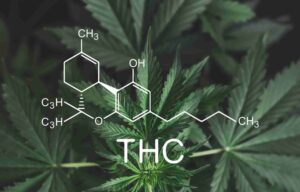
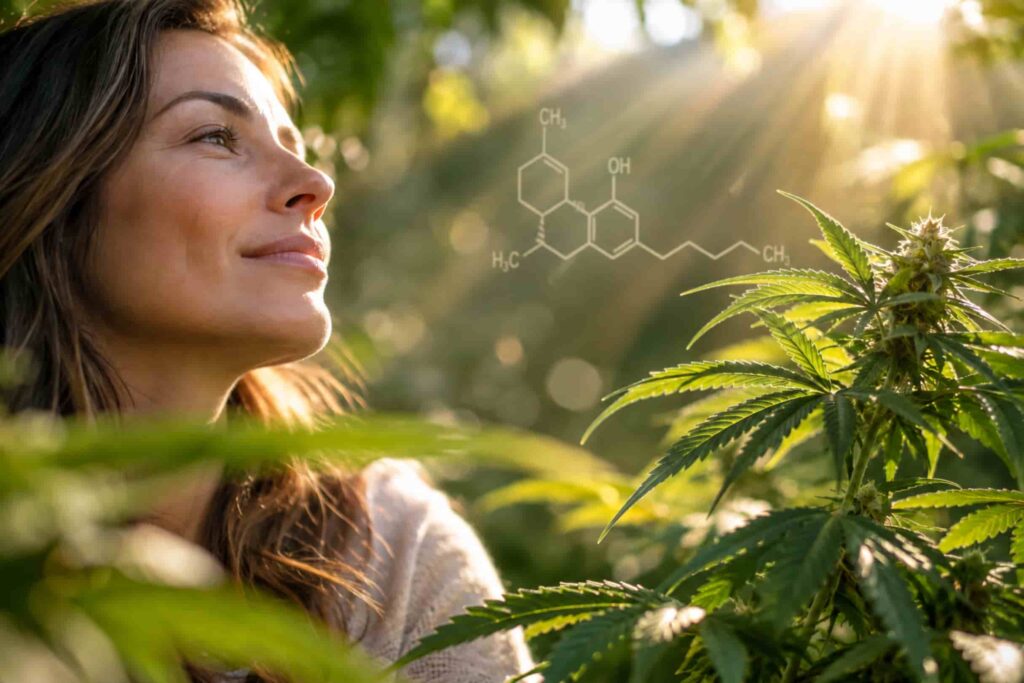
At a molecular level, THC boasts a distinctive structure with 21 carbon atoms and a pentyl (5-carbon) side chain, denoted by the molecular formula C21H30O2. This unique structure allows THC to interact with the endocannabinoid system (ECS) in the human body, specifically binding to CB1 receptors in the brain and central nervous system. It is this interaction that gives rise to THC’s psychoactive effects.
What Does THC Do to the Body?
THC works mainly by interacting with the endocannabinoid system, often shortened to ECS.
The name sounds complicated. The basic idea isn’t.
Your body has a built-in network that helps different cells communicate and maintain balance. The ECS plays a role in several everyday functions, including:
- Pain
- Appetite
- Sleep
- Mood
- Memory
- Stress
- Movement
- Immune activity
Your body even produces its own cannabis-like chemicals. They’re called endocannabinoids.
These natural chemicals attach to receptors on cells and deliver messages. The two best-known cannabinoid receptors are CB1 and CB2.
THC can interact with these same receptors.
How Does THC Work With the Endocannabinoid System?
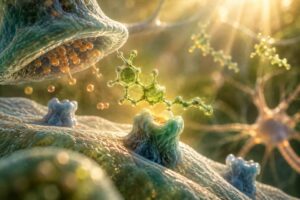
THC acts strongly at CB1 receptors, which are especially common in the brain and nervous system.
Think of a receptor as a tiny receiving station on a cell. When the right chemical interacts with it, the cell receives a signal.
THC can partially activate CB1 receptors because its chemical structure allows it to imitate some of the body’s natural endocannabinoids.
That helps explain why THC can have such a wide range of effects.
For example, THC’s interaction with cannabinoid receptors may change how strongly the brain perceives certain pain signals. In other parts of the nervous system, it can affect appetite, nausea, memory, coordination, or mood.
It’s also why THC can cause intoxication. CB1 receptors are found in brain areas involved in thinking, memory, movement, judgment, and perception.
Suggested Reading: How Cannabis Works with the Endocannabinoid System.
What Are the Medical Benefits of THC?

THC isn’t a cure-all, and research quality varies by medical condition. Still, THC and THC-containing medicines have several potential therapeutic uses.
Some of the best-studied areas include chronic pain, chemotherapy-related nausea and vomiting, poor appetite associated with certain illnesses, and muscle spasticity.
THC for Chronic Pain
Pain is one of the most common reasons patients consider medical cannabis.
THC doesn’t simply “turn off” pain. Instead, it may change how the body processes pain signals and how strongly those signals are experienced.
This may be particularly useful for certain forms of chronic and neuropathic pain, sometimes called nerve pain.
Clinical research suggests that some THC-containing cannabis products can provide modest improvements in chronic pain for some patients. Side effects such as dizziness and sedation also occur, so treatment involves balancing potential relief against those unwanted effects.
For someone living with persistent pain, even a modest improvement may matter. The goal is often not zero pain, but better function, better sleep, and a more manageable day.
THC for Nausea and Vomiting
Nausea is one of THC’s most established medical applications.
THC influences brain areas involved in the nausea and vomiting response. This is especially important for patients undergoing treatments such as chemotherapy.
In fact, dronabinol, a prescription form of delta-9 THC, is FDA-approved for chemotherapy-related nausea and vomiting in adults who haven’t responded adequately to conventional anti-nausea medicines.
That’s an important point. THC isn’t simply a traditional or alternative remedy. A pharmaceutical form of the molecule has recognized medical uses.
THC for Appetite Loss
Cannabis is famous for causing “the munchies.” In medical care, that effect can sometimes be beneficial.
THC may increase appetite and make eating more appealing.
This can matter for patients who struggle to maintain adequate nutrition because of illness or medical treatment.
Prescription dronabinol is also approved to treat anorexia associated with weight loss in adults with AIDS.
THC-containing cannabis products are sometimes considered for appetite problems associated with other conditions, but the evidence and medical circumstances vary.
THC for Muscle Spasms and Spasticity
THC may also affect the nerve signals that control muscle activity.
Cannabinoid medicines containing THC have been studied for spasticity, which causes persistent muscle tightness, stiffness, or spasms.
This symptom is particularly common in neurological conditions such as multiple sclerosis.
Some patients report fewer spasms, less discomfort, or easier movement. Responses differ considerably, however, and THC isn’t appropriate for every patient with muscle symptoms.
Can THC Help With Sleep?
THC can make some people feel sleepy, particularly at certain doses.
That doesn’t necessarily make it a traditional sleeping medication.
THC may be most useful when another symptom is keeping a patient awake. Someone whose sleep is repeatedly interrupted by chronic pain, for example, may sleep better if that discomfort becomes easier to manage.
Dose matters here. Higher doses don’t always produce better sleep, and regular THC use may change sleep patterns or lead to tolerance.
Good sleep habits still matter, even when cannabis is part of the treatment plan.
Does THC Have Other Medical Uses?
Possibly. THC and other cannabinoids are being investigated for many conditions.
Patients use medical cannabis for symptoms associated with conditions such as:
- neurological disorders,
- chronic inflammatory conditions,
- post-traumatic stress,
- anxiety,
- migraine,
- and other persistent illnesses.
But there’s an important distinction between patient-reported benefits and strong clinical evidence.
Research is much better established for some symptoms than others. A medical cannabis treatment plan should reflect what we actually know rather than assuming THC treats every condition equally well.
What Is the History of THC?

People used cannabis as medicine long before scientists knew THC existed.
Historical records describe medicinal cannabis use going back thousands of years. Several ancient cultures used plant preparations for pain and other symptoms.
Modern THC research took a major step forward in 1964. Scientists Raphael Mechoulam and Yechiel Gaoni identified and described the chemical structure of delta-9 THC. That discovery changed cannabis science.
Researchers could now study THC as an individual molecule rather than simply studying the cannabis plant as a whole. Over the following decades, scientists discovered cannabinoid receptors and eventually identified the body’s own endocannabinoids.
Cannabis research had revealed something unexpected: the human body already had a biological system designed to respond to cannabinoid-like molecules.
We now call it the endocannabinoid system.
What Is the Difference Between THC and CBD?
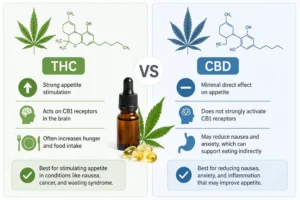
THC and CBD both come from cannabis, but they behave differently.
The biggest difference is simple: THC can cause intoxication. CBD generally doesn’t.
THC directly influences CB1 receptors much more strongly than CBD. That’s one reason THC has more noticeable effects on perception, memory, coordination, appetite, and mood.
CBD works differently and may influence several biological pathways.
For medical patients, the question isn’t always THC or CBD? Sometimes the better question is how much of each?
Products may contain:
- Mostly THC
- Mostly CBD
- Similar amounts of THC and CBD
- THC and CBD along with smaller amounts of other cannabinoids
A balanced THC-to-CBD product may feel quite different from a high-THC product.
Finding the right balance is part of individualized medical cannabis treatment.
Suggested Reading: THC versus CBD: Explore the Differences and Benefits
What Is the Entourage Effect?

THC doesn’t exist alone inside the cannabis plant.
Cannabis contains many cannabinoids, including CBD, CBG, CBC, and CBN, along with aromatic compounds called terpenes.
Researchers have proposed that these compounds may interact with one another and influence the overall effects of cannabis. This idea is known as the entourage effect.
Think of an orchestra. THC may be one of the loudest instruments, but it isn’t necessarily playing alone.
It’s an appealing theory, and laboratory research supports investigating it. However, clinical evidence remains limited. We can’t yet reliably predict that a particular terpene-cannabinoid combination will produce a specific medical result in every patient.
Still, the concept helps explain why THC percentage alone doesn’t tell you everything about a cannabis product.
Does Higher THC Mean Better Medical Cannabis?
No.
This is one of the most important lessons for new medical cannabis patients.
More THC doesn’t automatically mean more relief.
Increasing the dose may sometimes improve a symptom, but it also increases the chance of unwanted effects. Too much THC can cause dizziness, anxiety, poor coordination, confusion, rapid heart rate, or excessive sedation.
There may be a point where increasing THC actually makes the experience worse.
Medical treatment is about finding your therapeutic window—the amount that provides useful symptom relief without unacceptable side effects.
For many patients, that means following a simple rule:
Start low. Go slow.
What Does THC Feel Like?

THC affects people differently.
At lower doses, some patients describe relaxation, reduced discomfort, increased appetite, sleepiness, or simply feeling less bothered by a troublesome symptom.
As the dose increases, intoxication becomes more noticeable.
Possible effects and side effects include:
- Relaxation
- Sleepiness
- Increased appetite
- Altered perception
- Dry mouth
- Dizziness
- Faster heart rate
- Slower reaction time
- Poor coordination
- Short-term memory problems
- Trouble concentrating
- Anxiety or panic
The same dose can affect two people very differently.
Previous cannabis experience, age, metabolism, medications, genetics, product type, and even whether THC was inhaled or swallowed can change the experience.
How Long Does THC Take to Work?
That depends heavily on how you consume it.
Inhaled THC usually begins working within minutes. This makes it easier to notice the effect before deciding whether you need more, although inhalation has its own health considerations.
Edibles are very different.
Swallowed THC must travel through the digestive system and liver before producing its full effects. It can take much longer to feel the results, and those effects can last for many hours.
This creates one of the most common problems with cannabis edibles.
A person takes an edible. Nothing happens right away. They take another.
Then both doses begin working.
Waiting long enough before taking more is one of the simplest ways to reduce the risk of an unpleasant THC experience.
Can You Build a Tolerance to THC?
Yes.
Regular THC exposure can cause the body to become less sensitive to its effects. Over time, a patient may notice that the same dose doesn’t work as strongly as it once did.
Continually increasing THC isn’t always the best solution.
A rising dose may be a reason to reconsider the product, THC-to-CBD ratio, timing, frequency of use, or overall treatment plan.
Sometimes less really is more.
Is THC Safe?
THC has a relatively favorable safety profile compared with many substances, but that doesn’t mean it’s risk-free.
The most common concerns involve impairment, dizziness, sedation, anxiety, memory problems, and poor coordination.
THC can also interact with medications and other substances.
Combining THC with alcohol, sedatives, opioids, sleep medications, or other drugs that cause drowsiness can increase impairment. Certain medications may also affect how the liver processes cannabinoids.
That’s one reason it’s important to discuss your medications when considering medical cannabis.
Who Should Be Careful With THC?

Some patients need additional caution or may be advised to avoid THC.
That may include people with certain:
- Cardiovascular conditions
- Psychiatric disorders
- Neurological conditions
- Medication interactions
- History of severe reactions to THC
Pregnancy and breastfeeding also require special consideration, and cannabis is generally discouraged during pregnancy.
Older adults may be more sensitive to dizziness, sedation, blood pressure changes, and falls.
THC can also impair driving. Don’t drive or operate dangerous equipment while impaired by cannabis.
Is THC Addictive?
THC can become habit-forming for some people.
Regular cannabis use can lead to tolerance and dependence, and some people develop cannabis use disorder, meaning cannabis use becomes difficult to control despite causing problems.
Risk isn’t the same for everyone.
Frequent use, high-THC products, younger age at first use, and certain behavioral or mental health factors can increase the likelihood of problematic use.
Medical use shouldn’t mean ignoring these risks. It means weighing them against the potential benefits and using cannabis thoughtfully.
What Is the Best THC Dose for Medical Use?
There isn’t one perfect dose.
That’s because people respond very differently to THC.
A patient’s ideal dose depends on factors such as:
- Treatment goal
- Previous cannabis experience
- Age
- Other medications
- THC sensitivity
- Product type
- Method of administration
- THC-to-CBD ratio
The goal isn’t to take the largest dose you can tolerate.
The goal is to find the lowest practical dose that provides meaningful benefit.
For a patient with chronic pain, success might mean sleeping through the night. For someone with nausea, it might mean being able to eat dinner. Another patient may simply want enough relief to take a walk or spend time comfortably with family.
Those are meaningful medical goals.
Is THC Really Medicine?

Yes—but that answer needs context.
THC is a biologically active compound with recognized medical effects. FDA-approved medications containing synthetic or pharmaceutical forms of THC already exist, including dronabinol.
At the same time, the cannabis plant itself hasn’t been FDA-approved as a treatment for medical conditions.
Research into cannabis is continuing, and the quality of evidence varies significantly depending on the disease, symptom, cannabinoid combination, dose, and method of administration.
So THC shouldn’t be treated as either a miracle medicine or something without legitimate therapeutic value.
The reality sits between those extremes.
What Should Medical Cannabis Patients Know About THC?

THC is much more than the ingredient in cannabis that causes a high.
It’s a cannabinoid that interacts with the body’s endocannabinoid system and can influence pain, nausea, appetite, muscle activity, sleep, mood, and perception.
For the right patient, those effects may be useful.
Successful medical cannabis treatment isn’t about finding the product with the highest THC percentage. It’s about finding the right dose, cannabinoid balance, delivery method, and timing for you.
THC is a tool.
Used thoughtfully, it may help some patients manage difficult symptoms and improve day-to-day quality of life. Used carelessly, particularly at unnecessarily high doses, it can cause unwanted effects that outweigh its benefits.
Understanding that difference is one of the most important steps toward using medical cannabis responsibly.
Frequently Asked Questions About THC
What does THC stand for?
THC stands for tetrahydrocannabinol. Delta-9-tetrahydrocannabinol is the primary intoxicating cannabinoid found in cannabis.
What does THC do?
THC interacts mainly with cannabinoid receptors in the brain and nervous system. It can affect pain, appetite, nausea, sleep, mood, memory, movement, and perception.
What is THC used for medically?
THC and THC-containing medicines have been studied or used for chronic pain, chemotherapy-related nausea and vomiting, appetite loss, and muscle spasticity, among other symptoms. Evidence strength varies by condition.
Does THC get you high?
Yes. THC can cause intoxication because of its effects on CB1 cannabinoid receptors in the brain. The intensity depends on the dose, product, method of use, and individual sensitivity.
Is THC the same as CBD?
No. THC and CBD are different cannabinoids. THC can cause intoxication, while CBD generally doesn’t. They also interact with the body differently.
Is more THC better for pain?
Not necessarily. Higher doses may increase side effects without providing additional relief. Medical cannabis treatment generally aims for the lowest dose that provides meaningful benefit with tolerable side effects.
Can THC help you sleep?
THC can cause sleepiness and may help some patients sleep when symptoms such as pain interfere with rest. Its effects on sleep vary with dose, frequency of use, and individual response.
Can you become tolerant to THC?
Yes. Regular THC use can lead to tolerance, meaning a person needs more to produce the same effect. Increasing the dose isn’t always the best response and may increase side effects.
Is THC safe for everyone?
No. THC requires extra caution in some patients, including people with certain heart, psychiatric, or neurological conditions, those taking medications that may interact with cannabis, and older adults. Cannabis use is generally discouraged during pregnancy and breastfeeding.
The Bottom Line: THC Is About Finding the Right Balance

So, what is THC?
THC is the main intoxicating cannabinoid in cannabis, but it’s also a medically important compound with effects on the brain, nervous system, appetite, pain pathways, nausea, muscle activity, and other body functions.
For medical cannabis patients, the most important question isn’t, “How strong is it?”
It’s “Is it helping?”
The best medical cannabis plan aims for meaningful symptom relief with the fewest unwanted effects. That often means starting with a low dose, increasing cautiously when appropriate, and watching how your body responds.
THC isn’t right for everyone. But for appropriately selected patients, it may be a useful part of a thoughtful, individualized approach to symptom management.
Medical Disclaimer: This article is for educational purposes only and isn’t intended to diagnose, treat, cure, or prevent any medical condition. THC and medical cannabis can cause side effects and interact with medications. Talk with a qualified healthcare professional before starting or changing cannabis treatment.

Dr. Nicholas Marsh, DO is a board-certified anesthesiologist with over 37 years of healthcare experience. A graduate of the New York College of Osteopathic Medicine, he has served as an attending anesthesiologist at Inova Loudoun Hospital Center since 1992 and previously served as chairman and medical director of Anesthesia Services at a major Virginia medical center. Recognized by FindaTopDoc.com for clinical excellence, Dr. Marsh founded ReThink-Rx in 2021, where he focuses on educating, supporting, and certifying patients for medical cannabis.