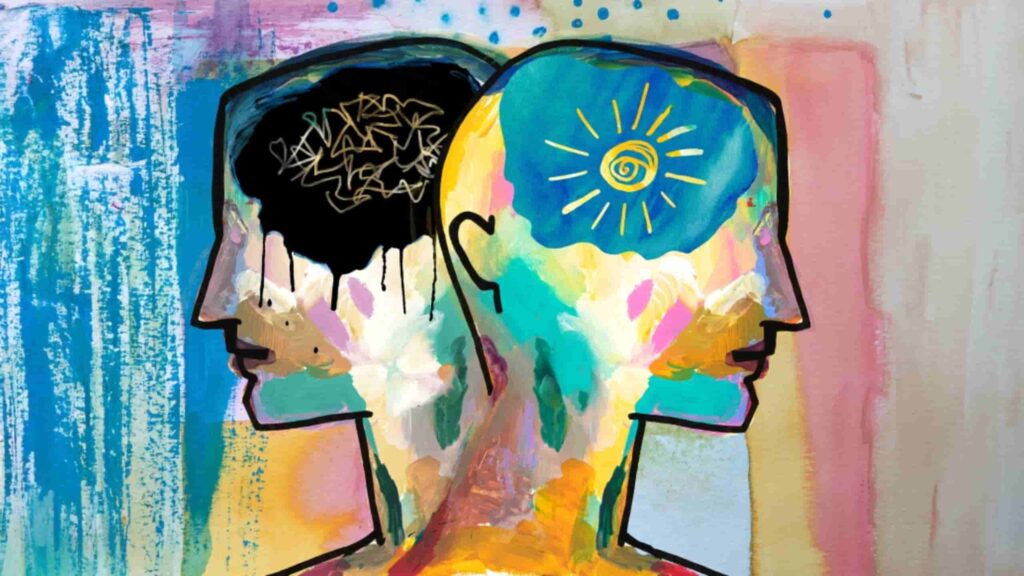
People often ask about medical marijuana for bipolar disorder because living with bipolar disorder can be challenging. The mood changes can affect daily life, relationships, and overall well-being. As awareness of medical cannabis continues to increase, many people wonder whether it could help manage bipolar symptoms or whether it may make them worse.
That is the real question. Can cannabis help stabilize mood. Or can it make symptoms worse.
The honest answer is that the research is mixed. Some people say it helps them sleep or feel calmer. But studies have not shown cannabis to be a proven treatment for bipolar disorder. In fact the current evidence suggests caution. Bipolar disorder is a serious mental health condition and any treatment decision should be made carefully with a healthcare provider.
What Is Bipolar Disorder?
Bipolar disorder affects much more than a person’s mood. It can alter the way a person feels, thinks, and responds to everyday situations. There may be times when a person feels full of energy, sleeps very little, and acts more impulsively than usual. At other times they may struggle to get through the day because of low mood, tiredness, or a loss of interest in things they normally enjoy.
People living with bipolar disorder often look for ways to feel more stable and improve their quality of life. That is why cannabis has become part of the conversation. But bipolar disorder is not a condition where treatment decisions should be made through trial and error. Every person’s symptoms are different, and cannabis may not be the right choice for everyone.
It is not just a mood problem. Bipolar disorder can affect sleep work relationships and daily routines. That is why treatment usually needs to be steady and long term. It is also why people are careful about adding anything that may affect mood in unpredictable ways.
What Is Medical Marijuana?
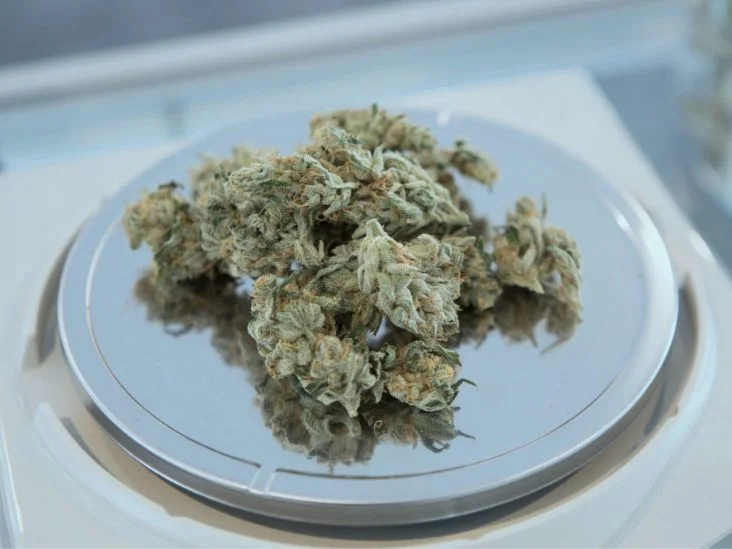
Medical marijuana is cannabis used with the goal of easing symptoms. The two most talked about compounds are THC and CBD. THC is the part that causes a high. CBD does not cause intoxication.
That difference matters a lot when people talk about cannabis and bipolar disorder. THC and CBD can affect the brain in very different ways. A product that feels calming for one person may feel too strong or too activating for another. That is why it is never a simple one size fits all choice.
Cannabis products also come in different forms. Some people use oils. Others use capsules or edibles. Some use inhaled products. But the form is only one part of the picture. The bigger question is whether cannabis is a safe fit for someone living with bipolar disorder.
How Marijuana Affects the Brain?
Cannabis works by interacting with systems in the brain that affect mood sleep appetite stress response and thinking. That is one reason people hope it might help with bipolar symptoms. It can change how a person feels in the short term.
But that same effect can be a problem too. A substance that changes mood can also make mood less stable. That is especially important in bipolar disorder where stability is the main goal.
Some people feel calmer after using cannabis. Others feel more anxious or foggy. Some feel sleepy. Others feel more alert or restless. The response can depend on the product the dose the person and the stage of their illness. That is why does weed help with bipolar disorder is such a complicated question.
Is CBD or THC Better for Bipolar Disorder?
People often ask whether CBD or THC is the better option. The short answer is that neither is proven to treat bipolar disorder.
THC is more likely to cause intoxication. It can also affect judgment and may worsen anxiety in some people. CBD does not cause a high and some people view it as the gentler option. But that does not make it a proven bipolar treatment.
If someone is thinking about cannabis for mental health symptoms it is important to understand that CBD and THC are not interchangeable. They can produce very different effects. That is one reason medical guidance matters.
Does Weed Help With Bipolar Disorder?
This is the question many people want answered first.
Some people with bipolar disorder say cannabis helps them relax or sleep. Others say it lowers their tension or takes the edge off a rough day. Those experiences are real to them. But personal relief is not the same as proof that cannabis is helping the disorder itself.
The bigger concern is what happens over time. A person may feel calmer for a few hours and still have more mood instability later. They may sleep better one night and feel more scattered the next day. That is why short term comfort does not always mean long term benefit.
The research does not currently support cannabis as a routine treatment for bipolar disorder. That does not mean every person will react the same way. It means the evidence is not strong enough to call it a reliable option.
What Does Research Say?
While individual anecdotal reports sometimes mention short-term relaxation or sleep support, comprehensive clinical research tells a much more concerning story. Large-scale psychiatric data indicates that cannabis is not an effective or reliable treatment for bipolar disorder, and its long-term use frequently leads to significantly worse mental health outcomes.
According to peer-reviewed data highlighted by Healthline, separate clinical reviews found that regular marijuana use directly worsens manic symptoms, triggers acute manic episodes, and is associated with a significantly higher rate of attempted suicide among individuals with bipolar disorder. Furthermore, cannabis exposure is strongly linked to an earlier age of bipolar onset. This is a severe clinical concern because an earlier onset typically causes more volatile and difficult-to-manage symptoms throughout a patient’s lifetime.
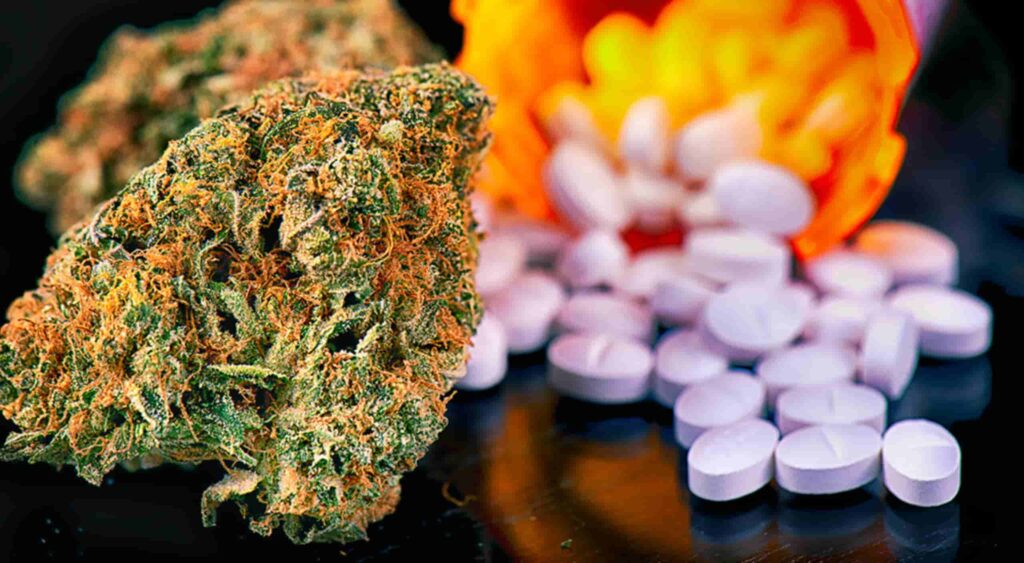
What are the Benefits of Bipolar Medications?
A major peer-reviewed meta-analysis published in PubMed Central (PMC10756590) explicitly defines the biological mechanics behind why standard psychiatric care is necessary. The meta-analysis demonstrates that cannabis causes severe dopaminergic hyperactivity in the mesolimbic region of the brain, permanently sensitizing the dopaminergic system and creating a long-term vulnerability to severe manic phases and psychosis.
Additionally, individuals carrying specific genetic variations in the AKT1 and COMT genes experience a drastically elevated risk of developing permanent psychosis if they use cannabis. Because standard prescription mood stabilizers and therapies are proven to safely protect these exact neural pathways without destabilizing the brain, current psychiatric consensus strongly advises adhering to standard medical treatments rather than using cannabis to manage bipolar disorder.
What are the Risks of Using Cannabis with Bipolar Disorder?
This is where the conversation needs to stay honest.
Cannabis can carry real risks for people with bipolar disorder. One concern is that THC may trigger mania or make mood swings worse. Another concern is increased anxiety or paranoia. Some people may also experience more depression rather than less.
There is also the risk of psychosis in vulnerable individuals. That matters because bipolar disorder can already involve severe mood symptoms and in some cases psychotic symptoms. If cannabis adds more instability that can create a serious problem.
Dependence is another concern. Some people find themselves using cannabis more often than they planned. That can make it harder to know whether it is actually helping. It can also interfere with prescribed treatment.
There is also the issue of judgment. Bipolar disorder already affects decision making during certain episodes. Cannabis may add more fog or confusion. That is not a small issue. It can affect sleep routines medication use work and relationships.
Can I Get a Medical Card for Bipolar Disorder?
People also ask can i get a medical card for bipolar disorder. The answer depends on where you live and how the local medical cannabis program works.
In some places bipolar disorder may be considered by a qualified provider. In others the rules may be more limited. The important thing is that medical cannabis certification is usually based on the provider’s judgment and the laws in that area.
Even if it is technically possible that does not mean it is always a good idea.
Bipolar disorder is a condition where stability matters a lot. A provider will usually want to look closely at the person’s symptoms medication history sleep patterns and overall risk before considering cannabis.
If someone is thinking about a medical card for bipolar disorder the first step should always be discussed with a qualified healthcare provider.
Because Virginia’s updated laws place strict limits on over-the-counter hemp products, patients seeking highly regulated, state-tested therapeutic options must rely on formal clinical evaluations. You can learn more about how these legislative changes affect you in our complete guide to Virginia Medical Cannabis vs. Retail Hemp.
Tips If Considering Cannabis for Bipolar Disorder
If you are still considering cannabis for bipolar disorder keep the approach careful and simple.
Start low and go slow is a common phrase people use. But even more important is this. Talk to your doctor first. Do not stop prescribed bipolar medication on your own. Keep track of how you feel if you try anything new. Sleep mood energy and anxiety are all worth watching closely.
It is also smart to avoid assuming that a product labeled natural or medical is automatically safe. THC can still be strong. CBD can still interact with other things. The label alone does not tell the whole story.
Why This Topic Needs Care
Because a person’s unique neurobiology and genetic profile dictate how their brain responds to cannabinoids, adding cannabis to a complex mood disorder requires extreme clinical caution. Navigating bipolar stability means avoiding substances that alter dopamine pathways. This is why our medical team prioritizes open, honest communication and strict alignment with a patient’s primary psychiatric treatment plan before ever considering cannabis for secondary conditions.
Conclusion
Cannabis is not a clinically proven or recommended primary treatment for bipolar disorder. While individual anecdotes sometimes highlight short-term comfort, robust peer-reviewed data underscores profound long-term neurological risks, including acute mania and permanent dopamine sensitization.
At Rethink-Rx, patient safety remains our absolute clinical priority. Our physicians do not recommend or certify cannabis for managing primary bipolar symptoms. However, if an individual’s underlying mood disorder is fully stabilized and managed by a primary psychiatrist, medical cannabis may be carefully evaluated under professional medical guidance to address separate, qualifying secondary conditions—such as severe insomnia or chronic pain. If you are considering alternative therapies, always consult a qualified healthcare provider before altering your care routine.
FAQs
Q.1 What is bipolar disorder?
It is a mental health condition that causes strong shifts between high and low mood states.
Q.2 Does weed help with bipolar disorder?
Some people say it helps them relax or sleep. But the evidence does not show it is a proven treatment.
Q.3 Is CBD better than THC for bipolar disorder?
CBD does not cause a high. THC does. But neither is proven to treat bipolar disorder.
Q.4 Can cannabis make bipolar symptoms worse?
Yes. It may increase anxiety mood instability or psychosis risk in some people.
Q.5 Can I get a medical card for bipolar disorder?
It depends on where you live and how the local program works. A provider will need to decide whether it is appropriate.
Q.6 Should I stop my medication if I try cannabis?
No. Never stop bipolar medication without talking to your healthcare provider first.
Q.7 Why are researchers cautious about cannabis and bipolar disorder?
Because the evidence is limited and some studies suggest possible harm or worsening symptoms.
Q.8 What should I do if cannabis seems to affect my mood?
Stop and talk with a healthcare provider as soon as possible.
Disclaimer: This article is for educational purposes only and is not a substitute for professional medical advice, diagnosis, or treatment. Always consult a qualified healthcare provider with any questions about your health or medical conditions.

Dr. Marsh, is a board-certified anesthesiologist with over 37 years of healthcare experience. A graduate of Syracuse University, the New York College of Osteopathic Medicine, and Rutgers University Medical School, he has earned recognition from FindaTopDoc.com for clinical excellence. Dr. Marsh founded ReThink-Rx in 2021, where he now focuses on educating, supporting, and certifying patients for medical cannabis.