CBD is everywhere these days. You’ll find it in oils, capsules, creams, gummies, and even prescription medicine. But what exactly is CBD, and what does it actually do?
CBD, short for cannabidiol, is a natural compound found in cannabis and hemp. Unlike THC, CBD usually doesn’t make you feel “high.” Research suggests it may affect several systems involved in pain, inflammation, stress, sleep, and nerve function, but many of its potential medical uses are still being studied.
What Is CBD?
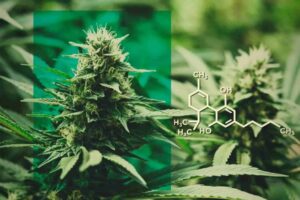
CBD is one of more than 100 natural compounds called cannabinoids found in cannabis. THC, or tetrahydrocannabinol, is another well-known cannabinoid.
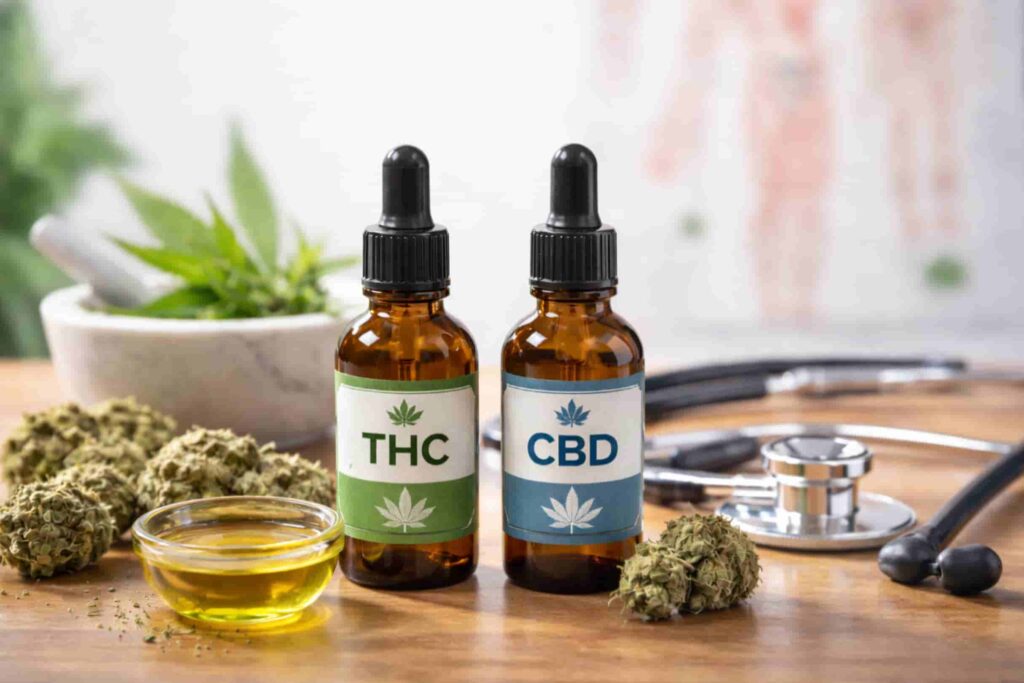
CBD and THC can affect the body very differently. THC directly activates certain cannabinoid receptors in the brain, which produces many of the familiar effects of cannabis. CBD works more indirectly.
That difference matters. A patient may use a CBD-rich product while experiencing little or no intoxication.
Does CBD Get You High?
Pure CBD doesn’t produce the typical marijuana high. That’s one of the main reasons patients are interested in it.
However, not every product labeled “CBD” contains only CBD. Full-spectrum hemp and cannabis products may contain THC along with CBD and other cannabinoids.
Even small amounts of THC can matter if you’re sensitive to it, take large doses, or undergo drug testing.
How Does CBD Work in the Body?

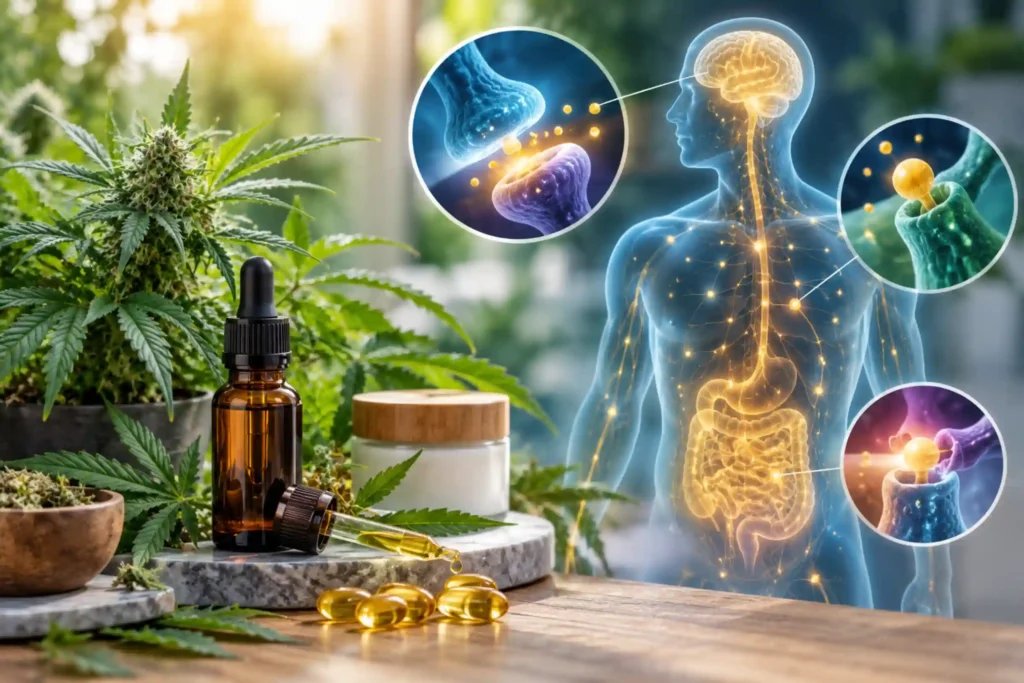
Your body has a communication network called the endocannabinoid system, or ECS. Think of it as one of the body’s balancing systems. It helps regulate functions such as pain, mood, sleep, appetite, immune activity, and memory.
CBD interacts with this system, but not in the same direct way as THC. It may influence the body’s own cannabinoid signals while also affecting serotonin receptors and other pathways.
This broad activity may help explain why scientists are studying CBD for so many different health problems.
Read More About the science behind the Endocannabinoid system HERE.
What Are the Potential Benefits of CBD?

CBD has attracted enormous medical interest because it influences several biological systems rather than acting on just one target. Researchers are studying it for conditions involving the brain, nerves, pain, inflammation, anxiety, sleep, and other areas of health.
That doesn’t mean CBD has been proven to treat all of these conditions. Far from it. The evidence ranges from strong clinical data for certain seizure disorders to promising—but still preliminary—research for many other uses.
Here’s where the science currently looks most interesting.
CBD for Epilepsy and Seizures
This is where CBD has some of its strongest medical evidence.
A purified prescription form of cannabidiol, Epidiolex, is FDA-approved for seizures associated with Lennox-Gastaut syndrome, Dravet syndrome, and tuberous sclerosis complex. These are serious neurological conditions that can be difficult to control with conventional medications.
Clinical trials found that prescription CBD could reduce seizure frequency in some patients when added to their existing treatment.
There’s an important distinction, though. The CBD used in these studies was a standardized prescription medicine given at carefully controlled doses. An over-the-counter bottle of CBD oil shouldn’t be considered equivalent.
CBD for Anxiety and Stress
Anxiety is another major area of CBD research.
CBD interacts with brain signaling systems involved in fear, mood, and stress responses, including serotonin pathways. Early human studies suggest CBD may reduce anxiety in certain situations and could have potential for some anxiety disorders.
Patients often ask whether CBD can calm anxiety without making them feel intoxicated. That possibility is one reason CBD is appealing, particularly for people who find THC uncomfortable or too stimulating.
Still, we don’t yet have enough high-quality evidence to say that CBD works as a reliable treatment for every type of anxiety. Dose matters, too. The doses studied in clinical research can be much higher than those found in many retail CBD products.
CBD for Chronic Pain
Can CBD help pain? It’s one of the most common questions patients ask, but the answer isn’t as simple as CBD marketing sometimes makes it sound.
CBD influences systems involved in how the body processes pain. Laboratory and animal studies provide good reasons to investigate it, while human studies have produced more mixed results.
Another complication is that many studies of cannabis and chronic pain involve CBD combined with THC, rather than CBD alone. This makes it difficult to know how much of the benefit comes specifically from CBD.
For patients who want to avoid or minimize THC, CBD may still be worth discussing as part of a broader pain-management plan. Expectations should remain realistic.
CBD for Nerve Pain
Neuropathic pain occurs when nerves themselves become damaged or irritated. Patients may describe it as burning, tingling, electric shocks, pins and needles, or unusual sensitivity to touch.
Because the endocannabinoid system helps regulate pain signaling, cannabinoids are being studied for several forms of nerve pain.
CBD has shown interesting effects in preclinical research, but evidence for CBD alone as a treatment for neuropathic pain remains limited. Clinical evidence for cannabinoid-based treatment of nerve pain more often involves products containing both THC and CBD.
That distinction is worth remembering when comparing CBD products.
CBD and Inflammation
Inflammation is part of the body’s natural defense system. It helps us respond to injury and infection. When inflammation becomes excessive or continues for too long, however, it may contribute to pain and disease.
CBD has demonstrated anti-inflammatory and immune-modulating effects in laboratory and animal research. Scientists are investigating whether those effects could eventually be useful for inflammatory conditions such as arthritis.
You may see CBD advertised for arthritis, autoimmune diseases, inflammatory bowel conditions, and many other disorders. At this point, evidence doesn’t support treating CBD as a proven replacement for established medical therapies for these conditions.
The science is interesting. It’s just not finished.
CBD for Sleep
Many people use CBD hoping to sleep better.
The relationship between CBD and sleep is surprisingly complicated. CBD doesn’t act like a traditional sleeping pill, and its effects may change depending on the dose, timing, individual patient, and reason someone isn’t sleeping.
For example, a patient kept awake by anxiety or discomfort might sleep better if those symptoms improve. That’s different from CBD directly causing sleep.
Research into insomnia and other sleep disorders is ongoing, and results so far are mixed. THC, CBD, and combinations of the two may also affect sleep differently.
CBD for Neurological Conditions
The brain and nervous system contain many of the signaling pathways affected by cannabinoids. Not surprisingly, CBD is being investigated for a wide range of neurological disorders.
Research areas include:
- Parkinson’s disease
- Multiple sclerosis
- Movement disorders
- Neurodegenerative diseases
- Certain forms of epilepsy
Some studies have produced encouraging findings, but evidence varies dramatically by condition.
CBD shouldn’t be assumed to prevent or reverse neurological disease. What these studies show is that cannabidiol has biological effects worth investigating—and that future cannabinoid-based medicines may have uses we don’t fully understand yet.
CBD and Mental Health
Researchers are also examining CBD in areas beyond everyday stress and anxiety.
Studies have explored its potential effects on conditions involving psychosis, post-traumatic stress, substance use disorders, and other psychiatric symptoms. Some findings are promising enough to justify further clinical trials.
This is an area where medical supervision is particularly important. Mental health conditions can be serious, and cannabis products can affect people differently. THC may actually worsen certain psychiatric symptoms in susceptible patients, so the cannabinoid profile of a product matters.
What Does the Research Really Tell Us?
CBD clearly has medical activity. The FDA approval of prescription cannabidiol for specific seizure disorders demonstrates that.
But one proven medical use doesn’t mean CBD treats everything.
For many conditions, the best answer right now is: possibly, but we need better research. Patients should be cautious of websites or products promising that CBD can cure cancer, reverse chronic disease, replace prescription medications, or treat a long list of unrelated conditions.
Medical cannabis works best when we approach it the same way we approach other therapeutic options—with realistic expectations, careful dosing, attention to side effects, and good medical guidance.
What’s the Difference Between CBD and THC?
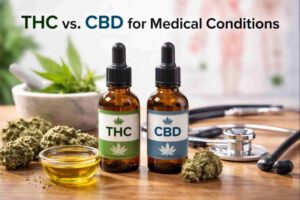
CBD and THC come from the same plant family, but their effects can be quite different.
THC is intoxicating. Depending on the person and dose, it may produce relaxation, altered perception, increased appetite, sleepiness, or euphoria. Too much can also cause anxiety, dizziness, impaired coordination, or an uncomfortable experience.
CBD is generally non-intoxicating. Patients often choose CBD when they want to explore the potential therapeutic effects of cannabis while minimizing impairment.
The two aren’t necessarily competitors, though. Some medical cannabis products intentionally combine CBD and THC in different ratios. For certain patients, a balanced product may provide benefits that CBD or THC alone doesn’t offer.
What Types of CBD Products Are Available?

CBD comes in many forms. The best choice depends on why you’re using it and how long you want the effects to last.
Common options include:
- CBD oils and tinctures: Usually taken by mouth or under the tongue.
- Capsules and tablets: Convenient and provide consistent dosing.
- Edibles: Longer-lasting, but effects may take more time to appear.
- Topicals: Applied directly to the skin for localized use.
- CBD-rich medical cannabis products: May contain different ratios of CBD, THC, and other cannabinoids.
Don’t assume two products with “CBD” on the label are equivalent. The actual dose and other ingredients can vary considerably.
Is CBD Safe?
CBD is generally well tolerated, but natural doesn’t mean risk-free.
Possible CBD side effects include:
- Sleepiness or fatigue
- Diarrhea or stomach upset
- Changes in appetite
- Dizziness
- Dry mouth
CBD can also interact with prescription medications because the liver processes many drugs using the same enzyme systems involved in CBD metabolism.
This can be especially important for people taking blood thinners, seizure medicines, sedatives, and certain heart or psychiatric medications. If you take prescription drugs, talk with a qualified healthcare professional before using high-dose CBD.
Is Hemp CBD the Same as Medical Cannabis CBD?
The CBD molecule itself is the same, whether it comes from hemp or another cannabis plant. The products, however, may be very different.
Over-the-counter hemp CBD products can vary in concentration, purity, and THC content. Product quality depends heavily on manufacturing and testing.
Medical cannabis programs offer another path. Patients can discuss CBD, THC, product ratios, dosing, and possible medication interactions with a knowledgeable healthcare professional and purchase products through regulated medical cannabis channels where available.
How Much CBD Should You Take?

There isn’t one correct CBD dose for everyone.
Your ideal amount can depend on your symptoms, body chemistry, medications, product type, and whether THC is also present. More isn’t always better.
For patients new to cannabis, a “start low and go slow” approach is usually sensible. Begin conservatively, observe how you respond, and make gradual adjustments rather than taking a large amount immediately.
The Bottom Line on CBD
CBD is much more than a wellness trend. It’s an active cannabis compound with genuine medical effects, an FDA-approved prescription application, and a growing body of research behind it.
At the same time, CBD isn’t a miracle treatment. Some potential benefits are supported by better evidence than others, and product quality matters.
For patients interested in medical cannabis, CBD may provide a useful option on its own or in combination with THC. The goal isn’t simply to choose CBD or THC. It’s to find the right cannabinoid, dose, product, and balance for your individual needs with appropriate medical guidance.
Medical Disclaimer: This article is for educational purposes only and isn’t a substitute for professional medical advice, diagnosis, or treatment. CBD and other cannabis products may cause side effects and interact with medications. Talk with a qualified healthcare professional before starting or changing a cannabis-based treatment.

Dr. Marsh, is a board-certified anesthesiologist with over 37 years of healthcare experience. A graduate of Syracuse University, the New York College of Osteopathic Medicine, and Rutgers University Medical School, he has earned recognition from FindaTopDoc.com for clinical excellence. Dr. Marsh founded ReThink-Rx in 2021, where he now focuses on educating, supporting, and certifying patients for medical cannabis.