Polymyalgia rheumatica (PMR) is a painful inflammatory condition that primarily affects older adults. It can cause severe muscle aches, stiffness, fatigue, and reduced mobility, making everyday activities difficult. Many patients describe feeling as though they have suddenly aged decades overnight.
While corticosteroids remain the standard treatment for PMR, long-term steroid use can lead to significant side effects. As a result, many patients are exploring complementary therapies that may help improve comfort and quality of life. One option receiving growing attention is medical cannabis.
Although cannabis is not a cure for polymyalgia rheumatica, some patients report meaningful improvements in pain, sleep, stiffness, and overall well-being. In this article, we’ll explore what PMR is, how it affects the body, and the potential role medical cannabis may play in symptom management.
What Is Polymyalgia Rheumatica?
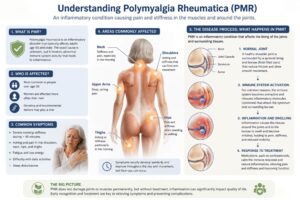
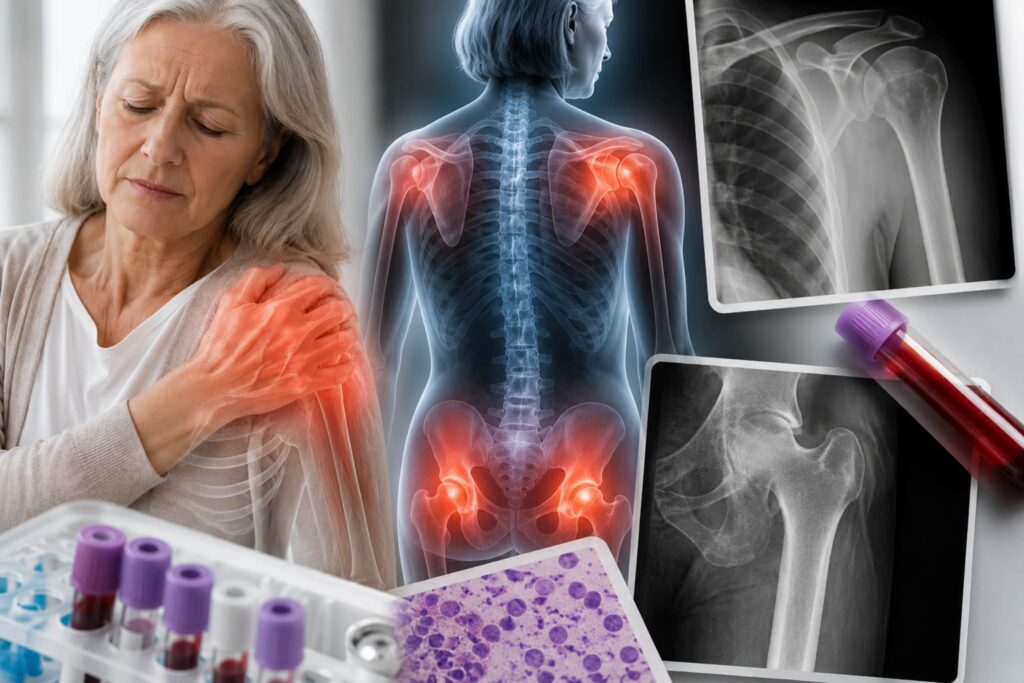
Polymyalgia rheumatica is an inflammatory disorder that typically affects adults over the age of 50. The condition causes widespread muscle pain and stiffness, especially in the:
- Shoulders
- Neck
- Upper arms
- Hips
- Thighs
Symptoms often develop rapidly, sometimes over just a few days. Many patients wake up one morning feeling profoundly stiff and sore without any obvious injury or explanation.
PMR is considered an autoimmune-related inflammatory condition, although the exact cause remains unclear. Researchers believe genetics, aging, and immune system dysfunction may all contribute to its development.
Women are affected more frequently than men, and the condition is most common in people over age 65.
Common Symptoms of Polymyalgia Rheumatica

The symptoms of PMR can vary in severity but often include:
Severe Morning Stiffness
A hallmark sign of PMR is stiffness that is worst upon waking. Patients may struggle to:
- Get out of bed
- Raise their arms
- Put on clothing
- Climb stairs
This stiffness often improves somewhat as the day progresses.
Muscle Pain and Aching
Despite the name “polymyalgia,” the pain is not actually caused by muscle injury. Instead, inflammation around the joints and connective tissues causes widespread aching.
Fatigue
Chronic inflammation can leave patients feeling exhausted and drained, even after a full night’s sleep.
Reduced Mobility
Simple activities such as reaching overhead, getting out of a chair, or walking long distances may become difficult.
Sleep Disturbances
Pain and stiffness frequently interfere with restful sleep, creating a cycle that worsens fatigue and discomfort.
How Is PMR Typically Treated?
The primary treatment for polymyalgia rheumatica is corticosteroid medication, usually prednisone.
Most patients improve dramatically within days of starting treatment. Unfortunately, steroids often need to be continued for months or years.
Long-term steroid use can cause complications such as:
- Weight gain
- High blood pressure
- Diabetes
- Osteoporosis
- Cataracts
- Increased infection risk
- Mood changes
Because of these concerns, many patients seek additional ways to manage symptoms while minimizing their reliance on steroids whenever possible.
Understanding the Endocannabinoid System
To understand how cannabis may help PMR symptoms, it is useful to understand the body’s endocannabinoid system (ECS).
The ECS is a widespread biological network involved in regulating:
- Pain perception
- Inflammation
- Sleep
- Mood
- Immune function
- Appetite
The system contains cannabinoid receptors located throughout the brain, nervous system, immune system, and connective tissues.
Compounds found in cannabis, including THC and CBD, interact with these receptors and may influence several symptoms commonly experienced by PMR patients.
Can Medical Cannabis Help with PMR Pain?
Chronic pain is one of the most common reasons patients seek medical cannabis.
Research suggests cannabinoids may alter how pain signals are processed within the nervous system. Rather than simply masking pain, cannabis may change how the brain interprets discomfort.
Patients with PMR often describe:
- Deep aching pain
- Joint-related discomfort
- Muscle soreness
- Pain that disrupts sleep
Some patients report that medical cannabis helps reduce the intensity of these symptoms and makes daily activities more manageable.
While studies specifically examining cannabis for PMR remain limited, substantial evidence supports the use of cannabinoids for various forms of chronic pain and inflammatory conditions.
Medical Cannabis and Inflammation
Inflammation plays a central role in polymyalgia rheumatica.
Laboratory and animal studies have demonstrated that cannabinoids may influence inflammatory pathways throughout the immune system. Researchers continue investigating how cannabis compounds affect cytokines, immune cell activity, and inflammatory signaling.
CBD, in particular, has attracted attention for its potential anti-inflammatory properties.
Although cannabis should not replace prescribed PMR treatments, some patients use it alongside conventional therapy as part of a comprehensive symptom management strategy.
Improving Sleep Quality
Poor sleep is extremely common among PMR patients.
Pain, stiffness, and discomfort can make it difficult to fall asleep or stay asleep throughout the night.
Unfortunately, inadequate sleep often leads to:
- Increased pain sensitivity
- More fatigue
- Poor concentration
- Reduced quality of life
Many medical cannabis patients report improved sleep quality. Certain cannabis formulations may help:
- Promote relaxation
- Reduce nighttime discomfort
- Improve sleep continuity
- Decrease nighttime awakenings
For PMR patients struggling with chronic sleep disruption, this may represent one of the most valuable potential benefits.
Addressing Fatigue and Quality of Life
The impact of PMR extends far beyond physical pain.
Many patients experience frustration, anxiety, and reduced independence as symptoms interfere with daily activities.
Persistent inflammation, poor sleep, and chronic discomfort can significantly diminish overall quality of life.
Some patients report that medical cannabis helps them feel more comfortable engaging in activities such as:
- Walking
- Gardening
- Exercising
- Traveling
- Spending time with family
While symptom improvement varies from person to person, enhanced comfort and function are common goals among medical cannabis patients.
THC vs. CBD for Polymyalgia Rheumatica
Medical cannabis products often contain varying amounts of THC and CBD.
THC
THC is the primary psychoactive component of cannabis.
Potential benefits include:
- Pain relief
- Muscle relaxation
- Improved sleep
- Appetite stimulation
Possible side effects may include:
- Drowsiness
- Dizziness
- Impaired coordination
- Temporary cognitive effects
CBD
CBD does not produce intoxication.
Potential benefits include:
- Anti-inflammatory effects
- Anxiety reduction
- Improved comfort
- Better tolerability
Many patients prefer products that combine both THC and CBD because the compounds may work together synergistically, a phenomenon often called the “entourage effect.”
The ideal balance varies from patient to patient and may require some experimentation under professional guidance.
Are There Risks?
Like any therapy, medical cannabis is not appropriate for everyone.
Potential side effects can include:
- Dizziness
- Dry mouth
- Sedation
- Changes in concentration
- Increased heart rate
Older adults may be particularly sensitive to these effects, making careful dosing especially important.
Patients should also discuss cannabis use with their healthcare provider if they take medications for:
- Blood pressure
- Diabetes
- Sleep disorders
- Anxiety
- Depression
- Blood thinning
Starting with low doses and increasing gradually is often the safest approach.
The Importance of Professional Guidance

Medical cannabis is not a one-size-fits-all treatment.
Different products, cannabinoid ratios, and dosing strategies can produce very different results.
A qualified medical cannabis provider can help patients:
- Understand available products
- Select appropriate formulations
- Minimize side effects
- Develop a personalized treatment plan
- Monitor progress over time
This guidance is particularly valuable for older adults who may have multiple medical conditions or be taking multiple medications.
Is Medical Cannabis Right for PMR?
Polymyalgia rheumatica can significantly impact comfort, mobility, sleep, and overall quality of life. While corticosteroids remain the cornerstone of treatment, many patients seek additional options to help manage ongoing symptoms.

Medical cannabis is not a cure for PMR, and research specific to this condition remains limited. However, growing evidence suggests cannabinoids may help address several symptoms commonly associated with inflammatory disorders, including pain, sleep disruption, and reduced quality of life.
For patients who continue to struggle despite conventional therapy, medical cannabis may be worth discussing with a qualified healthcare provider.
At ReThink-Rx, our experienced medical cannabis providers help Virginia patients determine whether cannabis may be an appropriate addition to their symptom management plan. Through convenient telehealth appointments, we provide individualized guidance designed to help patients make informed decisions about their care.
If you are living with polymyalgia rheumatica and wondering whether medical cannabis may help, our team is here to answer your questions and support your journey toward improved comfort and quality of life.
Disclaimer: This article is for educational purposes only and is not a substitute for professional medical advice, diagnosis, or treatment. Always consult a qualified healthcare provider with any questions about your health or medical conditions.

Dr. Marsh, is a board-certified anesthesiologist with over 37 years of healthcare experience. A graduate of Syracuse University, the New York College of Osteopathic Medicine, and Rutgers University Medical School, he has earned recognition from FindaTopDoc.com for clinical excellence. Dr. Marsh founded ReThink-Rx in 2021, where he now focuses on educating, supporting, and certifying patients for medical cannabis.