Musculoskeletal pain is one of the most common reasons patients seek medical care. Whether it comes from arthritis, back strain, sports injuries, fibromyalgia, or simply years of wear and tear, this type of pain can be stubborn and disruptive. It limits mobility, interferes with sleep, and often makes everyday activities more difficult than they should be.
For many people, traditional treatments like NSAIDs, muscle relaxants, and physical therapy work well. But for others, relief is incomplete, temporary, or comes with unwanted side effects. This is where medical marijuana has emerged as a safer, more natural tool—one that can be tailored to each patient’s symptoms and lifestyle.
As a medical cannabis physician, I’ve seen firsthand how the right combination of cannabinoids can improve comfort, mobility, and overall quality of life. In this article, we’ll explore how cannabis works for musculoskeletal pain, what the research shows, the best ways to use it, and what new patients can expect when starting therapy.
Understanding Musculoskeletal Pain
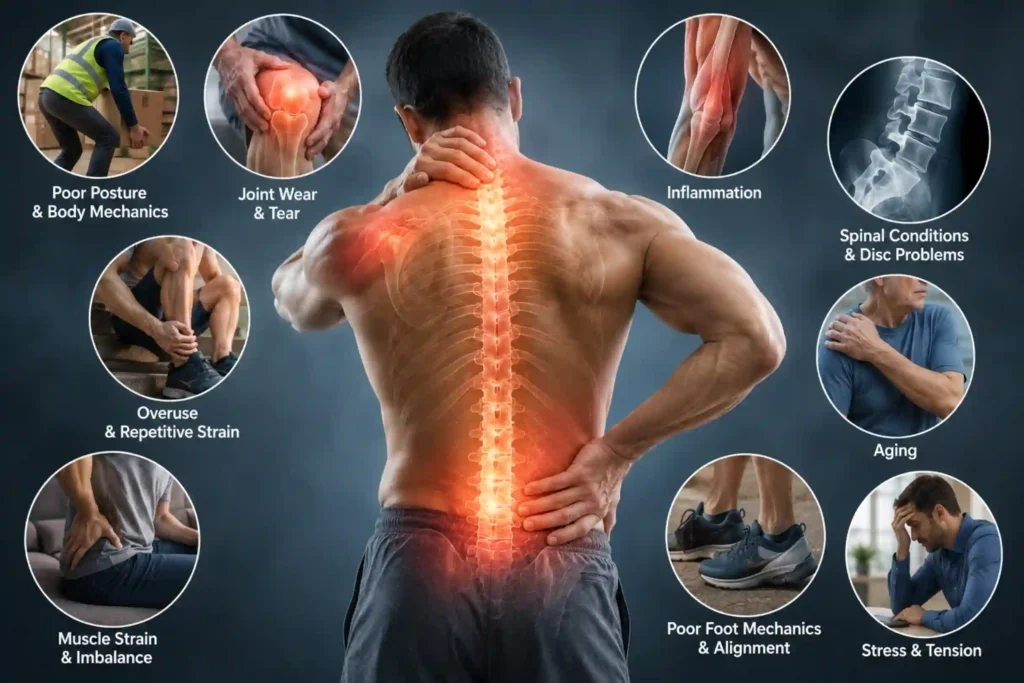
Musculoskeletal pain includes any discomfort affecting the muscles, bones, tendons, ligaments, joints, or connective tissues. Some of the most common causes include:
-
Arthritis and degenerative joint disease
-
Chronic low back or neck pain
-
Muscle tension and spasms
-
Tendonitis and bursitis
-
Sports or work-related injuries
-
Fibromyalgia
-
Post-surgical pain
-
Myofascial pain syndrome
-
Post-traumatic pain
- Hypermobility syndromes
While the reasons vary, the underlying issues often involve inflammation, nerve irritation, and muscle tightness—three things cannabis is particularly good at managing.
How Medical Marijuana Helps Musculoskeletal Pain
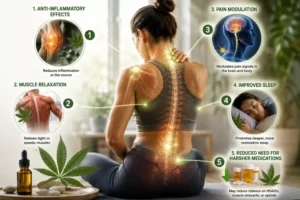
Cannabis contains dozens of active compounds called cannabinoids, with THC and CBD being the most important for pain management. These cannabinoids interact with the endocannabinoid system (ECS), a natural regulatory network that helps control pain perception, inflammation, muscle tone, sleep, mood, and immune activity.
Here are the key ways cannabis provides relief:
1. Anti-inflammatory Effects
Many musculoskeletal problems are driven by inflammation around joints, tendons, or nerves. THC and CBD both reduce inflammatory signaling, calming irritated tissues and lowering pain at its source.
This can be especially helpful for arthritis, tendonitis, and chronic overuse injuries.
2. Muscle Relaxation
THC has strong antispasmodic properties, helping relax tight or spastic muscles. Patients with back spasms, neck tension, or fibromyalgia often notice a significant difference in their ability to move comfortably.
3. Pain Modulation
Cannabis affects both peripheral nerves and pain pathways in the brain. It helps “turn down the volume” on pain signals, making discomfort more manageable and less intrusive.
4. Improved Sleep
Pain and insomnia often go hand in hand. Cannabis—especially THC-containing products—can help patients fall asleep faster and stay asleep longer. Better rest alone can improve daytime pain and mobility.
5. Reduced Need for Harsher Medications
Many patients are able to decrease their use of NSAIDs, muscle relaxants, or even opioids once they begin a stable cannabis regimen. For individuals who experience side effects or risks with those medications, this can be a major benefit.
What the Research Shows
Research on cannabis for musculoskeletal pain continues to grow, and the results are encouraging.
Studies demonstrate that:
-
Cannabis is effective for neuropathic pain, which often accompanies chronic back and neck conditions.
-
THC and CBD together provide stronger relief than either one alone due to the entourage effect.
-
Topical cannabis products can reduce local inflammation and muscle tenderness without causing intoxication.
-
Patients with arthritis frequently report improved joint function, reduced swelling, and better sleep.
-
Cannabis can be more tolerable than opioids and may reduce overall opioid consumption.
While more long-term data is still needed—largely due to years of legal restrictions—the evidence so far strongly supports cannabis as a valuable option for musculoskeletal pain.
Choosing the Right Cannabis Products
Different types of musculoskeletal pain respond best to different formulations. Here’s how patients typically tailor their treatment:
1. Inhaled Cannabis (Smoked or Vaped)
-
Fast relief within minutes
-
Useful for sudden flare-ups, spasms, or nighttime discomfort
-
Shorter duration (2–4 hours)
This is a good “rescue” option for unpredictable pain episodes.
2. Oral Products (Tinctures, Oils, Capsules, Edibles)
-
Slower onset (30–90 minutes)
-
Longer duration (6–8 hours)
-
Excellent for steady, daily pain control
Patients can fine-tune THC and CBD ratios to achieve optimal relief.
3. Topicals (Creams, Balms, Patches)
-
Applied directly to painful joints or muscles
-
No intoxication
-
Ideal for arthritis, tendonitis, and muscle soreness
Many patients combine topicals with oral cannabis for more complete coverage.
4. THC/CBD Ratios
-
Balanced (1:1) is often best for moderate musculoskeletal pain
-
High-CBD is great for daytime use or inflammatory conditions without intoxication
-
Higher-THC may help with severe pain, spasms, or insomnia
During your telehealth evaluation, the physician will guide you toward the most appropriate formulas for your condition.
Integrating Cannabis With Other Therapies
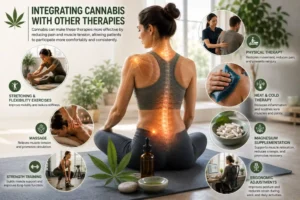
Medical marijuana works even better when paired with non-drug therapies that support musculoskeletal healing.
These include:
-
Stretching and flexibility exercises
-
Physical therapy
-
Heat and cold therapy
-
Massage
-
Magnesium supplementation for muscle relaxation
-
Strength training for long-term support
-
Ergonomic adjustments for work and daily activities
Cannabis can make these therapies more effective by reducing pain and muscle tension, allowing patients to participate more comfortably and consistently.
Safety Considerations
When used correctly, medical marijuana is generally safe and well-tolerated. Still, patients should be aware of a few important considerations:
-
Start with low doses and increase slowly to avoid unwanted intoxication.
-
Avoid driving or operating machinery when using THC.
-
Choose inhaled products carefully if you have lung conditions; vaporization is typically safer than smoking.
-
Keep all cannabis products stored safely away from children and pets.
-
Discuss any medication interactions with your medical cannabis physician.
Most importantly, your care should be guided by an experienced clinician who understands both the benefits and limits of cannabis therapy.
Getting Started With Medical Marijuana Through ReThink-Rx
At ReThink-Rx, we help patients navigate musculoskeletal pain with safe, compassionate, and evidence-based cannabis therapy. During your telehealth evaluation, we:
-
Review your symptoms and medical history
-
Assess how musculoskeletal pain affects your daily life
-
Discuss the most effective THC and CBD options for your situation
-
Provide a customized dosing plan
-
Answer questions about safety, product selection, and follow-up care
Our goal is to help you move more comfortably, sleep better, and regain control of your day-to-day activities—without relying on medications that may cause unwanted side effects.
Still need to get certified for medical cannabis? Simply click HERE to request an appointment with a cannabis specialist at ReThink-Rx.
Final Thoughts
Musculoskeletal pain can be exhausting, frustrating, and overwhelming. But with the right combination of therapies—including medical marijuana—many patients find real and lasting relief. Cannabis works naturally with the body’s own systems to reduce inflammation, relax muscles, and ease pain without the risks associated with stronger pharmaceuticals.
If you’re struggling with persistent musculoskeletal discomfort, medical cannabis may offer the comfort and improved mobility you’ve been hoping for. And with a certified telehealth evaluation through ReThink-Rx, beginning treatment has never been easier.
Disclaimer: This article is for educational purposes only and is not a substitute for professional medical advice, diagnosis, or treatment. Always consult a qualified healthcare provider with any questions about your health or medical conditions.

Dr. Marsh, is a board-certified anesthesiologist with over 37 years of healthcare experience. A graduate of Syracuse University, the New York College of Osteopathic Medicine, and Rutgers University Medical School, he has earned recognition from FindaTopDoc.com for clinical excellence. Dr. Marsh founded ReThink-Rx in 2021, where he now focuses on educating, supporting, and certifying patients for medical cannabis.