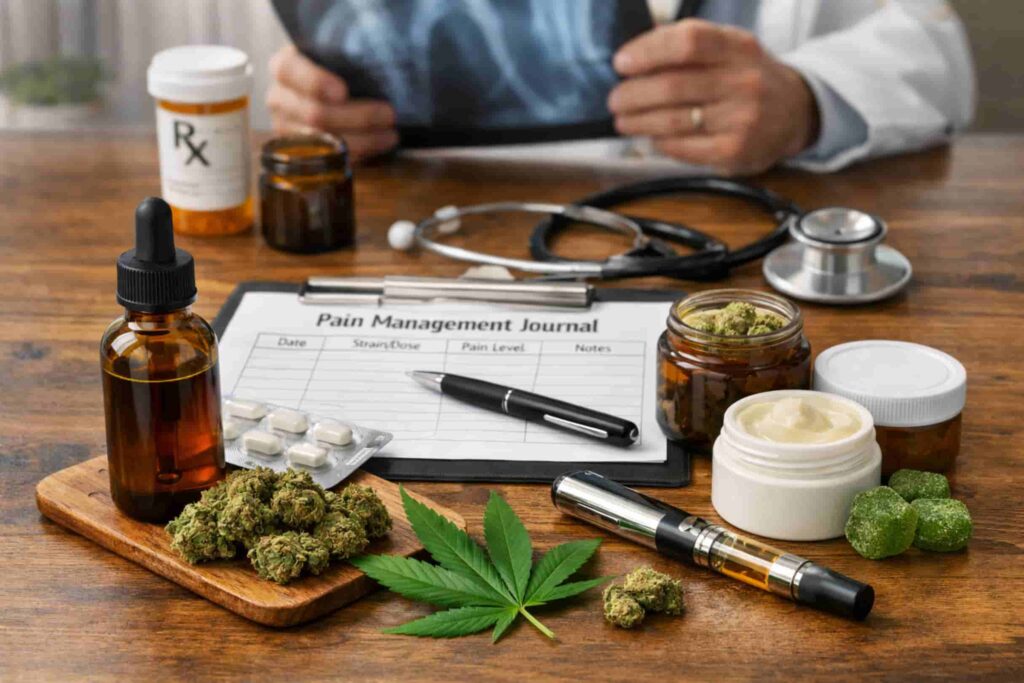
Living with chronic pain can wear you down physically and emotionally. Many patients come to cannabis after trying a long list of medications, procedures, and lifestyle changes with only partial relief. Medical marijuana isn’t a magic cure, but for many people, it becomes a safe and effective part of a thoughtful, balanced pain-management plan.
As a medical cannabis physician, I’ve seen how the right approach can improve comfort, mobility, sleep, and quality of life. The key is to incorporate cannabis intentionally—starting slowly, choosing products carefully, tracking your results, and staying connected with your medical team. In this guide, we’ll walk through the most helpful tips for using medical marijuana as part of a pain-management regimen that truly supports your health and well-being.
1. Start Low and Go Slow
One of the biggest mistakes new patients make is using too much cannabis too soon. With pain, more is not always better.
Cannabis works differently for everyone because of individual tolerance, metabolism, and endocannabinoid system function. Starting with very small doses allows you to notice how your body responds without overwhelming side effects like dizziness, anxiety, or excessive sedation.
A good starting approach may include:
- THC: 1–2 mg per dose
- CBD: 10–25 mg per dose
-
Balanced products: 1:1 CBD-to-THC ratios are often best for daytime pain
Increase your dose every 2–3 days as needed, not every few hours. The goal is to find the lowest effective dose, which often provides the best long-term relief.
2. Understand the Types of Pain Cannabis Helps Most
Medical marijuana supports pain relief in several ways—by reducing inflammation, calming nerve irritation, relaxing muscles, and improving sleep. Not all pain is the same, and understanding which symptoms respond best can help you choose the right product.
Cannabis is often most helpful for:
- Neuropathic pain (burning, tingling, shooting)
- Muscle spasms
- Fibromyalgia
- Migraine and tension headaches
- Arthritis inflammation
- Chronic back and neck pain
- Post-surgical or injury-related pain
-
Pain associated with cancer or chemotherapy
If your pain is primarily mechanical—like a structural spine problem—cannabis may help with muscle tightness and inflammation, but pairing it with physical therapy or exercise is usually more effective.
3. Choose the Right Product for the Right Type of Pain
The form of cannabis you choose can dramatically shape your experience. You don’t have to smoke cannabis to get relief. In fact, most medical users today prefer other, more controlled options. But each method offers certain advantages, depending on your priorities.
For Fast Relief:
- Inhaled cannabis (vape pens, vaped or smoked flower) offers relief within minutes.
-
Great for breakthrough pain, spasms, headaches, and sudden flare-ups.
For Longer-Lasting Relief:
- Tinctures last 4–6 hours and allow precise dosing.
-
Capsules or edibles last 6–8 hours or more and are helpful for sleep or all-day back pain.
For Local Pain:
- Topicals (creams, balms, and patches) don’t cause a “high.”
-
Particularly useful for arthritis, muscle knots, joint pain, and post-exercise soreness.
For All-Day Stability:
- Balanced CBD/THC formulations help reduce inflammation without heavy intoxication.
-
Many chronic pain patients use these as their baseline therapy.
Finding the right mix often takes a little trial and error, but patients usually settle on a daytime formula and a different nighttime option.
4. Incorporate CBD for a More Balanced Effect
Many patients think THC is the “active” part of cannabis for pain, but CBD plays a major role too. Used together, they often work better than either one alone—a synergy known as the entourage effect.
Why CBD is helpful:
- Reduces inflammation
- Helps modulate nerve signaling
- Smooths out THC’s psychoactive effects
-
Supports relaxation without sedation
If THC makes you too sleepy or anxious, increasing CBD usually restores comfort and balance.
Most chronic pain patients do well with ratios like 1:1, 2:1, or 4:1 CBD:THC, especially during the day.
5. Use Cannabis as Part of a Broader Pain Plan
Medical marijuana works best when combined with other supportive therapies. Cannabis can reduce pain enough to help you participate in activities that ultimately improve long-term outcomes.
Some of the most helpful complementary therapies include:
- Physical therapy and stretching
- Aerobic exercise and gentle strength training
- Massage therapy
- Yoga or tai chi
- Heat and cold therapy
- Stress-reduction practices like meditation or deep breathing
-
Sleep hygiene routines
When used alongside these strategies, cannabis can help reduce reliance on harsh pain medications and increase overall function.
6. Keep a Pain and Cannabis Journal
This is one of the most powerful tools for optimizing treatment.
A simple daily log can help you track:
- What product you used
- Dose and timing
- Pain level before and after
- Sleep quality
- Side effects
-
Activities or triggers that worsened pain
After two to four weeks, patterns usually become clear. You’ll know what works, what doesn’t, and what needs adjusting. Many patients discover they need much less cannabis than they initially assumed—or that certain products work far better for their particular symptoms.
7. Prioritize Nighttime Relief for Better Sleep
Poor sleep worsens almost every chronic pain condition. The good news is that medical marijuana often improves sleep by relaxing muscles, calming the mind, and reducing nighttime discomfort.
Good nighttime options include:
- THC-dominant tinctures
- Edibles with a 1:1 ratio
- Products containing CBN
-
Low-heat vaporization to relax before bed
Improving sleep alone often reduces daytime pain by a surprising amount.
8. Stay Consistent with Dosing
Many new patients use cannabis only when pain becomes severe. While it can help in those moments, cannabis works better when used consistently, especially for inflammatory or nerve-related pain.
A common model is:
- Baseline regimen: tincture or capsule 1–2 times daily
- Breakthrough option: vape pen or inhaled flower as needed
-
Local relief: topical for targeted pain points
This predictable schedule helps maintain stable blood levels, reduce flare-ups, and prevent overuse.
9. Watch for Side Effects and Adjust Accordingly
Most patients tolerate medical marijuana extremely well, but mild side effects may occur—especially during the learning phase. Common symptoms include dry mouth, red eyes, lightheadedness, or mild fatigue.
You can reduce these by:
- Lowering your dose
- Choosing higher-CBD products
- Switching to tinctures instead of inhalation
- Using cannabis earlier in the evening
-
Staying hydrated
If you feel “too high,” CBD can help counteract excess THC. Taking 10–25 mg of CBD often smooths symptoms within 10–20 minutes.
10. Work with a Knowledgeable Medical Provider
Medical marijuana is most effective when guided by someone who understands its uses, limitations, and safety considerations. A specialized cannabis physician can help:
- Identify the best products for your condition
- Fine-tune dosing
- Avoid medication interactions
- Provide certification for legal protection
-
Support long-term treatment planning
Patients at ReThink-Rx often tell us they feel more confident and empowered when they have a clear plan rather than guessing on their own.
Final Thoughts
Incorporating medical marijuana into your pain-management regimen can be life-changing, especially when done thoughtfully and consistently. Start low, go slow, track your progress, and lean on your healthcare team for guidance. Cannabis isn’t just about relieving pain—it’s about regaining mobility, improving sleep, supporting mental health, and restoring quality of life.
For many patients, medical cannabis becomes a safe, natural, and effective part of a comprehensive approach that brings real, lasting improvement.
Disclaimer: This article is for educational purposes only and is not a substitute for professional medical advice, diagnosis, or treatment. Always consult a qualified healthcare provider with any questions about your health or medical conditions.

Dr. Marsh, is a board-certified anesthesiologist with over 37 years of healthcare experience. A graduate of Syracuse University, the New York College of Osteopathic Medicine, and Rutgers University Medical School, he has earned recognition from FindaTopDoc.com for clinical excellence. Dr. Marsh founded ReThink-Rx in 2021, where he now focuses on educating, supporting, and certifying patients for medical cannabis.