
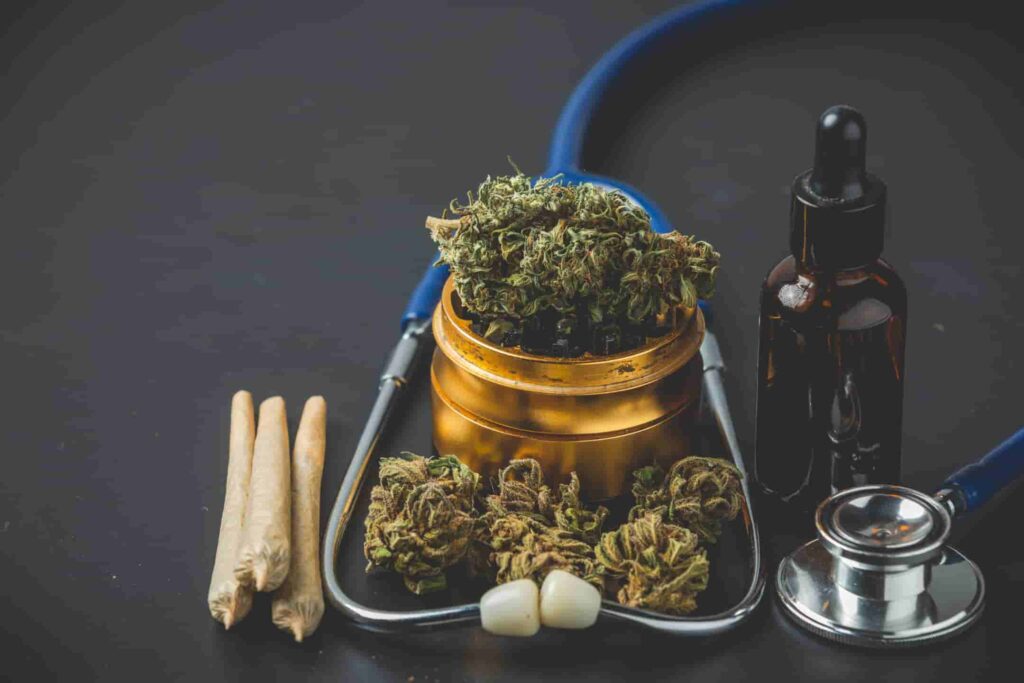
Medical cannabis can offer meaningful relief for many patients—helping with chronic pain, anxiety, sleep issues, neuropathy, inflammation, and more. However, like many medications used regularly, cannabis may become less effective over time for some patients. When this happens, patients often say their usual dose “just isn’t working like it used to.” This experience is known as tolerance.
Understanding what tolerance is, how to recognize it, and how to manage it can help you keep your therapy effective and safe. Whether you’re new to medical cannabis or have been using it for years, this guide will help explain why tolerance happens and what you can do about it—including an interesting link between magnesium and improved cannabis response.
What Is Tolerance?
Tolerance occurs when the body becomes less responsive to a medication after repeated exposure. With cannabis, this is usually related to THC—the cannabinoid responsible for pain relief, relaxation, and the feeling of being “high.”
THC interacts with special receptors throughout the body, especially CB1 receptors in the brain and nervous system. Over time, frequent or high-dose THC use can cause these receptors to temporarily decrease in number or become less sensitive. When that happens, your usual amount of cannabis may no longer bring the same level of relief. You may notice:
✅ It takes more cannabis to get the same benefit
✅ Your symptoms break through sooner
✅ Your sleep becomes less restful
✅ You feel slightly “foggy” or off without realizing why
This is not harmful or permanent. In fact, the body can reset fairly quickly once THC exposure is reduced.
Signs You Might Be Developing Tolerance
Tolerance affects everyone differently, but patients commonly report:
✅ Needing Higher Doses More Often
If you’re gradually increasing how much cannabis you use, especially to control the same symptoms, tolerance may be building.
✅ Worse Sleep or Shorter Duration of Relief
THC often helps with sleep. When tolerance develops, falling asleep or staying asleep may become harder again.
✅ Products Stop Working the Way They Used To
A strain, edible, or vape that once worked well may suddenly feel weaker or inconsistent.
✅ Feeling Less of the “Body Effect”
THC’s muscle-relaxing, pain-relieving, or calming effects may feel dulled.
These changes usually happen slowly, which is why some patients don’t notice until they are using significantly more cannabis than before.
Why Does Tolerance Happen?
Tolerance isn’t a sign you’re doing anything wrong. It’s simply the body adapting. A few factors make tolerance more likely:
✅ Daily THC use
✅ High-potency products (strong vaporizers, concentrates, dabs)
✅ Frequent use throughout the day
✅ Edibles used in large doses
CBD—another important cannabinoid—does not build tolerance in the same way. In fact, CBD may help balance THC and reduce some tolerance-related issues.
How to Prevent or Manage Tolerance
The good news: tolerance is manageable and often reversible. Many patients can regain effectiveness with simple strategies—without needing to dramatically change their treatment plan.
Here are the most reliable methods:
✅ 1. Take a “Tolerance Break” (T-Break)
A short break from THC can reset the body’s receptors. For many patients, even 48–72 hours can make a noticeable difference. Longer breaks—one to two weeks—may produce a deeper reset, if medically appropriate.
How to make a T-break easier:
- Switch to CBD-only products during the break
- Use calming terpenes like linalool (lavender), myrcene, or beta-caryophyllene
-
Try relaxation techniques like warm soaks, stretching, gentle exercise, or magnesium supplements
Patients are often pleasantly surprised that a short break helps them return to smaller, more effective doses.
✅ 2. Lower Your Dose
For many, the body adjusts when THC doses slowly decrease rather than abruptly stop. You can reduce:
- The total milligrams of THC
- How often you dose
-
The strength of the product
Even reducing your dose by 25–50% for a week may restore sensitivity to THC. Learn more about dosing HERE.
✅ 3. Rotate Your Products
Different forms of cannabis are metabolized differently and stimulate the receptors in different ways. Switching delivery methods can help reduce tolerance buildup. For example:
| If you normally use… | Try this instead… |
|---|---|
| Vaping | Edibles, tinctures, or capsules |
| Edibles | Dry herb vaporizer or tincture |
| High-THC flower | Balanced THC:CBD flower |
Patients also often find that switching strains—especially ones with different terpene profiles—helps improve effectiveness.
✅ 4. Add CBD to Balance THC
CBD can reduce some of THC’s side effects and may improve therapeutic effects when used together. It may also help prevent tolerance from building.
Try:
- Balanced strains (1:1 THC to CBD)
- CBD-rich tinctures
-
Full-spectrum oils
Some patients find that adding 10–50 mg of CBD daily helps lower their THC needs.
✅ 5. Use Cannabis for Specific Purposes, Not Constantly
When THC is used frequently throughout the day, the body becomes desensitized faster. If possible, reserve the use of cannabis for when symptoms are worst, not automatically on schedule. Many patients only need:
- At bedtime
- Before exercise or stretching
- During pain flare-ups
-
For anxiety spikes instead of all-day use
Purposeful use preserves long-term effectiveness.
Magnesium: A Surprising Tool for Better Cannabis Response
One of the most interesting and promising helpers in managing tolerance is a simple, widely available substance: magnesium.
Why magnesium matters
Magnesium plays a role in muscle relaxation, nerve signaling, sleep, and mood. But some research also suggests it may interact with the endocannabinoid system, the same system used by cannabis. Magnesium appears to:
✅ Support CB1 receptor function
✅ Help reduce muscle tension and anxiety
✅ Improve sleep quality
✅ Reduce inflammation and nerve pain
✅ Balance the nervous system
When patients are magnesium-deficient—and many adults are—cannabis may feel less effective for pain or relaxation.
How magnesium can boost effectiveness
Patients often report:
- Needing smaller cannabis doses
- Feeling smoother, longer-lasting relief
- Getting better sleep with less nighttime THC
- Improved muscle relaxation
-
Less anxiety or irritability
In other words, magnesium doesn’t replace cannabis—but it may help your body use cannabis more efficiently, reducing tolerance over time.
How to take magnesium
Common forms include:
- Magnesium glycinate – best for relaxation and sleep
- Magnesium citrate – gentle digestive effect
- Magnesium malate – often used for pain and muscle tension
-
Magnesium L-threonate – may support brain and nerve function
Most patients tolerate 200–400 mg per day, often taken at night. However, patients should always check with their medical provider before starting supplements, especially if they have kidney disease or take heart medications. Learn more about magnesium and cannabis HERE.
Lifestyle Strategies That Help Lower Tolerance
Because cannabis works with the body’s own endocannabinoid system, anything that strengthens that system may reduce the need for THC. Helpful habits include:
✅ Daily light exercise – boosts natural cannabinoids
✅ Healthy fats (olive oil, avocado, nuts) – improve cannabinoid absorption
✅ Good sleep habits
✅ Adequate hydration
✅ Stress-reduction techniques like deep breathing or meditation
Even small improvements in wellness can make cannabis therapy more effective.
What NOT to Do
Some patients try to overcome tolerance by simply taking higher and higher doses. This can cause:
⚠️ Increased side effects (sleepiness, dizziness, anxiety, irritability)
⚠️ Higher cost with less benefit
⚠️ Less control over symptoms long-term
If you notice cannabis becoming less effective, don’t just add more THC. A thoughtful approach works far better.
When to Talk With Your Provider
You should speak with your cannabis-certified medical provider if:
- You’re increasing doses regularly
- Your symptoms are returning despite use
- You’re unsure how to adjust your regimen safely
- You want guidance on tolerance breaks or CBD
-
You’re considering supplements like magnesium
Your provider can help adjust your dosing, strain selection, or consumption method to get you back on track.
Final Thoughts
Tolerance to medical cannabis is normal and manageable. Most patients who notice a decline in effects can restore sensitivity and effectiveness with simple changes—such as lowering their dose, rotating products, taking a brief tolerance break, or adding CBD.
Magnesium may be another helpful tool, especially for patients using cannabis for pain, anxiety, or sleep. By supporting the body’s natural systems, magnesium can make THC work more efficiently, reduce the need for higher doses, and help prevent tolerance from increasing too quickly.
With the right strategy, patients can continue to benefit from cannabis safely, comfortably, and effectively—often with smaller doses and better relief.
Disclaimer: This article is for educational purposes only and is not a substitute for professional medical advice, diagnosis, or treatment. Always consult a qualified healthcare provider with any questions about your health or medical conditions.

Dr. Nicholas Marsh, DO is a board-certified anesthesiologist with over 37 years of healthcare experience. A graduate of the New York College of Osteopathic Medicine, he has served as an attending anesthesiologist at Inova Loudoun Hospital Center since 1992 and previously served as chairman and medical director of Anesthesia Services at a major Virginia medical center. Recognized by FindaTopDoc.com for clinical excellence, Dr. Marsh founded ReThink-Rx in 2021, where he focuses on educating, supporting, and certifying patients for medical cannabis.