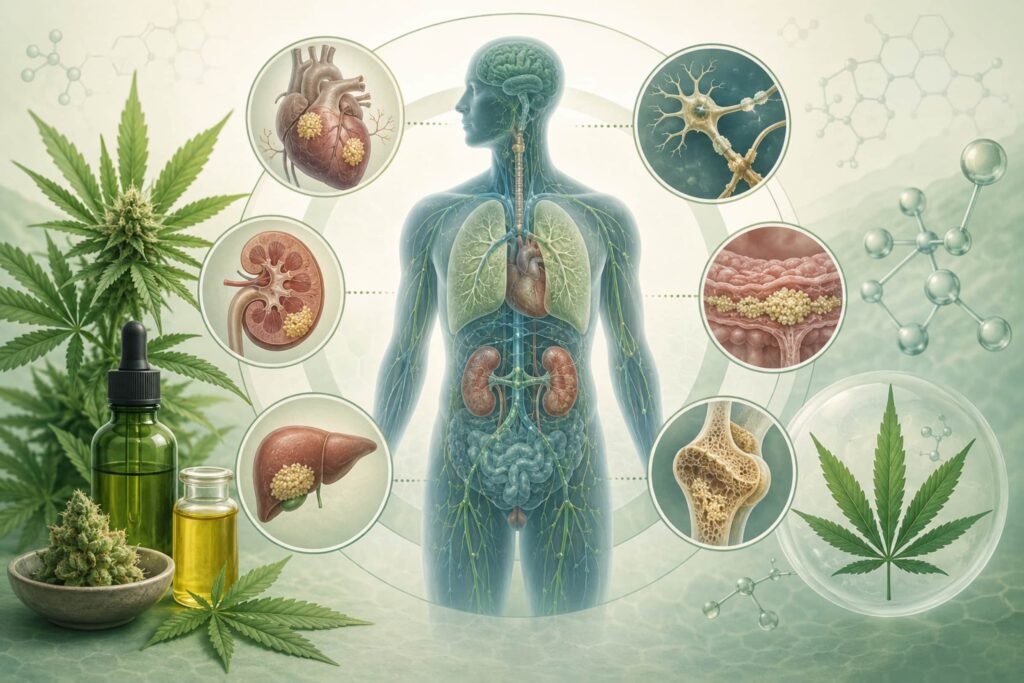
Amyloidosis is a rare condition characterized by the accumulation of abnormal protein deposits, called amyloid, in tissues and organs. These deposits can disrupt normal function, leading to a wide range of symptoms depending on the organs affected. Common manifestations include fatigue, swelling, neuropathy, heart problems, kidney issues, and digestive disturbances.
Traditional treatments for amyloidosis focus on managing organ damage, slowing the production of amyloid proteins, and relieving symptoms. However, many patients also experience chronic pain, inflammation, and stress related to the disease. Increasingly, medical marijuana is being explored as a complementary therapy to support symptom relief, improve quality of life, and help manage chronic pain and neuropathy associated with amyloidosis.
At ReThink-Rx, we help patients navigate medical cannabis safely, tailoring therapies to individual needs and symptoms.
Understanding Amyloidosis
Amyloidosis occurs when misfolded proteins accumulate in organs such as the heart, kidneys, liver, nervous system, or gastrointestinal tract. Depending on the type of amyloidosis—AL (primary), AA (secondary), or hereditary forms—patients may experience different symptoms:
- Fatigue and weakness
- Swelling in legs, ankles, or abdomen due to organ involvement
- Peripheral neuropathy: tingling, numbness, or pain in hands and feet
- Heart complications: irregular heartbeat or heart failure
- Kidney dysfunction: protein in urine or decreased kidney function
-
Digestive issues: nausea, diarrhea, or loss of appetite

Because amyloidosis can cause chronic pain, nerve-related symptoms, and organ dysfunction, supportive therapies like medical cannabis are critical to improving comfort and quality of life.
How Medical Cannabis May Help Amyloidosis
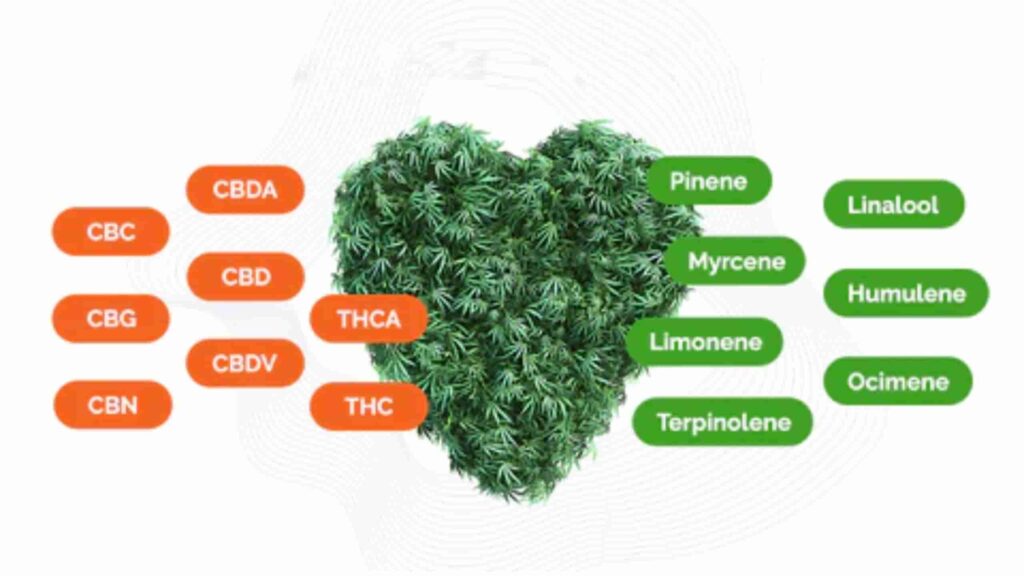
Medical marijuana contains cannabinoids, primarily THC (tetrahydrocannabinol) and CBD (cannabidiol), which interact with the endocannabinoid system (ECS). The ECS regulates pain, inflammation, immune responses, and organ function, making it particularly relevant to the management of amyloidosis symptoms.
- THC: Psychoactive, but can modulate pain perception, improve appetite, and support relaxation and sleep.
- CBD: Non-psychoactive and has anti-inflammatory, neuroprotective, and antioxidant properties. CBD may help alleviate neuropathic pain, reduce inflammation, and support overall well-being.
-
Other cannabinoids and terpenes: Present in full-spectrum products and may enhance symptom relief through synergistic effects.
By targeting pain, inflammation, and nerve signaling, medical cannabis may help reduce discomfort, improve sleep, and support coping with chronic illness.
Evidence Supporting Cannabis for Symptom Management
While research specific to amyloidosis is limited, studies on related conditions suggest several potential benefits:
- Pain Relief: THC and CBD have shown efficacy in reducing neuropathic and chronic pain, which is common in amyloidosis patients.
- Neuropathy Support: Cannabinoids may alleviate tingling, burning, and numbness associated with peripheral nerve involvement.
- Anti-Inflammatory Effects: CBD may help regulate inflammatory pathways, potentially reducing tissue stress and discomfort.
- Improved Sleep and Mood: Chronic illness often disrupts sleep and contributes to anxiety; medical cannabis may promote relaxation.
-
Appetite Stimulation: THC can help counteract nausea and poor appetite, supporting nutritional status in patients with gastrointestinal involvement.
Although more clinical studies are needed specifically for amyloidosis, the evidence from chronic pain and neuropathy research supports potential benefits for patients.
Medical Cannabis Products for Amyloidosis
Several product types may help manage amyloidosis symptoms:
1. Oral Products (Capsules, Edibles, Tinctures)
- Provide systemic relief for chronic pain, neuropathy, and sleep disturbances.
- Effects last longer than inhaled products
-
THC:CBD ratios can be adjusted to balance symptom relief and psychoactive effects
2. Sublingual Tinctures
- Absorbed under the tongue for faster systemic effects
-
Helpful for acute neuropathic pain or nausea
3. Topical Creams or Balms
- Applied to localized areas of pain or inflammation
-
CBD-dominant or balanced products can provide soothing relief without systemic psychoactive effects
4. Inhalation (Vaporization)
- Rapid relief of acute pain or anxiety
-
Safer than smoking, particularly for patients with respiratory or cardiovascular involvement
At ReThink-Rx, we assist patients in selecting the most appropriate delivery methods based on symptom patterns, lifestyle, and tolerance.
Potential Benefits of Medical Cannabis for Amyloidosis
Medical cannabis may offer several advantages for amyloidosis patients:
- Pain and Neuropathy Relief: THC and CBD can reduce chronic nerve pain, tingling, and discomfort.
- Reduced Inflammation: Cannabinoids may help regulate inflammatory responses in affected tissues.
- Sleep Support: Relief from pain and discomfort can improve sleep quality, aiding overall health.
- Appetite and Digestive Support: THC may improve appetite and alleviate nausea, thereby supporting nutrition.
-
Stress and Anxiety Reduction: Cannabis may enhance mood and provide a sense of calm during a challenging illness.

These benefits complement conventional therapies, including medications, organ-supportive care, and physical therapy.
Safety Considerations
Medical cannabis is generally safe when used under medical supervision, but patients should consider potential side effects:
- Drowsiness or fatigue
- Dry mouth
- Mild psychoactive effects from THC (altered cognition or mood changes)
- Dizziness or lightheadedness
-
Interactions with medications commonly used in amyloidosis, such as anticoagulants, immunosuppressants, or chemotherapy agents
Patients should consult a certified medical cannabis physician to ensure safe, effective, and personalized therapy.
Tailoring Cannabis Therapy for Amyloidosis
Effective therapy requires a personalized approach:
- THC-to-CBD ratio: CBD-dominant or balanced products are often preferred for nerve pain and inflammation.
- Dosage and timing: Adjusted based on symptom severity, appetite, and sleep needs.
- Delivery method: Oral or sublingual for systemic relief; topicals for localized pain.
-
Integration with conventional care: Cannabis should complement—not replace—medications and therapies prescribed by the treating physician.
A tailored plan ensures symptom relief while minimizing side effects and drug interactions.
Legal Considerations in Virginia
Virginia residents with qualifying medical conditions can access medical cannabis under physician supervision. Amyloidosis may be eligible if it results in chronic pain, neuropathy, or organ dysfunction that impairs daily life. Requirements include:
- Residency in Virginia
- Documentation of a qualifying medical condition
-
Evaluation by a certified medical cannabis physician
Approved patients can obtain medical cannabis at state-licensed dispensaries. Providers like ReThink-Rx ensure safe dosing, legal compliance, and ongoing monitoring.
Complementary Strategies for Managing Amyloidosis
Medical cannabis is most effective when combined with other management strategies:
- Medications to slow amyloid buildup: Essential for disease progression
- Organ-supportive therapies: Dialysis, cardiac care, or liver support as needed
- Physical therapy and gentle exercise: Maintains strength, flexibility, and mobility
- Nutritional support: Optimizes health and supports recovery
-
Stress management techniques: Meditation, relaxation exercises, and counseling
Integrating cannabis therapy with these strategies enhances comfort, supports overall health, and improves quality of life.
Final Thoughts
Amyloidosis can be a complex and challenging condition, but medical cannabis offers a promising complementary approach for managing pain, neuropathy, inflammation, and associated symptoms. By leveraging the anti-inflammatory, analgesic, and neuroprotective properties of THC and CBD, patients may experience improved comfort, sleep, appetite, and emotional well-being.
At ReThink-Rx, we provide guidance on safe, personalized medical cannabis therapy for amyloidosis patients, ensuring it complements conventional care and supports optimal quality of life. Consulting a certified physician is the first step toward responsibly integrating cannabis into a comprehensive symptom management plan.
Disclaimer: This article is for educational purposes only and is not a substitute for professional medical advice, diagnosis, or treatment. Always consult a qualified healthcare provider with any questions about your health or medical conditions.

Dr. Nicholas Marsh is board-certified by the American Board of Anesthesiologists and has over 37 years of healthcare experience. Recognized by FindaTopDoc.com for clinical excellence, he now focuses on educating, supporting, and certifying patients for medical cannabis.