

Living with a hypermobility disorder can be exhausting. For many patients, chronic joint pain, frequent injuries, muscle tension, fatigue, poor sleep, and anxiety become part of everyday life. While some people are simply “double-jointed” without significant symptoms, others experience debilitating conditions such as Ehlers-Danlos syndrome (EDS) or Hypermobility Spectrum Disorder (HSD) that can affect nearly every aspect of their health.
As awareness of hypermobility disorders grows, many patients are searching for new ways to manage symptoms when conventional treatments fall short. One option attracting increasing attention is medical cannabis. Although research is still evolving, recent studies suggest that cannabis may help reduce pain, improve sleep, decrease anxiety, and even reduce reliance on opioid medications.
Let’s take a closer look at hypermobility disorders, why they can be so challenging to treat, and what current evidence suggests about the potential role of medical cannabis.
Understanding Hypermobility Disorders
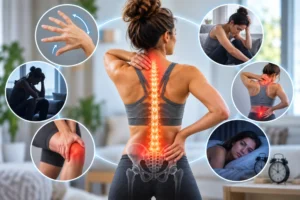
Joint hypermobility occurs when joints move beyond the normal range of motion. Some people experience hypermobility without symptoms, but others develop significant health problems.
The two most commonly discussed conditions are:
- Hypermobile Ehlers-Danlos Syndrome (hEDS)
- Hypermobility Spectrum Disorder (HSD)
These disorders affect the body’s connective tissues, which provide support and structure to joints, ligaments, skin, blood vessels, and other organs.
Common symptoms include:
- Chronic joint pain
- Frequent joint dislocations or subluxations
- Muscle aches and spasms
- Neck and back pain
- Fatigue
- Poor sleep quality
- Headaches and migraines
- Digestive issues
- Dizziness and autonomic dysfunction
- Anxiety and depression
Because symptoms often involve multiple body systems, patients may spend years seeking answers before receiving a diagnosis.
Why Chronic Pain Is So Common
Pain is one of the most frustrating aspects of hypermobility disorders.
Unlike arthritis, where joint damage is often visible on imaging studies, pain in hypermobility disorders may result from several overlapping mechanisms:
Joint Instability
Loose ligaments allow joints to move excessively, placing abnormal stress on muscles and connective tissues.
Repeated Microtrauma
Small injuries can occur repeatedly during normal daily activities, leading to persistent inflammation and discomfort.
Muscle Overcompensation
Muscles often work overtime to stabilize unstable joints, leading to chronic tension and fatigue.
Central Sensitization
Many patients develop heightened pain sensitivity over time. The nervous system becomes more reactive, causing pain signals to be amplified.
This complex combination of factors can make treatment particularly challenging.
Traditional Treatment Options
There is currently no cure for hypermobility disorders. Instead, treatment focuses on symptom management and improving function.
Common approaches include:
- Physical therapy
- Strengthening exercises
- Bracing and supportive devices
- Anti-inflammatory medications
- Muscle relaxants
- Neuropathic pain medications
- Cognitive behavioral therapy
- Lifestyle modifications
Unfortunately, many patients continue to experience significant symptoms despite these interventions.
Opioid medications are sometimes prescribed for severe pain, but long-term opioid therapy carries substantial risks, including tolerance, dependence, constipation, sedation, and opioid use disorder.
This has led many patients and healthcare providers to explore alternative treatment options.
How Medical Cannabis May Help

Medical cannabis interacts with the body’s endocannabinoid system (ECS), a complex network involved in regulating pain perception, inflammation, mood, sleep, and immune function.
The two best-known cannabinoids are:
THC (Tetrahydrocannabinol)
THC is primarily responsible for the psychoactive effects of cannabis, but it also possesses significant pain-relieving properties.
Potential benefits include:
- Pain reduction
- Muscle relaxation
- Improved sleep
- Appetite stimulation
- Reduced nausea
CBD (Cannabidiol)
CBD does not produce intoxication and has gained attention for its potential therapeutic effects.
Potential benefits include:
Many medical cannabis products combine THC and CBD to achieve balanced symptom relief while minimizing unwanted side effects.
What Does the Research Show?
Although research specifically focused on hypermobility disorders remains limited, recent findings are encouraging.
One of the most important studies to date examined patients with Ehlers-Danlos syndrome and related hypermobility disorders enrolled in the UK Medical Cannabis Registry.
Researchers followed 240 patients who received either botanical cannabis products or cannabis-based oil extracts. Participants were monitored for up to 24 months, making it one of the largest and longest observational studies of its kind.
The results were noteworthy.
Approximately 60 percent of participants achieved clinically meaningful reductions in pain severity. Improvements were sustained over the course of the study, suggesting that benefits may persist with long-term treatment.
Researchers also reported:
- Improved quality of life
- Reduced opioid consumption
- Significant reductions in anxiety symptoms
- Continued effectiveness throughout the observation period
Nearly half of the participants reported meaningful improvements in anxiety, which is especially important because anxiety commonly accompanies chronic pain conditions.
The study authors concluded that cannabis-based medicinal products may represent a favorable long-term analgesic option, particularly when compared with opioids, whose long-term use is limited by risks such as tolerance and opioid use disorder.
Medical Cannabis and Sleep Problems
Sleep disturbances are extremely common among patients with hypermobility disorders.
Pain frequently interferes with falling asleep and staying asleep. Additionally, autonomic dysfunction, muscle tension, and anxiety can further disrupt sleep quality.
Poor sleep often creates a vicious cycle:
Pain leads to poor sleep.
Poor sleep increases pain sensitivity.
Increased pain causes even worse sleep.
Some patients report that medical cannabis helps break this cycle by:
- Reducing nighttime pain
- Relaxing tense muscles
- Decreasing anxiety
- Improving sleep continuity
Better sleep can have widespread benefits, including improved mood, reduced fatigue, and enhanced daily functioning.
Addressing Anxiety and Emotional Health
Living with a chronic illness can be emotionally draining.
Many individuals with hypermobility disorders experience:
- Anxiety
- Depression
- Stress
- Social isolation
- Frustration related to delayed diagnosis
The UK study found that nearly half of patients experienced improvements in anxiety after beginning cannabis therapy.
While cannabis is not a substitute for mental health treatment, carefully selected products may help support emotional well-being when used as part of a comprehensive treatment plan.
Could Cannabis Reduce Opioid Use?
One of the most promising findings from multiple medical cannabis studies is the potential for opioid reduction.
Patients with chronic pain frequently seek alternatives that provide symptom relief without the risks associated with long-term opioid therapy.
Several studies involving various chronic pain conditions have found that cannabis therapy may allow some patients to:
- Lower opioid doses
- Reduce opioid dependence
- Improve pain control
- Improve overall quality of life
The hypermobility registry study found similar trends, with participants reporting reduced opioid consumption after initiating cannabis treatment.
While cannabis is not appropriate for everyone, it may offer a safer long-term option for some patients struggling with chronic pain.
Is Medical Cannabis Right for Every Patient?
Not necessarily.
Medical cannabis should be viewed as one component of a broader treatment strategy rather than a stand-alone solution.
Patients with hypermobility disorders often benefit from a comprehensive approach that includes:
- Physical therapy
- Joint stabilization exercises
- Sleep optimization
- Nutritional support
- Mental health care
- Appropriate medications
- Medical cannabis when indicated
Treatment plans should always be individualized based on symptoms, medical history, and treatment goals.
The Importance of Professional Guidance
Because hypermobility disorders affect each patient differently, medical cannabis treatment should be guided by a knowledgeable healthcare professional.
Factors that influence product selection include:
- Pain severity
- Sleep disturbances
- Anxiety symptoms
- Previous cannabis experience
- Medication interactions
- Daytime functioning requirements
A qualified medical cannabis provider can help patients navigate available options and develop a safe, personalized treatment plan.
Frequently Asked Questions
Can medical cannabis help Ehlers-Danlos syndrome?
Medical cannabis may help manage chronic pain, muscle tension, sleep disturbances, and anxiety associated with Ehlers-Danlos syndrome. Individual results vary.
Is there research supporting cannabis for hypermobility disorders?
Yes. A large UK observational study found sustained improvements in pain, quality of life, anxiety symptoms, and opioid reduction among patients with hypermobility disorders using cannabis-based medicinal products.
Can medical cannabis replace opioids?
Some patients are able to reduce opioid use after starting medical cannabis, but treatment decisions should always be made with a healthcare provider.
What cannabis products are commonly used for hypermobility-related pain?
Many patients use balanced THC/CBD products, though the ideal formulation depends on individual symptoms, treatment goals, and prior cannabis experience.
Can cannabis help with sleep problems caused by hypermobility disorders?
Many patients report improved sleep quality due to reductions in pain, muscle tension, and nighttime anxiety.
Final Thoughts

Hypermobility disorders such as Ehlers-Danlos syndrome and Hypermobility Spectrum Disorder can significantly impact quality of life. Chronic pain, poor sleep, fatigue, anxiety, and physical limitations often create ongoing challenges for patients seeking effective symptom relief.
Emerging evidence suggests that medical cannabis may offer meaningful benefits for many individuals living with these conditions. Recent research has demonstrated sustained improvements in pain, reductions in opioid use, enhanced quality of life, and decreased anxiety among patients with hypermobility disorders who use cannabis-based medicinal products.
While additional research is still needed, the growing body of evidence supports the idea that medical cannabis may become an increasingly valuable tool in the management of hypermobility-related symptoms.
For patients who continue to struggle despite conventional therapies, discussing medical cannabis with a qualified healthcare provider may be a worthwhile next step toward improving comfort, function, and overall well-being.
Disclaimer: This article is for educational purposes only and is not a substitute for professional medical advice, diagnosis, or treatment. Always consult a qualified healthcare provider with any questions about your health or medical conditions.

Dr. Nicholas Marsh, DO is a board-certified anesthesiologist with over 37 years of healthcare experience. A graduate of the New York College of Osteopathic Medicine, he has served as an attending anesthesiologist at Inova Loudoun Hospital Center since 1992 and previously served as chairman and medical director of Anesthesia Services at a major Virginia medical center. Recognized by FindaTopDoc.com for clinical excellence, Dr. Marsh founded ReThink-Rx in 2021, where he focuses on educating, supporting, and certifying patients for medical cannabis.