Medical cannabis is not a one-size-fits-all treatment. While two products may both contain THC, their effects can be very different depending on the strain and its unique combination of cannabinoids and aromatic compounds called terpenes.
Today, dispensaries throughout Virginia offer dozens of cannabis varieties, but a handful of strains have consistently earned a reputation for providing reliable symptom relief. Some are excellent for chronic pain, while others are favored for anxiety, fatigue, muscle spasms, or difficulty sleeping.
Understanding these differences can help patients have more productive conversations with their healthcare provider and make more informed decisions when visiting a Virginia medical cannabis dispensary.
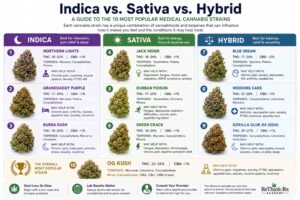
Below are ten of the most widely recognized and medically useful cannabis strains, organized into three broad categories: indicas, sativas, and hybrids.
Understanding What Makes a Cannabis Strain Different
Every cannabis strain contains hundreds of naturally occurring compounds.
The most important include:
- THC (tetrahydrocannabinol): The primary cannabinoid responsible for pain relief, muscle relaxation, appetite stimulation, nausea control, and the psychoactive effects of cannabis.
- CBD (cannabidiol): A non-intoxicating cannabinoid that may reduce inflammation, anxiety, and seizures while helping balance some of THC’s effects.
- Minor cannabinoids: Including CBG, CBC, CBN, and THCV, which may contribute additional therapeutic benefits.
- Terpenes: Aromatic compounds that influence both flavor and medical effects. Common terpenes include myrcene, limonene, caryophyllene, pinene, and linalool.
While individual products vary by grower and harvest, the strains below have developed consistent reputations among medical cannabis patients.
Suggested reading: Indica vs. Sativa vs.Hybrid: An Overview
The Top Three Indica Strains
Indica strains are traditionally associated with physical relaxation, pain relief, improved sleep, and muscle relaxation. Many patients use them during the evening.
1. Northern Lights
Northern Lights has been one of the world’s most respected medical cannabis strains for decades.
Typical cannabinoid profile
- THC: 16–22%
- CBD: Less than 1%
- Minor cannabinoids: Small amounts of CBG and CBN
Dominant terpenes
- Myrcene
- Caryophyllene
- Pinene
Northern Lights is often chosen by patients experiencing:
- Chronic pain
- Fibromyalgia
- Muscle spasms
- Multiple sclerosis
- Insomnia
- Anxiety
- Post-traumatic stress disorder (PTSD)
Its high myrcene content contributes to its reputation for deep relaxation, making it a popular nighttime option.
2. Granddaddy Purple
Granddaddy Purple is famous for its calming effects and strong symptom relief.
Typical cannabinoid profile
- THC: 17–24%
- CBD: Usually under 1%
- Minor cannabinoids: CBG and trace CBN
Dominant terpenes
- Myrcene
- Pinene
- Caryophyllene
Medical patients frequently choose Granddaddy Purple for:
- Severe chronic pain
- Arthritis
- Cancer-related symptoms
- Appetite loss
- Sleep disorders
- Anxiety
Many patients also report significant muscle relaxation, making it popular among individuals with neurological disorders that produce stiffness or spasms.
3. Bubba Kush
Bubba Kush is known for providing consistent relaxation without excessive mental stimulation.
Typical cannabinoid profile
- THC: 18–24%
- CBD: Less than 1%
- Minor cannabinoids: Small amounts of CBG
Dominant terpenes
- Caryophyllene
- Myrcene
- Limonene
Potential medical uses include:
- Chronic pain
- Back pain
- Osteoarthritis
- Stress
- Anxiety
- Insomnia
Its earthy aroma and balanced sedative effects have made Bubba Kush a favorite among patients seeking nighttime symptom control.
The Top Three Sativa Strains
Sativa strains generally produce more uplifting and energizing effects. Many patients use them during the day for symptom relief without excessive drowsiness.
4. Jack Herer
Named after the famous cannabis activist, Jack Herer has become one of the most prescribed daytime strains.
Typical cannabinoid profile
- THC: 18–24%
- CBD: Usually less than 1%
- Minor cannabinoids: CBG
Dominant terpenes
- Terpinolene
- Pinene
- Caryophyllene
Patients commonly use Jack Herer to help manage:
- Depression
- Fatigue
- Chronic pain
- Migraine headaches
- ADHD symptoms
- Mild anxiety
Many patients report improved focus and mental clarity compared with heavier indica strains.
5. Durban Poison
Durban Poison is one of the few well-known pure sativa strains.
Typical cannabinoid profile
- THC: 17–25%
- CBD: Less than 1%
- Minor cannabinoids: THCV may be present in higher amounts than many strains
Dominant terpenes
- Terpinolene
- Ocimene
- Pinene
Potential medical uses include:
- Fatigue
- Depression
- Attention difficulties
- Chronic pain
- Appetite regulation
The presence of THCV has attracted interest because this cannabinoid may influence appetite differently than THC, although research is still ongoing.
6. Green Crack
Despite its unfortunate name, Green Crack has become one of the most popular daytime medical strains.
Typical cannabinoid profile
- THC: 18–24%
- CBD: Less than 1%
Dominant terpenes
- Myrcene
- Caryophyllene
- Pinene
Patients frequently select Green Crack for:
- Fatigue
- Depression
- Fibromyalgia
- Chronic pain
- Daytime symptom management
Its energizing properties often make it attractive to patients who need relief while remaining productive.
The Top Three Hybrid Strains
Hybrid strains combine genetics from both indica and sativa plants, offering a balance of physical and mental effects.
7. Blue Dream
Blue Dream is arguably the most recommended hybrid for new medical cannabis patients.
Typical cannabinoid profile
- THC: 17–24%
- CBD: Usually below 2%
- Minor cannabinoids: CBG
Dominant terpenes
- Myrcene
- Pinene
- Caryophyllene
Medical conditions commonly treated include:
- Chronic pain
- Anxiety
- Depression
- Multiple sclerosis
- Arthritis
- Headaches
Its balanced effects make it suitable for many patients who need symptom relief without becoming overly sedated.
8. Wedding Cake
Wedding Cake has become increasingly popular among patients with significant chronic pain.
Typical cannabinoid profile
- THC: 22–28%
- CBD: Less than 1%
Dominant terpenes
- Caryophyllene
- Limonene
- Myrcene
Patients often report relief from:
- Arthritis
- Neuropathic pain
- Anxiety
- PTSD
- Insomnia
- Appetite loss
Its higher THC concentration makes it better suited for experienced cannabis patients.
9. Gorilla Glue #4 (GG4)
GG4 is known for its potent pain-relieving properties.
Typical cannabinoid profile
- THC: 20–27%
- CBD: Less than 1%
Dominant terpenes
- Caryophyllene
- Limonene
- Humulene
Medical uses commonly include:
- Chronic pain
- Neuropathy
- Muscle spasms
- Stress
- Anxiety
- Sleep disorders
Many patients appreciate its ability to provide strong physical relaxation while maintaining some mental clarity.
The Overall Most Popular Medical Cannabis Strain

10. OG Kush
If one strain has defined modern medical cannabis, it is OG Kush.
For more than two decades, OG Kush has consistently ranked among the most widely used medical cannabis strains across North America. It has also served as the genetic parent of countless newer varieties available in today’s dispensaries.
Typical cannabinoid profile
- THC: 20–26%
- CBD: Usually less than 1%
- Minor cannabinoids: CBG, CBC, and trace CBN
Dominant terpenes
- Myrcene
- Limonene
- Caryophyllene
This combination creates a balanced profile that provides both physical and mental symptom relief.
Medical cannabis patients commonly use OG Kush for:
- Chronic pain
- Migraine headaches
- Anxiety disorders
- PTSD
- Depression
- Appetite loss
- Nausea
- Muscle spasms
- Insomnia
Many healthcare providers consider OG Kush an excellent “middle-ground” strain because it delivers meaningful pain relief while offering balanced relaxation and mood improvement.
Choosing the Right Strain for Your Symptoms
While strain names can be helpful, they should never be the only factor guiding treatment decisions.
Today’s medical cannabis products vary considerably depending on the grower, cultivation methods, extraction process, and laboratory testing. Two products with the same strain name may contain different cannabinoid percentages and terpene profiles.
For this reason, many experienced medical cannabis clinicians focus less on the strain name itself and more on the product’s laboratory results. Understanding THC content, CBD concentration, terpene composition, and the intended time of use often provides more useful information than relying on the strain name alone.
Patients are also encouraged to begin with lower doses and gradually increase only as needed, especially when trying a new product.
Suggested Reading: How to Read Cannabis Product Labels
The Bottom Line
Medical cannabis offers an increasingly personalized approach to symptom management. Whether you’re seeking better sleep, relief from chronic pain, improved mood, or daytime symptom control, the right strain may help support your treatment goals.
Indica strains such as Northern Lights and Granddaddy Purple are often favored for nighttime pain and sleep support. Sativas like Jack Herer and Durban Poison may help patients remain active during the day, while hybrids such as Blue Dream and OG Kush provide balanced relief that works well for many conditions.
The best strain ultimately depends on your symptoms, medical history, treatment goals, and how your body responds to different cannabinoid and terpene combinations.
Working with an experienced medical cannabis provider can help you navigate these options safely and develop a treatment plan tailored to your individual needs. Combined with guidance from knowledgeable dispensary pharmacists, this personalized approach can help you maximize the benefits of medical cannabis while minimizing unwanted side effects.
Still need a cannabis certification? Click HERE to make an easy, online appointment.
Disclaimer: This article is for educational purposes only and is not a substitute for professional medical advice, diagnosis, or treatment. Always consult a qualified healthcare provider with any questions about your health or medical conditions.

Dr. Marsh, is a board-certified anesthesiologist with over 37 years of healthcare experience. A graduate of Syracuse University, the New York College of Osteopathic Medicine, and Rutgers University Medical School, he has earned recognition from FindaTopDoc.com for clinical excellence. Dr. Marsh founded ReThink-Rx in 2021, where he now focuses on educating, supporting, and certifying patients for medical cannabis.