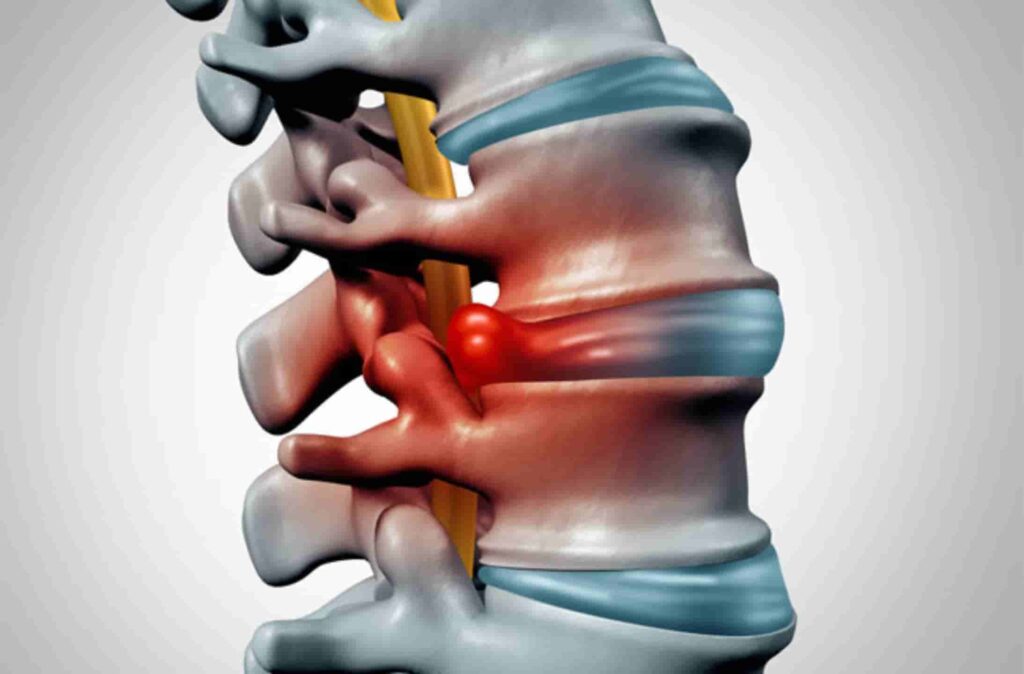

Multiple sclerosis (MS) is a chronic, often unpredictable neurologic disease that affects the brain, spinal cord, and nerves. It occurs when the immune system mistakenly attacks myelin—the protective covering around nerve fibers—disrupting communication between the brain and the rest of the body. Over time, this damage can lead to a wide range of symptoms that affect movement, sensation, mood, cognition, and overall quality of life.
For many patients, MS is not defined by a single symptom, but by a collection of persistent challenges: muscle stiffness, spasms, nerve pain, fatigue, sleep disruption, and emotional strain. While disease-modifying therapies play a critical role in slowing progression, they do not always provide adequate relief from daily symptoms. This is why many patients explore additional options, including medical cannabis, as part of a comprehensive care plan.
Understanding Symptoms of Multiple Sclerosis
MS symptoms vary widely from person to person and may change over time. Common symptoms include:
- Muscle spasticity and stiffness
- Pain, including burning or electric-type nerve pain
- Muscle spasms and involuntary movements
- Fatigue that is disproportionate to activity
- Difficulty walking or maintaining balance
- Sleep disturbances
-
Anxiety, depression, and mood changes
These symptoms often interact with one another. Poor sleep worsens fatigue, fatigue increases pain sensitivity, and pain heightens anxiety. Effective symptom management requires an approach that addresses multiple pathways at once.
Limitations of Conventional MS Symptom Treatments
Standard treatments for MS symptoms may include muscle relaxants, antispasmodics, neuropathic pain medications, antidepressants, and sleep aids. While these medications can help, they often come with side effects such as:
- Sedation and mental clouding
- Dizziness and fall risk
- Dry mouth and constipation
- Tolerance and reduced effectiveness over time
-
Limited benefit for multiple symptoms simultaneously
Many patients find themselves taking several medications at once, each targeting a single symptom while increasing overall medication burden.
The Endocannabinoid System and MS
Medical cannabis works through the endocannabinoid system (ECS)—a regulatory system involved in nerve signaling, inflammation, immune balance, pain perception, muscle tone, and sleep. Cannabinoid receptors are widely distributed throughout the central nervous system, including areas directly affected in MS.
In MS, disrupted nerve signaling and chronic inflammation play central roles in symptom development. By interacting with the ECS, cannabinoids may help modulate these processes in a more integrated way than single-target medications.
Cannabis and MS-Related Spasticity
Muscle spasticity is one of the most common and disabling symptoms of MS. It can cause stiffness, cramping, involuntary contractions, and difficulty with movement and positioning.
Cannabinoids may help reduce spasticity by:
- Calming overactive nerve signals
- Reducing reflex muscle tightening
- Improving coordination between nerves and muscles
-
Supporting smoother, more controlled movement
Many patients report improved comfort, easier movement, and reduced nighttime stiffness when spasticity is better controlled.
Cannabis and Nerve Pain
MS-related pain is often neuropathic, meaning it originates from damaged or misfiring nerves rather than injured tissues. This type of pain can be burning, stabbing, or electric in nature and is frequently resistant to standard pain medications.
Medical cannabis may help by:
- Modulating pain signal transmission in the spinal cord and brain
- Reducing central sensitization
-
Supporting more balanced nervous system activity
For some patients, cannabis reduces pain intensity and frequency rather than simply dulling sensation.
Inflammation and Immune Modulation
Inflammation plays a key role in MS disease activity and symptom flares. While cannabis is not a replacement for disease-modifying therapies, certain cannabinoids may have anti-inflammatory properties that help reduce secondary inflammation around nerves.
This may translate into fewer symptom exacerbations, less irritation of already-damaged nerve pathways, and improved day-to-day comfort.
Fatigue and Energy Balance
MS-related fatigue is one of the most challenging symptoms to manage. It is often described as a deep, overwhelming exhaustion that is not relieved by rest.
While cannabis is not a stimulant, improved symptom control—particularly better sleep, reduced pain, and calmer nervous system activity—may indirectly reduce fatigue. Some patients report improved daytime energy once nighttime symptoms are better managed.
Sleep Improvement in MS
Sleep disruption is extremely common in MS and may be caused by pain, spasms, anxiety, bladder symptoms, or restless legs.
Medical cannabis may improve sleep by:
- Reducing nighttime spasticity and pain
- Calming nervous system hyperactivity
- Helping patients fall asleep more naturally
-
Supporting longer, more continuous sleep
Improved sleep often leads to better mood, improved pain tolerance, and greater physical resilience.
Mood, Anxiety, and Quality of Life
Living with MS places a significant emotional burden on patients. Anxiety about disease progression, depression related to functional loss, and chronic stress are common.
By supporting sleep, reducing pain, and calming the nervous system, cannabis may contribute to improved emotional well-being for some patients. This indirect effect can be just as meaningful as physical symptom relief.
Cannabis vs. High-Risk Medications
Some medications used in MS symptom management—such as benzodiazepines or opioids—carry significant risks with long-term use, including dependence, cognitive impairment, and overdose.
Medical cannabis may offer:
- Lower risk of respiratory depression
- Less physical dependence
- No known fatal overdose risk when used alone
-
Broader symptom coverage with fewer medications
In some cases, cannabis allows patients to reduce reliance on higher-risk drugs under medical supervision.
Individualized Treatment Is Essential
MS is highly individualized, and cannabis therapy must be as well. Factors influencing outcomes include:
- THC-to-CBD ratio
- Presence of minor cannabinoids
- Dose and timing
-
Delivery method (oral, vaporized, topical)
Lower doses are often effective, and higher doses are not always better. Careful titration, product selection, and medical guidance are critical.
Not a Cure, but a Meaningful Tool
Medical cannabis does not cure MS or replace disease-modifying therapies. Its role is supportive—helping manage symptoms, improve comfort, enhance sleep, and support daily function.
When combined with neurologic care, physical therapy, exercise, and lifestyle strategies, cannabis may be a valuable part of a comprehensive MS care plan.
Final Thoughts
Multiple sclerosis is a complex, lifelong condition that affects far more than the nervous system alone. Effective care must address pain, spasticity, sleep, fatigue, and emotional health—not just disease progression.
Medical cannabis offers a multi-target approach that aligns well with the complex symptom profile of MS. For appropriately selected patients, it may provide meaningful relief with a safety profile that compares favorably to many conventional options.
As always, thoughtful evaluation, education, and physician oversight are essential. When used responsibly, medical cannabis may help patients with MS improve comfort, function, and quality of life—one symptom at a time.
Disclaimer: This article is for educational purposes only and is not a substitute for professional medical advice, diagnosis, or treatment. Always consult a qualified healthcare provider with any questions about your health or medical conditions.

Dr. Nicholas Marsh is board-certified by the American Board of Anesthesiologists and has over 37 years of healthcare experience. Recognized by FindaTopDoc.com for clinical excellence, he now focuses on educating, supporting, and certifying patients for medical cannabis.