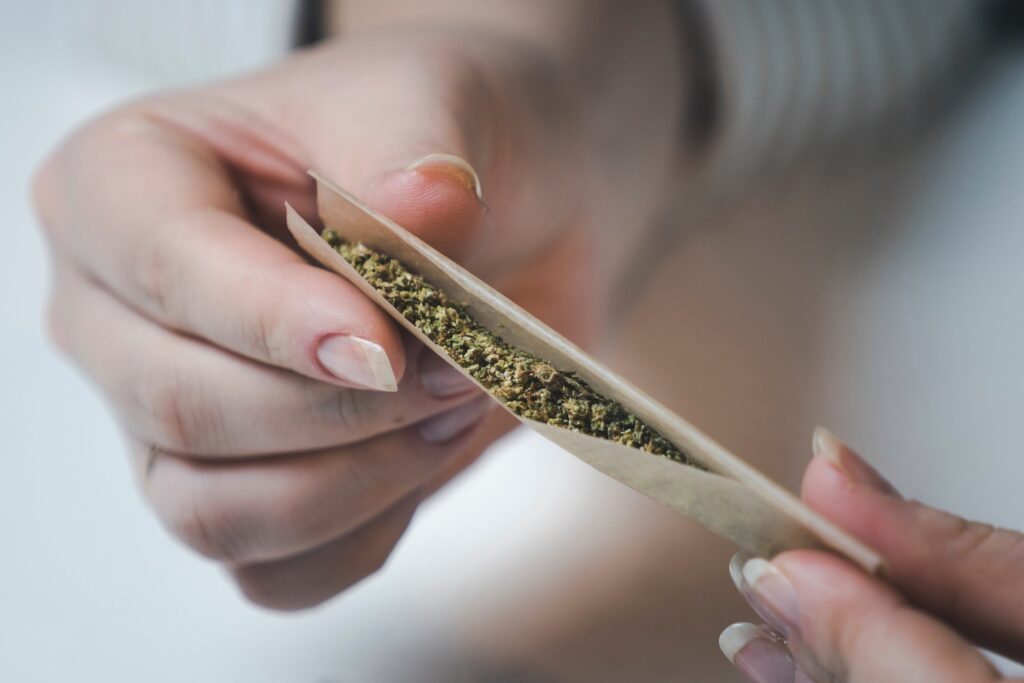

Loss of appetite can affect nearly every aspect of health. When patients stop eating well, energy drops, weight can change in unhealthy ways, medications become harder to tolerate, and recovery slows. Whether appetite loss is caused by chronic illness, pain, stress, or treatment side effects, it can be frustrating and sometimes frightening.
Medical marijuana has long been associated with appetite stimulation, but its role in modern medicine is more nuanced than the stereotypes suggest. For some patients, cannabis helps restore normal hunger cues and improves the enjoyment of food. For others, it helps reduce nausea, improve sleep, and lower anxiety—all of which indirectly support better nutrition.
In this article, we’ll explore how medical marijuana affects appetite, which patients may benefit, what products are commonly used, and how to incorporate cannabis safely into a nutrition-focused care plan.
How Medical Marijuana Affects Appetite
Cannabis interacts with the body’s endocannabinoid system, a network of receptors that helps regulate appetite, metabolism, mood, and digestion. These receptors are found throughout the brain and gastrointestinal tract.
The compound most closely linked with appetite stimulation is THC (tetrahydrocannabinol). THC activates cannabinoid receptors in the brain, influencing hunger signals, food reward, and sensory perception. Many patients report that food smells better, tastes richer, and feels more appealing after using THC-containing cannabis.
However, appetite support isn’t just about THC. Other cannabinoids and terpenes may play a role by reducing nausea, calming anxiety, and improving sleep—all of which help patients maintain regular eating habits.
Why Appetite Loss Happens
Changes in appetite can occur for many reasons. Some patients feel full quickly, while others lose interest in food altogether. Medical marijuana is often considered when appetite loss becomes persistent and begins affecting quality of life.
Common causes of appetite loss include:
- Chronic pain
- Cancer and chemotherapy
- Gastrointestinal disorders
- Anxiety or depression
- Sleep disruption
- Medication side effects
- Neurologic conditions
- Post-surgical recovery
-
Aging and frailty
When appetite drops, patients may unintentionally lose weight or struggle to maintain muscle mass and energy. Addressing appetite early can prevent complications and support healing.
Which Patients May Benefit from Cannabis for Appetite
Medical marijuana is not appropriate for every patient, but it can be helpful for certain groups when used thoughtfully and under medical guidance.
Patients who may benefit include:
- Cancer patients experiencing treatment-related appetite loss
- Patients with chronic nausea
- Individuals with HIV/AIDS-related wasting
- Older adults with reduced appetite
- Patients with chronic pain affecting eating patterns
- Those with anxiety-related appetite suppression
-
Patients recovering from surgery or illness
For many of these individuals, improving appetite also improves mood, energy, and participation in daily activities.
THC vs CBD: Which Helps Appetite Most?
THC and Hunger Stimulation
THC is the cannabinoid most directly linked with increased hunger. It may help:
- Trigger hunger signals
- Enhance taste and smell
- Improve the enjoyment of meals
- Reduce nausea
-
Relax muscles and reduce discomfort
Low to moderate doses are typically most helpful. Very high doses can sometimes cause sedation or, in some people, temporary appetite suppression.
CBD and Appetite Support
CBD does not stimulate appetite in the same direct way THC does, but it may still be helpful. CBD can:
- Reduce anxiety around eating
- Calm gastrointestinal inflammation
- Improve sleep
-
Balance THC’s psychoactive effects
Many patients do best with balanced THC and CBD products, especially during the daytime.
Best Medical Marijuana Products for Appetite Support
Different cannabis products affect appetite in different ways. Choosing the right format depends on how quickly a patient needs relief and how long they want the effects to last.
Fast-Acting Options
Inhaled products such as vaporized cannabis work within minutes. These may be helpful for:
- Pre-meal appetite stimulation
- Sudden nausea
-
Anxiety before eating
Some patients take a small dose 15–20 minutes before meals to encourage hunger.
Longer-Lasting Options
Edibles, tinctures, and capsules take longer to work but last longer. These are often used for:
- Sustained appetite throughout the day
- Evening meals
- Overnight support
-
Patients with chronic appetite suppression
Tinctures are especially popular because dosing can be adjusted gradually.
Balanced Formulations
Products that combine THC and CBD often provide appetite support without excessive intoxication. These can be used during the day while still allowing patients to remain functional and alert.
Timing Cannabis Around Meals
One of the most effective strategies is using medical marijuana before meals, not after. Taking a small dose 20–30 minutes prior to eating may:
- Increase hunger cues
- Improve taste perception
- Reduce nausea
-
Make eating feel more enjoyable
Patients often find that regular timing helps establish a predictable appetite pattern.
Safety Considerations
While cannabis can support appetite, it should be used carefully and intentionally. The goal is to restore healthy eating—not to encourage overeating or reliance on high-sugar foods.
Helpful safety tips:
- Start with low doses
- Avoid high-THC products initially
- Monitor weight changes
- Pair cannabis use with nutritious meals
- Stay hydrated
-
Work with a knowledgeable provider
Some patients may experience dry mouth or mild sedation. These effects are usually manageable and often improve with dose adjustments.
Medical Marijuana and Nausea
Appetite loss is often tied to nausea. Cannabis has well-documented anti-nausea effects, which can indirectly improve appetite.
Patients undergoing chemotherapy or dealing with chronic GI issues may find that reducing nausea allows them to eat more comfortably. Even small improvements in nausea can lead to meaningful improvements in nutrition and energy.
The Role of Sleep and Mood
Appetite, sleep, and mood are closely connected. Poor sleep often reduces hunger the next day. Anxiety can also suppress appetite or cause digestive discomfort.
Medical marijuana may support appetite by improving:
- Sleep quality
- Stress levels
- Pain control
-
Relaxation
When these areas improve, appetite often returns naturally.
Practical Strategies for Healthy Eating
Beyond using therapeutic cannabis, practical strategies for fostering healthy eating habits are important. Consider the following as integral components of a holistic approach:
1. Frequent, Smaller Meals:
Opting for smaller, more frequent meals throughout the day can make eating less overwhelming. This approach helps maintain a steady intake of nutrients and calories, particularly beneficial for those facing appetite challenges.
2. Nutrient-Dense Foods:
Choosing nutrient-dense foods ensures that each bite contributes significantly to overall health. Lean proteins, whole grains, fruits, and vegetables pack a nutritional punch, supporting a balanced, nourishing diet.
3. Hydration:
Staying well-hydrated is crucial, as dehydration can contribute to a loss of appetite. Exploring flavored water or herbal teas can add variety to hydration choices, especially for those who find plain water less appealing.
4. Mindful Eating:
Practicing mindful eating involves savoring each bite, appreciating flavors, and being present in the moment during meals. This approach fosters a deeper connection with the act of eating, potentially enhancing the overall dining experience.
5. Creative Cooking:
Experimenting with different cooking techniques and flavors adds vibrancy to meals. Incorporating fresh herbs, spices, and varied textures can make food more enticing and enjoyable.
6. Social Support:
Sharing meals with loved ones or friends introduces a social dimension to eating. This communal aspect can make the experience more enjoyable and may stimulate appetite, particularly for those facing challenges in this area.
Working with a Medical Provider
Because appetite loss can have many underlying causes, it’s important to work with a medical professional who understands cannabis therapy. A knowledgeable provider can help:
- Select appropriate products
- Determine dosing
- Monitor weight and nutrition
- Avoid interactions with medications
-
Adjust treatment over time
Cannabis should be part of a broader care plan that includes proper nutrition, hydration, and treatment of underlying conditions.
Final Thoughts
Medical marijuana can be a valuable tool for patients struggling with appetite loss, especially when traditional approaches haven’t provided relief. By supporting hunger signals, reducing nausea, improving sleep, and easing anxiety, cannabis may help patients regain a healthier relationship with food.
As with any therapy, the goal is balance. The right dose, product, and timing can make a meaningful difference in comfort, nutrition, and quality of life. With thoughtful use and medical guidance, cannabis can help some patients eat better, feel stronger, and recover more fully.
Disclaimer: This article is for educational purposes only and is not a substitute for professional medical advice, diagnosis, or treatment. Always consult a qualified healthcare provider with any questions about your health or medical conditions.

Dr. Nicholas Marsh is board-certified by the American Board of Anesthesiologists and has over 37 years of healthcare experience. Recognized by FindaTopDoc.com for clinical excellence, he now focuses on educating, supporting, and certifying patients for medical cannabis.