
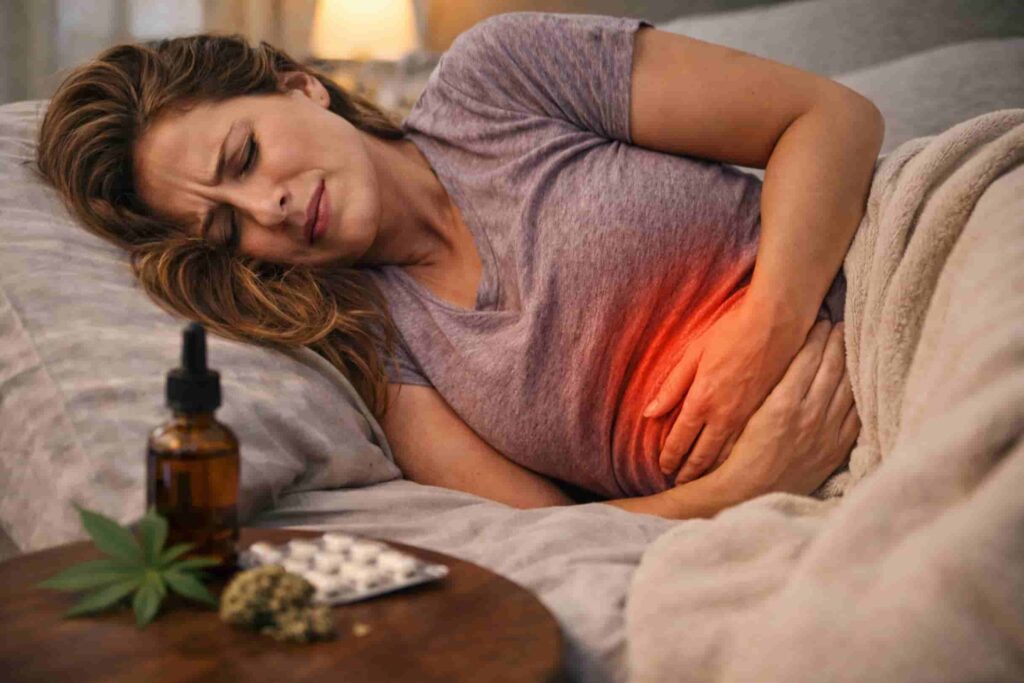
Cannabis Helps with Pain
Medical Marijuana and Endometriosis
Endometriosis is a disorder in which tissue that normally lines the inside of the uterus grows outside of the uterus.
Endometriosis: A Personal Struggle
Your ReThink-Rx™ Doctor Will Help
Endometriosis is a chronic, often painful condition that affects millions of women, yet it is frequently misunderstood and underdiagnosed. For many patients, symptoms begin in adolescence and continue for years before a clear diagnosis is made. Pain, fatigue, and disruption to daily life can be significant, leading many patients to search for safer, more effective long-term relief options.
This cornerstone guide explains what endometriosis is, why it causes chronic symptoms, and how medical marijuana may play a supportive role in symptom management as part of a physician-guided care plan.
What Is Endometriosis?
Endometriosis occurs when tissue similar to the lining of the uterus grows outside the uterus. These growths may appear on the ovaries, fallopian tubes, pelvic lining, bowel, bladder, or other nearby structures.
Like normal uterine tissue, endometriosis lesions respond to hormonal changes. However, because this tissue is located outside the uterus, it can trigger inflammation, scarring, and nerve irritation—leading to ongoing pain and other symptoms.
Endometriosis is a chronic condition. While symptoms may fluctuate over time, many patients experience recurring or persistent issues that require long-term management.
Common Symptoms of Endometriosis
Symptoms vary widely from person to person and may change over time. Common complaints include:
- Pelvic pain (often worse during menstruation)
- Severe menstrual cramps
- Pain during or after intercourse
- Chronic low back or abdominal pain
- Pain with bowel movements or urination
- Heavy or irregular periods
- Fatigue
- Nausea or digestive discomfort
Anxiety, depression, or sleep disturbance related to chronic pain
The severity of symptoms does not always correlate with the amount of visible disease, which can make diagnosis and treatment especially challenging.
Limitations of Conventional Treatments
Standard treatments for endometriosis often include hormonal therapies, anti-inflammatory medications, and surgical interventions. While these approaches help many patients, they are not always effective or well-tolerated.
Some patients experience:
- Incomplete pain relief
- Hormonal side effects, such as mood changes or weight gain
- Gastrointestinal irritation from long-term NSAID use
- Recurrence of symptoms after surgery
Limited options for long-term symptom control
Because endometriosis often affects patients during their reproductive years, the long-term safety and tolerability of treatment options are especially important.
How Medical Marijuana May Help
Medical marijuana interacts with the body’s endocannabinoid system, which plays a role in pain perception, inflammation, immune response, mood, and sleep. Research suggests this system may be involved in pelvic pain disorders and inflammatory conditions.
Rather than treating endometriosis itself, cannabis is best understood as a tool for symptom management. Many patients report improvements in both physical discomfort and overall quality of life.
Potential benefits include:
- Reduced pelvic and abdominal pain
- Relief from menstrual cramping
- Decreased inflammation-related discomfort
- Improved sleep quality
- Reduced nausea
Improved mood and stress tolerance
For some patients, cannabis may also help reduce reliance on higher-risk medications.
Endometriosis-Related Symptoms Cannabis May Help Address
Medical marijuana may be considered for managing a range of symptoms associated with endometriosis, including:
- Chronic pelvic pain
- Menstrual cramps and cyclical pain
- Lower back and hip pain
- Pain during intercourse
- Inflammation-related discomfort
- Sleep disturbances
- Anxiety and stress related to chronic pain
- Nausea and digestive symptoms
Muscle tension and spasms
Symptom response varies, making individualized treatment essential.
Benefits Beyond Pain Control
One of the most meaningful effects reported by patients is not just less pain, but better daily functioning. Improved sleep, reduced stress, and greater emotional resilience can significantly change how patients cope with a chronic condition.
When pain is more manageable, patients often find it easier to:
- Maintain work or school responsibilities
- Stay physically active
- Engage in relationships
- Manage mood and mental health
Feel more in control of their condition
These quality-of-life improvements are especially important in long-term conditions like endometriosis.
Disclaimer: This article is for educational purposes only and is not a substitute for professional medical advice, diagnosis, or treatment. Always consult a qualified healthcare provider with any questions about your health or medical conditions.
RETHINK
CANNABIS
, HEALTH
, WELLNESS
, COMFORT
WITH RETHINK-RX™