Introduction
Medical marijuana is a form of treatment that has been gaining more recognition and acceptance in recent years. It can be used to treat a variety of medical conditions, including chronic pain, anxiety, depression, seizures, and many other health issues. While medical marijuana may offer relief from certain symptoms and diseases, it’s essential to understand the risks associated with its use. One such risk is the potential for an incorrect dosage – too much or too little – leading to either an ineffective or potentially dangerous experience.
To ensure safe and effective dosing when using medical marijuana, it’s essential to have a thorough understanding of how different factors affect your individual needs. In this article, we’ll discuss what you need to know about proper dosing when using medicinal cannabis products so you can get the most out of your treatment plan.
Keep reading to learn more.
Why is Medical Marijuana Dosing Important?
It is vital to get the proper dosage of medical marijuana because it will help your body heal and make you feel better. Too much or too little can be dangerous and make you sick. The correct dosage depends on the condition you are trying to alleviate, the strength of the marijuana, and your body’s reaction to it. Your doctor can help you determine the best dose for you. They will consider factors such as your age, weight, and medical history when recommending a dosage.
Types of Medical Marijuana
Medical marijuana comes in different forms. It can be a flower, concentrate, terpene, pill, oil, or edible. Each type affects how much you need to take and how it works in your body.
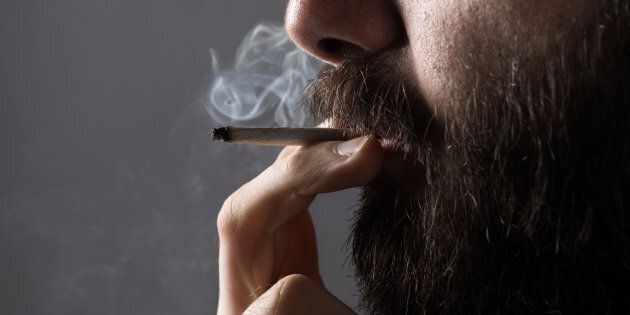
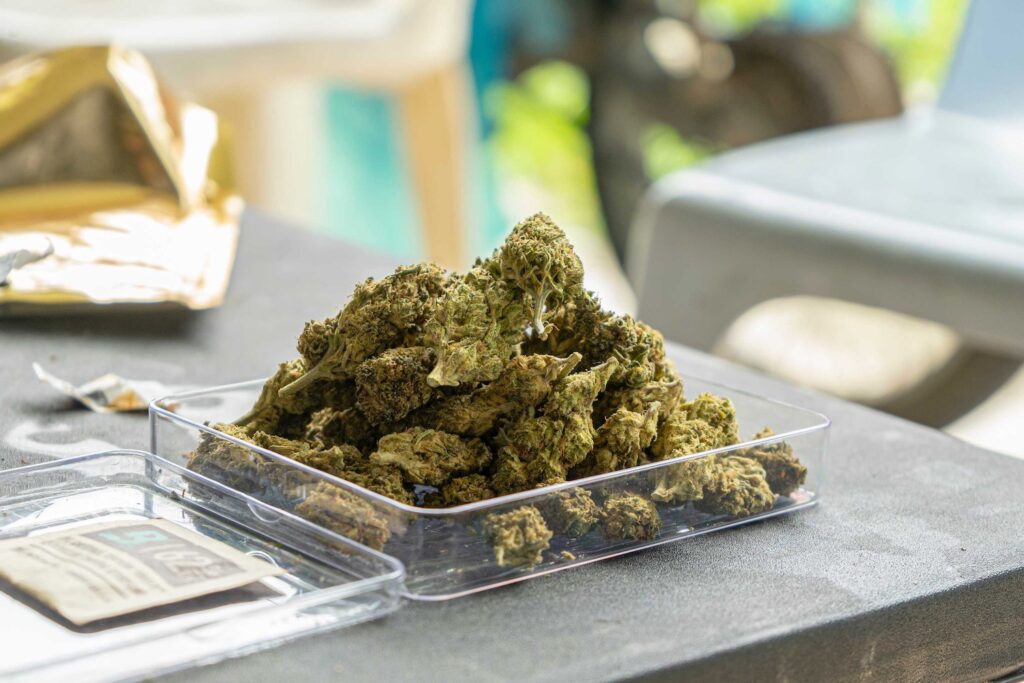
Flower is the most commonly used type of medical marijuana. It is usually smoked in a joint or pipe, but can also be vaped with a special device. The effects will take about 10 minutes to take effect and last for 2 to 4 hours.
Concentrates are made from cannabis extracts and have higher levels of THC than flower. Concentrates can be a wax, shatter, or oil and are typically ingested by vaping or dabbing. The effects of concentrates are more intense but also shorter in duration than flower, lasting between one to two hours.
Terpenes are extracted from the resin glands of cannabis flowers and have distinct odors and flavors. Terpenes are usually added to products like edibles and oils to enhance the experience and can be inhaled or ingested.
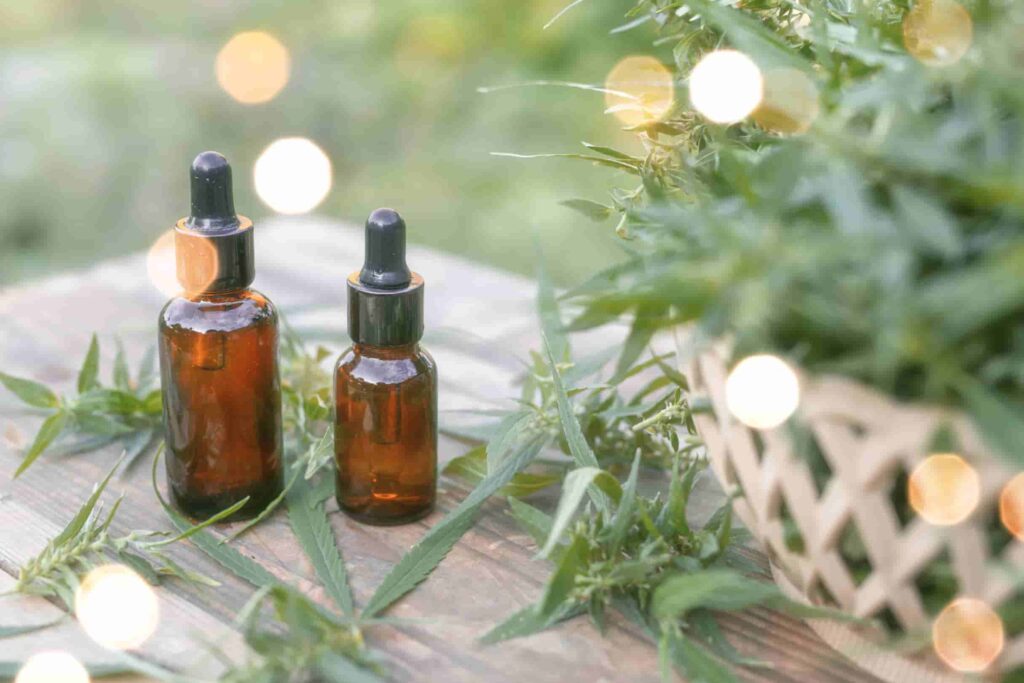
Pills, oils, and edibles are all forms of medical marijuana that are ingested orally. The effects from consuming cannabis take longer to feel than smoking or vaping, but they also last longer. It typically takes between 30 minutes to an hour for edibles and oils to take effect, and they can last up to eight hours. Pills usually take about 20 minutes to take effect, with effects lasting 4 to 6 hours.
Knowing the form of medical marijuana you plan to consume is essential for determining the appropriate dosage.
Risks of Incorrect Dosing
Medical marijuana has been used to help treat a wide range of illnesses and chronic pain, though it is important to note that incorrect dosing may pose serious risks. While medical marijuana can be an effective form of therapy when properly dosed, taking too much or too little can lead to undesired effects on a patient’s health.
When consumed in excess, marijuana can lead to a number of unpleasant side effects, such as dizziness, paranoia, fatigue, impaired memory, or confusion. Additionally, taking too much of the drug all at once can cause a patient to become overwhelmed and possibly even experience hallucinations. Furthermore, incorrect dosing could also reduce the efficacy of treatment for certain illnesses, as marijuana’s anti-inflammatory, anti-seizure, and anti-anxiety effects can be lessened if too much of the drug is taken.
It is also essential to take into account that different strains of medical marijuana have varying levels of THC and CBD content, with each strain having its own unique range of effects.
What About Microdosing?
Some patients are interested in avoiding the cognitive effects of cannabis while getting their medical benefits. For them, microdosing may provide a solution. With this method, minimal dosages are used. These dosing ranges are not enough to produce noticeable cognitive changes. Yet, the medical benefits may still occur due to the balance this provides to the endocannabinoid system.
Conclusion
Medical marijuana dosing can relieve the symptoms of many chronic illnesses, but it is essential to be aware of the potential risks involved. When considering medical marijuana as a treatment option, it’s essential to speak with your doctor about your specific condition and any potential side effects that may arise from using medical cannabis to treat it.
To learn more about medical marijuana dosing, contact ReThink-Rx today.
Disclaimer: This article is for educational purposes only and is not a substitute for professional medical advice, diagnosis, or treatment. Always consult a qualified healthcare provider with any questions about your health or medical conditions.

Dr. Nicholas Marsh is board-certified by the American Board of Anesthesiologists and has over 37 years of healthcare experience. Recognized by FindaTopDoc.com for clinical excellence, he now focuses on educating, supporting, and certifying patients for medical cannabis.