
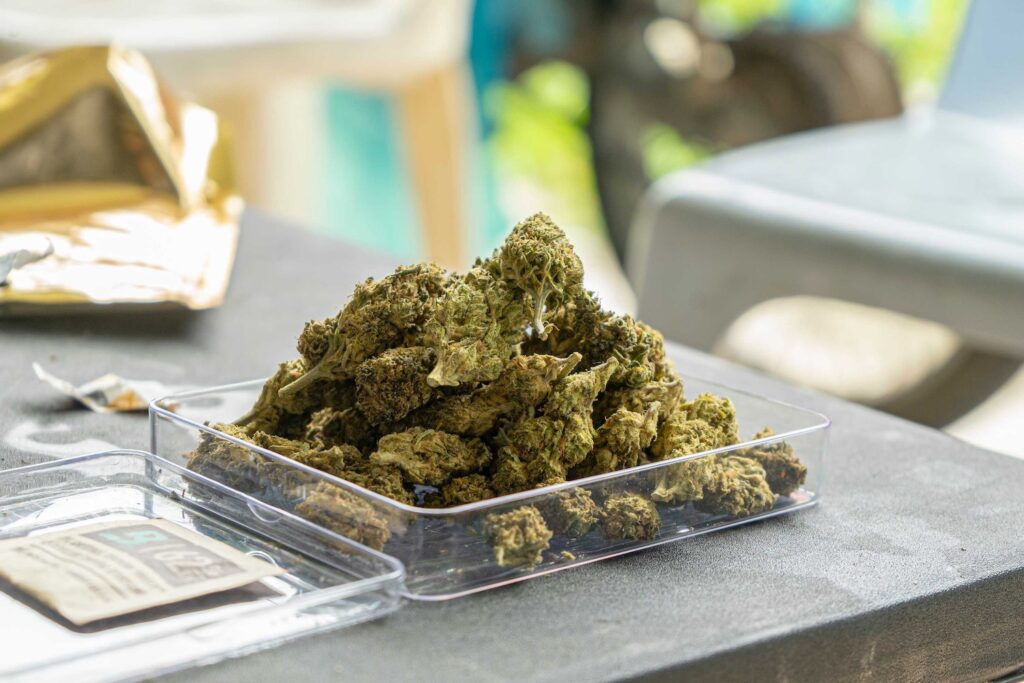
Cannabis Helps with Parkinson’s Disease
Medical Marijuana for Parkinson's Disease
Parkinson’s disease is a neurological disorder that affects the control of movement.
Parkinson's Disease: A Personal Struggle
Your ReThink-Rx™ Doctor Will Help
Parkinson’s disease is a progressive neurologic condition that affects movement, muscle control, mood, and sleep. It occurs when certain brain cells that produce dopamine gradually decline, leading to symptoms such as tremor, stiffness, slowed movement, and changes in balance and coordination. Over time, Parkinson’s can also affect sleep quality, emotional health, and overall comfort.
While standard medications remain essential for managing the underlying disease and improving motor function, many patients continue to experience symptoms that are difficult to control. Tremor, muscle rigidity, sleep disruption, anxiety, and pain can persist even with optimal medical therapy. Because of this, patients and caregivers often seek supportive treatments that may improve daily comfort and quality of life. Medical cannabis has become one of the options being explored in this context.
This article serves as an overview of medical cannabis and Parkinson’s disease. It focuses on broad considerations and potential benefit.
Understanding Parkinson’s Symptoms
Parkinson’s disease affects each person differently, and symptoms often evolve over time. Common concerns include:
- Tremor
- Muscle stiffness and rigidity
- Slowed movement
- Balance and coordination difficulties
- Sleep disruption
- Anxiety or depression
Pain or muscle discomfort
Many of these symptoms are interconnected. Poor sleep can worsen tremor and fatigue. Anxiety can increase muscle tension. Pain and stiffness can make movement more difficult. Effective symptom management often requires a comprehensive approach that addresses both motor and non-motor symptoms.
Conventional Treatments and Their Limits
Standard Parkinson’s treatments typically include medications that support dopamine function, along with physical therapy, occupational therapy, and speech therapy. These therapies can significantly improve movement and function.
However, some symptoms remain difficult to manage. Patients may experience:
- Persistent muscle stiffness
- Tremor that fluctuates throughout the day
- Sleep disturbances
- Anxiety or mood changes
Medication side effects such as nausea, dizziness, or fatigue
As the condition progresses, maintaining comfort and quality of life becomes a central focus of care. Many patients seek additional options that may help support symptom control without adding significant side effects.
The Endocannabinoid System and Parkinson’s
Medical cannabis interacts with the body’s endocannabinoid system (ECS), which helps regulate movement, muscle tone, sleep, mood, and pain perception. Cannabinoid receptors are present throughout the brain, including areas involved in motor control and emotional regulation.
Researchers believe the ECS plays a role in maintaining neurologic balance. Because Parkinson’s affects many of the same pathways influenced by the ECS, cannabinoids have become an area of growing scientific interest.
Potential Areas of Support
Medical cannabis does not cure Parkinson’s disease or stop its progression. Its potential role is supportive—helping manage certain symptoms that affect comfort and daily functioning.
Muscle stiffness and rigidity
Muscle tightness can make movement uncomfortable and contribute to fatigue. Some patients report that cannabinoids may help reduce stiffness and improve overall comfort, particularly in the evening or at night.
Tremor and movement discomfort
While cannabis is not a primary treatment for tremor, some individuals find that improved relaxation and reduced muscle tension may lessen the severity or perceived intensity of tremor episodes.
Sleep
Sleep disruption is very common in Parkinson’s disease and can worsen daytime fatigue and movement symptoms. Difficulty falling asleep, frequent awakenings, and restless sleep are common concerns. By helping calm the nervous system and reduce nighttime discomfort, cannabis may support more consistent sleep for some patients.
Pain and muscle discomfort
Muscle pain and cramping can accompany rigidity and reduced mobility. Cannabinoids may help modulate pain signals and promote relaxation, improving comfort during rest and movement.
Mood and stress
Living with a chronic neurologic condition can be emotionally challenging. Anxiety and depression are common in Parkinson’s disease. While cannabis should not replace appropriate mental health care, some patients report that improved sleep and comfort contribute to better emotional well-being.
Safety and Individualized Care
Medical cannabis is not appropriate for every patient. Age, overall health, cognitive status, and current medications must all be considered. Because Parkinson’s disease often affects balance and coordination, careful selection of therapy and close medical supervision are especially important.
Patients should work with a knowledgeable clinician to determine whether cannabis is a reasonable option within their overall treatment plan. It should be viewed as one possible component of comprehensive care, not a replacement for established therapies.
Integrating Cannabis Into Parkinson’s Care
If medical cannabis is considered, it is typically used as a complementary therapy alongside:
- Neurologic medications
- Physical and occupational therapy
- Exercise and mobility training
- Sleep support
Emotional and mental health care
The goal is to improve comfort, function, and quality of life while maintaining safety and stability. Each patient’s needs and responses will differ, so individualized care is essential.
Looking Ahead
Research into medical cannabis and Parkinson’s disease is ongoing. As understanding grows, clinicians and patients will gain clearer guidance about potential benefits, risks, and best practices. Early findings and patient experiences suggest that some individuals may find meaningful relief from certain symptoms, particularly those related to sleep, muscle stiffness, and overall comfort.
Continued study will help clarify which patients may benefit most and how cannabinoid therapies can be used safely within comprehensive care plans.
Final Thoughts
Parkinson’s disease affects many aspects of daily life, from movement and sleep to mood and comfort. While standard treatments remain the foundation of care, supportive therapies can play an important role in helping patients maintain quality of life.
Medical cannabis is not a cure for Parkinson’s disease, but it may offer symptom relief for select patients when used thoughtfully and under medical supervision. As research continues and awareness grows, cannabis may become one of several tools available to support comfort, rest, and function for people living with Parkinson’s.
Disclaimer: This article is for educational purposes only and is not a substitute for professional medical advice, diagnosis, or treatment. Always consult a qualified healthcare provider with any questions about your health or medical conditions.
RETHINK
CANNABIS
, HEALTH
, WELLNESS
, COMFORT
WITH RETHINK-RX™