
In recent years, medical marijuana has gained traction as a therapeutic alternative to prescription medications, particularly in the management of chronic pain, anxiety, PTSD, and other debilitating conditions. As an experienced medical marijuana doctor and anesthesiologist, I’ve witnessed firsthand how medical cannabis offers promising results for patients, sometimes with fewer side effects than traditional pharmaceuticals. But is cannabis truly more effective than prescription medications? Let’s explore both sides to answer this question.
Understanding the Differences: Cannabis vs. Prescription Medications
Prescription Medications:
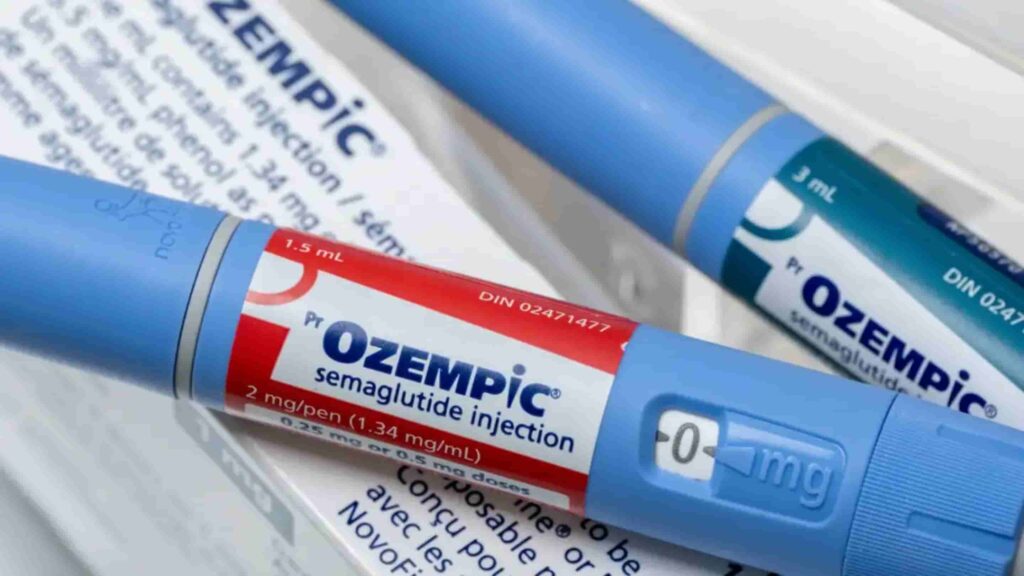
Prescription drugs have been the cornerstone of modern medicine for decades. They’re developed to target specific conditions, often based on extensive clinical trials. Whether it’s opioids for pain relief, benzodiazepines for anxiety, or antidepressants for mental health conditions, they have well-documented effects, both good and bad. For instance, opioids are effective at managing acute pain but come with high risks of addiction, overdose, and side effects like constipation and nausea.
Medical Marijuana:
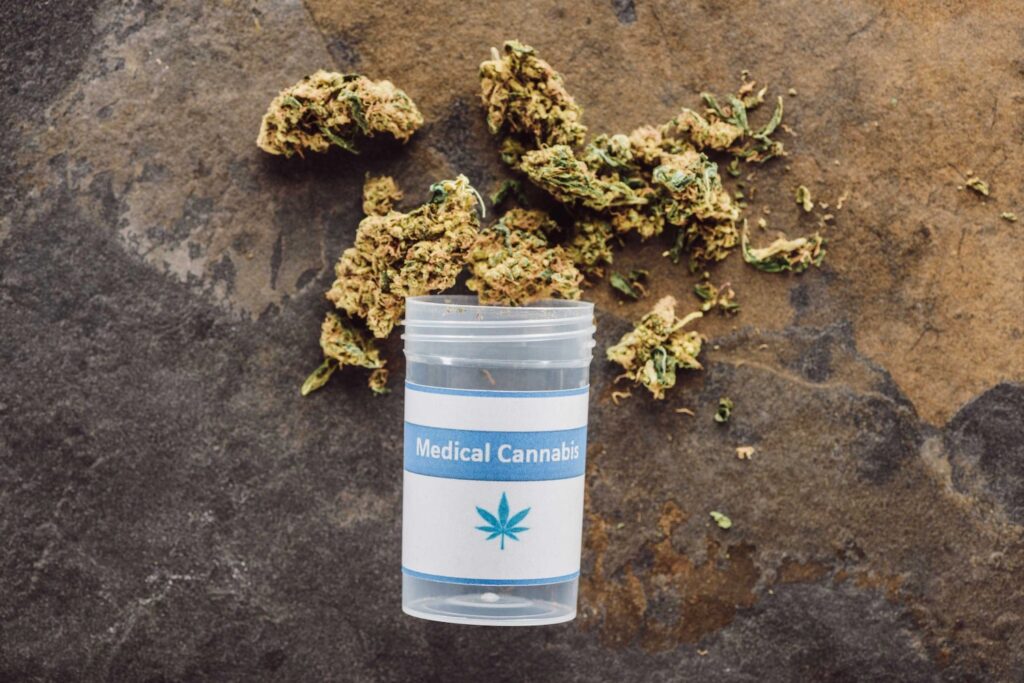
Medical cannabis, on the other hand, is derived from the cannabis plant and used to treat a variety of ailments. Unlike prescription drugs, it’s a plant-based remedy used for centuries in traditional medicine. Cannabinoids like THC and CBD are the primary active components in cannabis, known to interact with the body’s endocannabinoid system to regulate pain, mood, and inflammation. Importantly, cannabis has no known lethal dose, and patients generally report fewer severe side effects compared to opioids and other pharmaceuticals.
Chronic Pain: Cannabis vs. Opioids
One of the most common uses for both medical marijuana and prescription drugs is the treatment of chronic pain. Opioids are traditionally prescribed for moderate to severe pain, but their high potential for addiction and overdose makes them problematic. According to the CDC, more than 50,000 Americans die annually from opioid overdoses, raising serious concerns about their safety.
Medical cannabis presents a safer alternative, particularly for long-term pain management. A study revealed that 42% of patients stopped using prescription pain medications after starting medical cannabis, and 38% reduced their intake of pharmaceuticals, citing better efficacy and fewer side effects. In particular, cannabis is effective for neuropathic pain and central chronic pain, where traditional opioids often fall short. Patients also report that medical marijuana helps with pain associated with conditions like arthritis, fibromyalgia, and cancer, all while minimizing risks of addiction and overdose.
Additionally, states with medical cannabis programs have seen a notable drop in opioid overdose deaths, suggesting a potential role for cannabis in curbing the opioid epidemic. Some researchers argue that cannabis could serve as a safer analgesic alternative, particularly for conditions like cancer-related pain and chronic spasticity.
Medical Marijuana for PTSD vs. Pharmaceuticals
For conditions like PTSD, prescription medications such as selective serotonin reuptake inhibitors (SSRIs) and benzodiazepines are often prescribed. While these drugs can be effective, they come with their own sets of challenges, including dependence, withdrawal symptoms, and diminished efficacy over time.
Medical marijuana, particularly strains rich in CBD, is increasingly being explored as an alternative treatment for PTSD. Studies show that cannabis can help alleviate symptoms of anxiety, insomnia, and nightmares, which are common in PTSD sufferers. The cannabinoids interact with the brain’s endocannabinoid system to regulate mood, fear responses, and memory processing. Many veterans and PTSD patients report substantial relief after using cannabis, leading them to reduce or eliminate their need for prescription medications.
However, the legal and social barriers around cannabis use, especially in the context of mental health, have slowed more widespread adoption. Despite this, early evidence suggests that medical cannabis could be a game-changer for PTSD, particularly when used under medical supervision.
Efficacy and Safety: The Debate
When comparing medical marijuana to traditional prescription medications, the key issues often revolve around efficacy, side effects, and safety.
Efficacy:
Patients frequently report that medical marijuana is equally or more effective than prescription medications. In a survey, 78% of respondents used medical cannabis to treat chronic conditions like pain, anxiety, and depression, with many stopping or reducing their use of prescription drugs. This preference was due in part to the perception that cannabis was safer, more affordable, and less addictive than pharmaceuticals.
Safety:
The safety profile of medical marijuana is one of its biggest advantages. Unlike opioids, which can cause fatal overdoses, cannabis has no known lethal dose. Additionally, the side effects of cannabis—such as dry mouth, increased appetite, and occasional dizziness—are generally less severe than those associated with prescription drugs. Opioids, for example, can lead to respiratory depression, while benzodiazepines carry the risk of sedation and dependency.
That said, cannabis is not without risks. Overuse can lead to dependency in some users, and THC-rich strains may exacerbate anxiety in predisposed individuals. In some cases, cannabis use may modify their risks of taking other medications, including anesthesia. Therefore, patients need to work closely with healthcare providers to find the right dosage and strain for their needs.
The Cost Factor: Which Is More Affordable?
Prescription medications, particularly in the United States, can be prohibitively expensive, even for those with insurance. Medical marijuana, while not covered by insurance, is often seen as a more cost-effective option in the long run. In 2013, it was estimated that Medicare saved over $165 million on prescription drugs due to patients switching to medical cannabis. If more states legalized medical marijuana, some researchers estimate that annual savings could exceed $400 million.
For patients paying out of pocket, the cost of medical cannabis may still be a hurdle. However, many find the benefits, both in terms of health and cost, outweigh the initial expense.
The Future: Integration or Competition?
As medical marijuana becomes more accepted in mainstream medicine, we’ll likely see greater integration between cannabis and pharmaceutical treatments. Already, some physicians are recommending cannabis as a complementary therapy to help reduce the dosage and side effects of prescription medications. In the future, the goal should be a more holistic approach that allows patients to combine traditional and alternative therapies tailored to their individual needs.
Conclusion: Which Is More Effective?
The answer to whether medical marijuana or prescription medications are more effective depends mainly on the patient and the condition being treated. For many, especially those with chronic pain, PTSD, and anxiety, cannabis offers a safer, often more effective option with fewer side effects. However, prescription medications still play a critical role in treating certain conditions, particularly acute infections, severe psychiatric disorders, and emergencies.
As research continues to unfold, it’s clear that medical marijuana holds tremendous promise as an alternative to traditional pharmaceuticals. For now, patients should work closely with their healthcare providers to explore the best options for their specific needs, ensuring they balance the benefits and risks of each treatment.
By taking a personalized approach, we can ensure the best outcomes for patients, whether that involves cannabis, prescription medications, or a combination of both.
Disclaimer: This article is for educational purposes only and is not a substitute for professional medical advice, diagnosis, or treatment. Always consult a qualified healthcare provider with any questions about your health or medical conditions.

Dr. Nicholas Marsh is board-certified by the American Board of Anesthesiologists and has over 37 years of healthcare experience. Recognized by FindaTopDoc.com for clinical excellence, he now focuses on educating, supporting, and certifying patients for medical cannabis.