Cannabis Offers Remarkable Relief from Pain
MEDICAL MARIJUANA AND CHRONIC PAIN
Cannabinoids have a powerful capacity for pain relief.
Chronic Pain is a Personal Struggle
Your ReThink-Rx™ Doctor Will Help
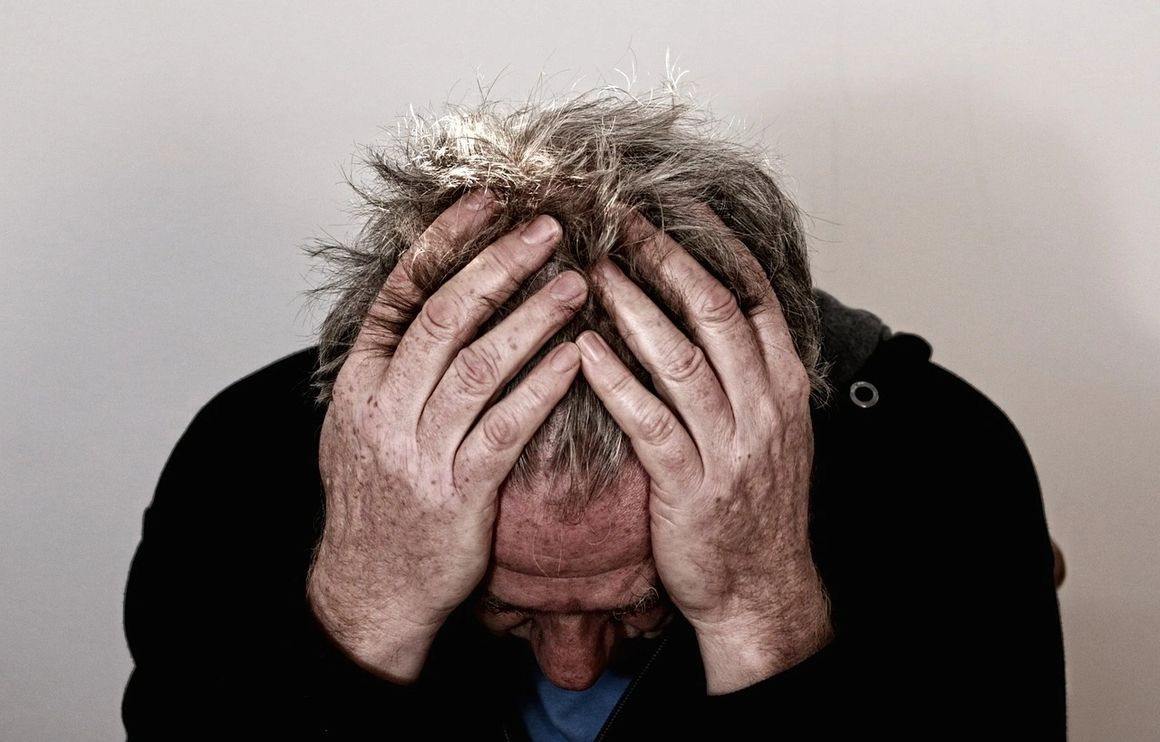
Chronic pain is one of the most common and challenging health problems faced by patients today. Unlike short-term pain that occurs after an injury or surgery, chronic pain lasts for months or even years. It can affect nearly every part of life—sleep, mood, mobility, work, and relationships. For many patients, finding safe and effective long-term relief feels frustrating and overwhelming.
This guide serves as a cornerstone overview of chronic pain: what it is, why it happens, how it affects the body and mind, and where medical cannabis may fit into a thoughtful, physician-guided treatment plan.
What Is Chronic Pain?
Chronic pain is typically defined as pain that lasts longer than 3 months or persists beyond the expected healing time. It may be constant or come and go, mild or severe, localized or widespread.
Unlike acute pain—which acts as a warning signal—chronic pain often persists even when no clear injury remains. Over time, the nervous system itself can become sensitized, meaning pain signals fire more easily and more intensely than they should.
Common descriptions of chronic pain include:
- Aching or throbbing
- Burning or tingling
- Sharp, stabbing sensations
- Tightness or stiffness
-
Deep nerve-like discomfort
Why Chronic Pain Is So Complex
Chronic pain is not just a physical problem. It is a condition involving the nervous, immune, hormonal, and brain chemical systems. Long-term pain can change how the brain processes signals, making pain feel stronger and harder to control.
Many patients with chronic pain also experience:
- Poor or fragmented sleep
- Anxiety or depression
- Fatigue and low motivation
- Reduced concentration and memory
-
Decreased physical activity
These symptoms can feed into one another, creating a cycle where pain worsens overall health, and poor health worsens pain.
Traditional Approaches to Chronic Pain
Conventional pain management often involves a combination of:
- Physical therapy and movement
- Anti-inflammatory medications
- Nerve-targeting medications
- Steroid injections or procedures
-
Opioid pain medications in select cases
While these approaches help many patients, some struggle with limited effectiveness, side effects, tolerance, or long-term safety concerns—especially with daily medication use.
This has led both patients and physicians to look more closely at alternative and adjunctive therapies, including medical cannabis.
How Medical Cannabis Relates to Chronic Pain
Medical cannabis works differently from most traditional pain medications. Instead of targeting one pathway, it interacts with the body’s endocannabinoid system—a network of receptors involved in pain signaling, inflammation, mood, sleep, and immune balance.
Cannabis does not “numb” pain in the same way opioids do. Instead, many patients report that it:
- Reduces pain intensity
- Makes pain easier to tolerate
- Improves sleep quality
- Decreases muscle tension
-
Helps with stress and anxiety related to pain
Importantly, cannabis therapy is highly individualized. The right product, dose, and balance of cannabinoids vary widely from person to person.
Chronic Pain Conditions That May Respond to Cannabis
Research and patient experience suggest that medical cannabis may be helpful for a wide range of chronic pain conditions, including:
- Chronic low back pain and herniated discs
- Arthritis and joint degeneration
- Cancer pain
- Neuropathic pain (nerve pain)
- Fibromyalgia
- Migraine and chronic headache disorders
- Musculoskeletal disorders from overuse or trauma.
- Spinal Stenosis
- Neuropathic pain from chemotherapy, diabetes, chronic nerve injury, etc.
- Complex regional pain syndrome (CRPS)
- Interstitial cystitis
- Sciatica
- Endometriosis
- Mulitple Sclerosis
- Crohn’s Disease and Other Gastrointestinal Diseases
- Lyme’s Disease
- Inflammatory pain conditions
Cannabis may be used alone or alongside other treatments, often allowing patients to reduce reliance on higher-risk medications.
Benefits Beyond Pain Relief
For many patients, the most meaningful improvements are not just lower pain scores, but better quality of life. Patients often report:
- Falling asleep more easily
- Fewer nighttime awakenings
- Improved mood and outlook
- Greater ability to move and function
-
Reduced dependence on opioids or sedatives
These secondary benefits are especially important, as untreated sleep and mood problems can significantly worsen pain over time.
Safety and Responsible Use
Medical cannabis is not risk-free, and it is not appropriate for everyone. Potential side effects may include dizziness, dry mouth, impaired concentration, or anxiety at higher doses.
That said, when used under medical supervision, cannabis has a strong safety profile compared to many long-term pain medications. Key principles include:
- Starting with low doses
- Gradual titration
- Avoiding overuse
- Monitoring for side effects
-
Regular follow-up with a physician
In chronic pain care, the goal is not intoxication—it is steady, functional relief.
A Personalized Approach Matters
There is no single solution for chronic pain. What works well for one patient may not work for another. Effective care often requires patience, education, and ongoing adjustment.
Medical cannabis works best when it is:
- Part of a broader pain management plan
- Guided by a knowledgeable clinician
- Matched to the patient’s condition and goals
-
Used thoughtfully and consistently
Looking Ahead
Chronic pain affects millions of people, yet it is often misunderstood and undertreated. As research continues and laws evolve, medical cannabis is becoming an increasingly important option in comprehensive pain care.
For patients who feel stuck between persistent pain and unwanted medication side effects, cannabis therapy may offer a safer, more balanced path forward—focused not just on pain relief, but on restoring daily function, sleep, and quality of life.
If you live with chronic pain, know that options exist, and personalized, physician-guided care can make a meaningful difference.
Disclaimer: This article is for educational purposes only and is not a substitute for professional medical advice, diagnosis, or treatment. Always consult a qualified healthcare provider with any questions about your health or medical conditions.
RETHINK
CANNABIS
, HEALTH
, WELLNESS
, COMFORT
WITH RETHINK-RX™