
Tension headaches are the most common type of headache worldwide. For many people, they are a frustrating but familiar part of life—often described as a dull, aching pressure that wraps around the head like a tight band. While they are usually not dangerous, tension headaches can significantly affect quality of life, productivity, and mood when they become frequent or chronic.
As interest in medical marijuana continues to grow, many patients ask whether cannabis may play a role in managing tension headaches. This article explores what tension headaches are, why they occur, how they are typically treated, and where medical marijuana may—or may not—fit into a thoughtful treatment plan.
What Are Tension Headaches?
Tension headaches are typically divided into two categories:
- Episodic tension headaches, which occur occasionally and may last from 30 minutes to several hours
-
Chronic tension headaches, which occur 15 or more days per month for at least three months
Unlike migraines, tension headaches usually do not cause nausea, vomiting, or severe sensitivity to light or sound. Instead, patients often describe:
- A steady, non-throbbing ache
- Pressure across the forehead, temples, or back of the head
- Tightness or tenderness in the neck, shoulders, or scalp
-
Mild to moderate pain that does not worsen with routine activity
Because the symptoms are often subtle compared to migraines, many patients simply “push through” them—sometimes for years.
What Causes Tension Headaches?
The exact cause of tension headaches is still not fully understood, but they are strongly associated with muscle tension and nervous system sensitization. Common contributing factors include:
- Emotional stress and anxiety
- Poor posture, especially prolonged screen use
- Neck and shoulder muscle strain
- Jaw clenching or teeth grinding (bruxism)
- Sleep deprivation
- Eye strain
-
Dehydration
In chronic cases, the nervous system itself may become more sensitive to pain signals, making headaches easier to trigger and harder to resolve.
Conventional Treatments for Tension Headaches
Standard treatment usually focuses on symptom relief and prevention.
Over-the-Counter Medications
Common options include acetaminophen, ibuprofen, aspirin, and naproxen. While often effective for occasional headaches, frequent use can lead to medication overuse headaches, gastrointestinal irritation, or kidney concerns.
Prescription Medications
For chronic tension headaches, physicians may prescribe antidepressants such as tricyclic antidepressants. These medications can help modulate pain pathways but may come with side effects such as dry mouth, fatigue, weight changes, or mood effects.
Non-Drug Therapies
Many patients benefit from non-pharmacologic approaches, including:
- Massage therapy
- Stress management and cognitive behavioral therapy
- Ergonomic adjustments
- Stretching and strengthening exercises
- Improved sleep hygiene
These strategies form the foundation of long-term headache management and are often underutilized.
How Medical Marijuana May Help with Tension Headaches
Medical marijuana is not a cure-all for tension headaches, but it may offer symptom relief for some patients—particularly those whose headaches are closely linked to stress, muscle tension, or poor sleep.
Pain Modulation
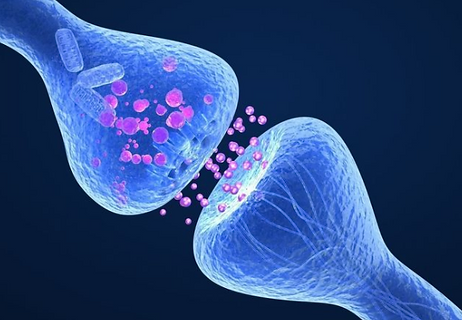
Cannabinoids such as THC and CBD interact with the body’s endocannabinoid system, which plays a role in pain perception. By influencing these pathways, cannabis may help reduce the intensity of headache pain in some individuals.
Muscle Relaxation
Muscle tightness in the neck and shoulders is a common trigger for tension headaches. Certain cannabis formulations may promote muscle relaxation, which can indirectly ease headache symptoms.
Stress and Anxiety Reduction
Stress is one of the most common drivers of tension headaches. CBD-dominant or balanced THC:CBD products may help some patients feel calmer and less reactive to stressors, potentially reducing headache frequency.
Sleep Improvement
Poor sleep both triggers and worsens headaches. Medical marijuana, when used appropriately, may help some patients fall asleep more easily or maintain better sleep quality—an important factor in headache prevention.
THC vs. CBD for Tension Headaches
Understanding the difference between THC and CBD is essential when considering cannabis therapy.
THC (Tetrahydrocannabinol)
THC is the psychoactive component of cannabis. It may provide stronger pain relief and muscle relaxation, but it can also cause side effects such as dizziness, anxiety, impaired focus, or sedation—especially at higher doses.
CBD (Cannabidiol)
CBD is non-intoxicating and is often better tolerated. It may help with inflammation, stress, and sleep without producing a “high.” Many patients with tension headaches prefer CBD-dominant products for daytime use.
Balanced Products
Some patients find the best results with low-dose THC combined with CBD, allowing for symptom relief while minimizing unwanted effects. Individual response varies widely.
Methods of Use: What to Consider
The way medical marijuana is used can significantly affect both benefits and risks.
- Oral products (capsules, tinctures, edibles): Longer-lasting effects but slower onset
- Sublingual tinctures: More predictable absorption and easier dose control
- Topicals: May help with localized neck and shoulder tension, but do not treat headaches directly
-
Inhalation: Faster onset but not ideal for all patients, especially those with lung conditions
For tension headaches, many patients benefit from low-dose, non-inhaled options that support steady symptom control rather than rapid intoxication.
Safety and Limitations
Medical marijuana is not appropriate for everyone. Important considerations include:
- Cannabis may worsen anxiety in some individuals
- Overuse can lead to tolerance or dependence
- Cognitive side effects may interfere with work or driving
-
Cannabis should not replace evaluation for new, severe, or changing headache patterns
Patients with frequent headaches should always be evaluated to rule out secondary causes before starting cannabis therapy.
A Balanced, Patient-Centered Approach
For tension headaches, medical marijuana should be viewed as one tool among many, not a standalone solution. The most successful treatment plans often combine:
- Stress reduction strategies
- Physical therapy or posture correction
- Sleep optimization
- Judicious use of medications or supplements
-
Careful, physician-guided cannabis use when appropriate
When used thoughtfully and at low doses, medical marijuana may help certain patients reduce headache burden, improve sleep, and regain daily function—without relying solely on traditional pain medications.
Final Thoughts
Tension headaches are common, often underestimated, and deeply tied to modern lifestyles. While conventional treatments remain important, medical marijuana may offer additional support for selected patients, particularly those struggling with stress-related muscle tension and sleep disruption.
As with any therapy, individualized care matters. Patients considering medical marijuana for tension headaches should work with a knowledgeable healthcare professional to ensure safe dosing, realistic expectations, and integration into a broader, evidence-based treatment plan.
This information is for educational purposes only and does not replace personalized medical advice. Always consult a qualified healthcare provider before starting or changing any treatment.

Dr. Nicholas Marsh is board-certified by the American Board of Anesthesiologists and has over 37 years of healthcare experience. Recognized by FindaTopDoc.com for clinical excellence, he now focuses on educating, supporting, and certifying patients for medical cannabis.