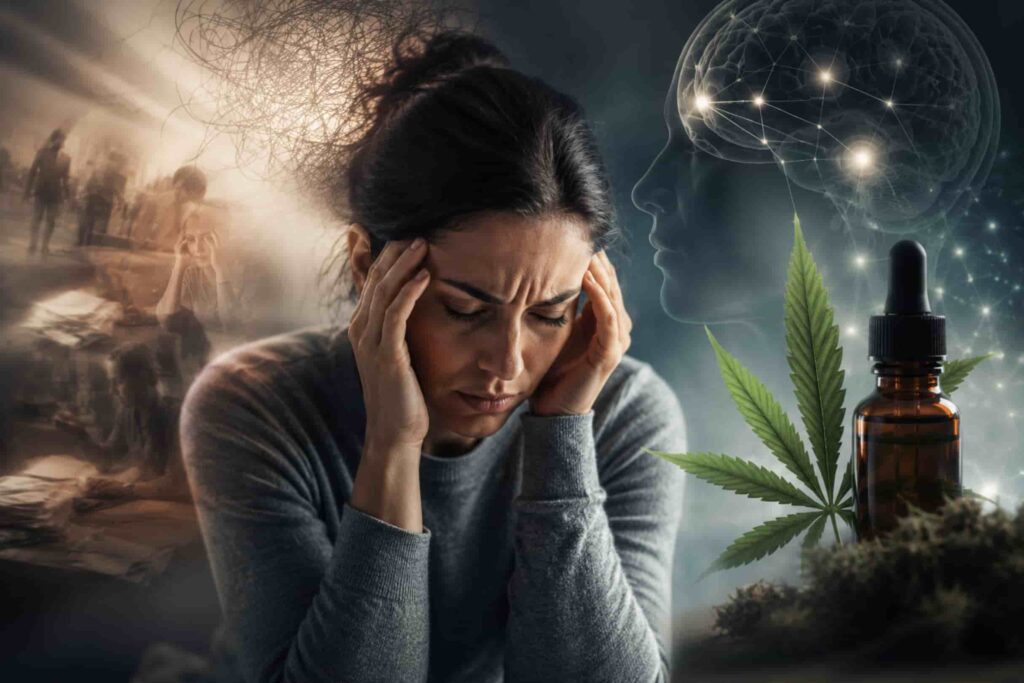
Stress is a natural part of life, but chronic stress can take a serious toll on both mental and physical health. Persistent stress can contribute to anxiety, depression, sleep disturbances, high blood pressure, and even chronic pain. While traditional strategies—such as therapy, mindfulness practices, exercise, and medications—can be effective, many individuals are exploring medical marijuana as a complementary approach to managing stress.
At ReThink-Rx, we guide patients in understanding how medical cannabis can support stress management safely and effectively. This article explores how medical marijuana interacts with the body, the research on its effects, consumption methods, safety considerations, and how it fits into a holistic approach to stress management.
How Medical Marijuana Affects Stress
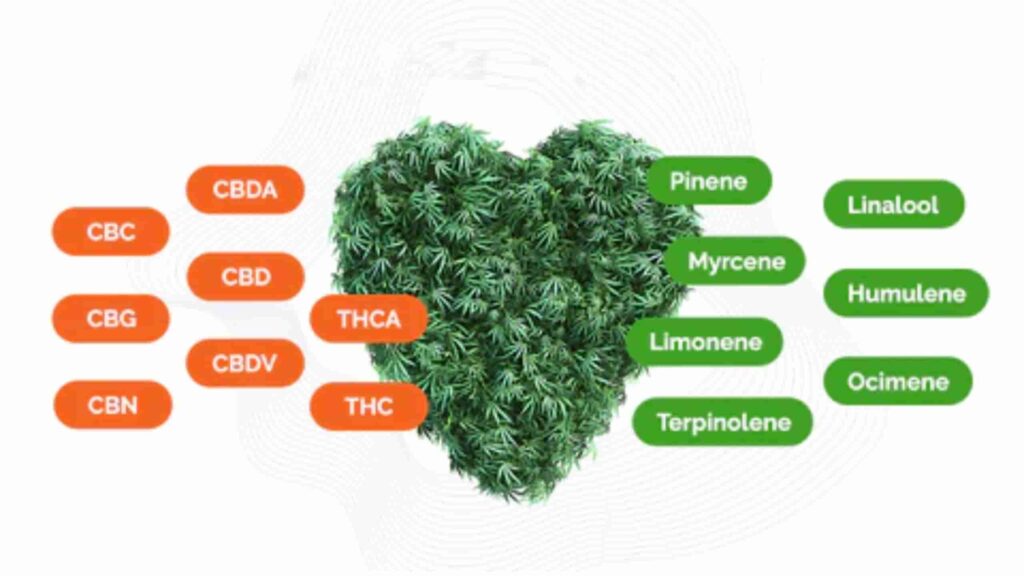
Medical marijuana contains cannabinoids, primarily THC (tetrahydrocannabinol) and CBD (cannabidiol), which interact with the endocannabinoid system (ECS). The ECS regulates mood, anxiety, sleep, and stress response—key factors in overall mental health.
-
THC: Can induce relaxation and a sense of calm, helping to temporarily reduce the perception of stress. However, high doses may sometimes increase anxiety or paranoia in sensitive individuals.
-
CBD: Non-psychoactive and widely studied for its anxiolytic (anxiety-reducing) properties. CBD may help reduce stress by modulating the nervous system and promoting balance in brain signaling.
By influencing the ECS, cannabinoids can help the body manage stress responses more effectively, potentially improving mood, sleep, and overall well-being.
Evidence Supporting Medical Marijuana for Stress
Scientific research on cannabis for stress is growing, though much of it focuses on anxiety and mood disorders. Key findings include:
-
Reduction in Anxiety and Tension: Studies suggest that low to moderate doses of THC or CBD can reduce physiological and psychological symptoms of stress, including racing heart, muscle tension, and irritability.
-
Improved Sleep Quality: Chronic stress often disrupts sleep, creating a vicious cycle. Cannabis may promote relaxation and improve sleep onset and duration.
-
Enhanced Mood: CBD and balanced THC:CBD products may support a more stable mood and resilience to stressors.
-
Complement to Therapy: Some patients report improved outcomes when using cannabis alongside mindfulness, cognitive behavioral therapy (CBT), or other stress-reduction techniques.
It is important to note that excessive use, particularly of high-THC strains, can worsen anxiety or create dependence. Medical supervision is critical to achieving the right balance.
Methods of Consumption

The method of consumption significantly affects how quickly and effectively cannabis alleviates stress:
-
Sublingual tinctures: Absorbed under the tongue for rapid effects, often within 15–45 minutes, and avoid respiratory irritation.
-
Oral ingestion (capsules, edibles): Longer-lasting effects, ideal for all-day stress management. Onset is slower, usually 30 minutes to 2 hours.
-
Vaporization: Offers fast relief with minimal respiratory risks compared to smoking.
-
Topicals: Applied to tense muscles for localized relaxation, though they have minimal systemic effects.
At ReThink-Rx, we help patients select delivery methods tailored to their lifestyle and stress patterns.
Potential Benefits of Medical Cannabis for Stress
Medical cannabis may provide several advantages for individuals struggling with chronic stress:
-
Calm and Relaxation: THC and CBD can reduce feelings of tension and nervous system overactivity.
-
Sleep Support: Relaxation and reduced anxiety may lead to better sleep quality.
-
Mood Regulation: CBD, in particular, supports emotional balance and resilience to stressors.
-
Reduced Physical Symptoms: Cannabis may ease muscle tension, headaches, or gastrointestinal discomfort associated with stress.
These benefits can complement traditional stress management strategies, helping patients regain control over their mental and physical well-being.
Safety Considerations and Side Effects
Medical marijuana is generally safe when used responsibly, but it is important to consider potential side effects:
-
Drowsiness or fatigue
-
Dry mouth
-
Lightheadedness or dizziness
-
Mood changes, particularly with high THC doses
Excessive use can sometimes increase anxiety or cause dependency. Cannabis can also interact with certain medications, including antidepressants and blood pressure medications. A professional evaluation ensures safety and effectiveness.
Tailoring Cannabis Therapy for Stress
Effective stress management with cannabis requires a personalized approach:
-
THC vs. CBD ratios: High-CBD or balanced THC:CBD products are typically safer and better for stress management.
-
Dosage and timing: Smaller doses may be more effective for reducing anxiety without causing psychoactive effects.
-
Delivery method: Sublingual tinctures or edibles are often preferred for consistent effects.
-
Lifestyle integration: Cannabis works best alongside therapy, mindfulness, exercise, and healthy sleep habits.
A customized plan helps patients achieve stress relief while minimizing side effects or dependency risk.
Legal Considerations in Virginia
Virginia law allows residents with qualifying medical conditions to access medical cannabis under physician supervision. While stress itself is not a qualifying condition, patients with anxiety, sleep disorders, or related issues may qualify. Requirements include:
-
Residency in Virginia
-
A documented qualifying medical condition
-
Evaluation by a certified medical cannabis physician
Approved patients can purchase medical cannabis at state-licensed dispensaries. Working with reputable providers like ReThink-Rx ensures proper guidance on dosing, strain selection, and safe use.
Complementary Strategies for Managing Stress
Medical cannabis is most effective when used alongside other stress management strategies:
-
Therapy and counseling: CBT, talk therapy, or stress-reduction counseling can enhance results.
-
Mindfulness practices: Meditation, yoga, or deep breathing exercises reduce nervous system overactivity.
-
Physical activity: Regular exercise helps regulate mood and reduce physiological stress.
-
Sleep hygiene: Maintaining consistent sleep patterns enhances relaxation and resilience.
-
Nutrition: Balanced diets and reducing stimulants like caffeine support stress management.
Integrating cannabis therapy with these approaches often yields the best outcomes for overall wellness.
Final Thoughts
Chronic stress can affect every aspect of life, but medical marijuana may provide a complementary tool to manage tension, improve sleep, and support mood regulation. When used responsibly under medical supervision, cannabinoids like THC and CBD can help patients feel calmer, more balanced, and better equipped to handle life’s challenges.
At ReThink-Rx, we guide patients through the nuances of medical cannabis therapy, providing personalized recommendations for safe and effective stress management. Consulting a certified physician is the first step toward incorporating cannabis responsibly into your stress-relief strategy.
Disclaimer: This article is for educational purposes only and is not a substitute for professional medical advice, diagnosis, or treatment. Always consult a qualified healthcare provider with any questions about your health or medical conditions.

Dr. Marsh, is a board-certified anesthesiologist with over 37 years of healthcare experience. A graduate of Syracuse University, the New York College of Osteopathic Medicine, and Rutgers University Medical School, he has earned recognition from FindaTopDoc.com for clinical excellence. Dr. Marsh founded ReThink-Rx in 2021, where he now focuses on educating, supporting, and certifying patients for medical cannabis.