
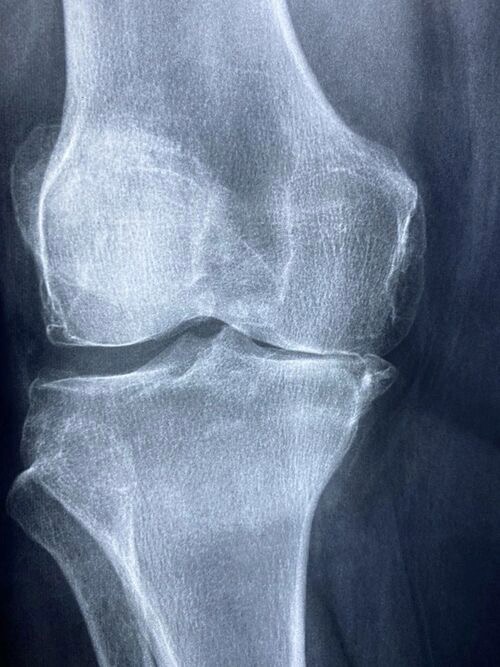
Cannabis: Powerful Anti-inflammatory and Pain-reliever
MEDICAL MARIJUANA AND ARTHRITIS
The Institutes of Medicine claim the impressive anti-inflammatory properties of cannabinoids may reduce or prevent the pain caused by arthritis.
Arthritis Pain is a Personal Struggle
Your ReThink-Rx™ Doctor Will Help
Arthritis is one of the leading causes of chronic pain and reduced mobility, affecting millions of adults across all age groups. While many people think of arthritis as simple “wear and tear,” it actually refers to a broad group of conditions that affect the joints in very different ways. Pain, stiffness, swelling, and loss of function are common across these conditions, but the underlying causes can vary widely. As patients search for better symptom control with fewer side effects, interest in medical marijuana as a supportive treatment for arthritis continues to grow.
Understanding the different types of arthritis
Arthritis is an umbrella term that includes more than 100 distinct conditions. Some of the most common forms include:
Osteoarthritis (OA):
The most prevalent type of arthritis, osteoarthritis, is caused by the gradual breakdown of cartilage within joints. It commonly affects the knees, hips, hands, and spine. Pain and stiffness often worsen with activity and improve with rest, though advanced disease can cause constant discomfort.
Rheumatoid arthritis (RA):
Rheumatoid arthritis is an autoimmune condition in which the immune system attacks the lining of the joints. This leads to inflammation, swelling, and progressive joint damage. RA often affects both sides of the body and may also cause fatigue, fever, and systemic symptoms.
Psoriatic arthritis:
Associated with psoriasis, this form of inflammatory arthritis can affect joints, tendons, and the spine. Symptoms vary widely and may include joint pain, swelling, morning stiffness, and changes in nails or skin.
Ankylosing spondylitis and spondyloarthropathies:
These conditions primarily affect the spine and sacroiliac joints, causing chronic back pain and stiffness, especially in younger adults. Over time, inflammation can limit flexibility and posture.
Gout:
Gout is caused by the buildup of uric acid crystals in joints, leading to sudden, severe attacks of pain, redness, and swelling. Attacks often affect the big toe but can involve other joints.
Other musculoskeletal conditions:
Painful arthritis can accompany other conditions, such as Mixed Connective Tissue Disorder, Ehlers-Danlos Syndrome, osteoporosis, herniated disc disease, and chronic low back syndrome.
Each of these conditions presents unique challenges, and detailed treatment approaches vary. This overview introduces how medical marijuana may play a supportive role across different forms of arthritis, with more detailed discussions available for each diagnosis.
Limitations of traditional arthritis treatments
Standard arthritis management often includes NSAIDs, corticosteroids, disease-modifying drugs, and pain medications. While these treatments can be effective, long-term use may be limited by side effects such as:
- Stomach irritation or bleeding
- Cardiovascular risk
- Immune suppression
- Organ strain
Incomplete pain control
For some patients, these limitations lead to persistent pain, disrupted sleep, and reduced quality of life despite appropriate medical care.
Why medical marijuana is often considered
Medical marijuana interacts with the endocannabinoid system, which helps regulate pain signaling, inflammation, immune responses, mood, and sleep. Cannabinoid receptors are found in joints, nerve pathways, and immune cells involved in arthritis-related inflammation.
Rather than targeting a single pathway, cannabis may influence several contributors to arthritis symptoms at once. This broader regulatory effect makes it an appealing complementary option for chronic joint conditions.
Arthritis symptoms cannabis may help address
Medical marijuana is not a cure for arthritis, but some patients report improvement in symptoms that interfere with daily life, including:
- Chronic joint pain: Both degenerative and inflammatory joint pain may be affected by cannabinoids that alter pain perception.
- Inflammation and swelling: Certain cannabinoids may help reduce immune-driven inflammation, particularly in autoimmune forms of arthritis.
- Muscle tension around joints: Muscle guarding and stiffness can worsen joint pain and limit mobility.
- Sleep disruption: Pain-related insomnia is common in arthritis and can amplify daytime pain and fatigue.
Stress and mood changes: Chronic pain often contributes to anxiety or low mood, which can further intensify symptoms.
Improvement in sleep or stress alone can significantly improve overall pain tolerance.
THC, CBD, and topical options
THC and CBD play different roles in arthritis care. THC may reduce pain, relax muscles, and improve sleep, but higher doses can cause dizziness or sedation. CBD does not cause intoxication and is valued for its anti-inflammatory and calming effects.
Topical cannabis products containing THC, CBD, or both are commonly used for arthritis affecting specific joints. These products may provide localized relief with minimal systemic effects, making them appealing for hands, knees, shoulders, and other accessible joints.
Strains, terpenes, and personalization
While cannabinoid and terpene profiles are more predictive than strain names alone, many patients find that indica-dominant or pain-focused hybrid strains provide greater body relaxation and comfort. Terpenes such as myrcene, beta-caryophyllene, and linalool may contribute to pain relief and anti-inflammatory effects.
A supportive tool within a larger plan
Medical marijuana should be viewed as one part of a comprehensive arthritis management strategy that includes physical activity, joint protection, weight management, and appropriate medical care.
This article serves as an introduction to how medical marijuana may support patients with arthritis. More detailed articles on osteoarthritis, rheumatoid arthritis, psoriatic arthritis, gout, and other forms of arthritis explore symptom patterns, product selection, and safety considerations in greater depth, helping patients make informed, individualized decisions.
Disclaimer: This article is for educational purposes only and is not a substitute for professional medical advice, diagnosis, or treatment. Always consult a qualified healthcare provider with any questions about your health or medical conditions.

RETHINK
CANNABIS
, HEALTH
, WELLNESS
, COMFORT
WITH RETHINK-RX™