
Some big news just came out about medical cannabis—and for cannabis patients, it’s great news. The federal government plans to move cannabis from Schedule I to Schedule III. That may sound like boring law stuff, but this change could help patients in many real ways.
In simple terms, the government is now acknowledging:
👉 Cannabis can be a helpful medicine.
👉 Cannabis is not as dangerous as they once claimed.
At ReThink-Rx, for the past four years, we have focused on the medical use of cannabis for patients. This change in federal law now aligns more closely with what our patients and doctors have seen for years—and it may make care more affordable, easier, and safer, especially for patients in Virginia.
What Changed—and Why It Matters
Before this change, cannabis was in Schedule I of the Controlled Substances Act
That group was for drugs the federal government said:
- Had no known medical use
-
Were very dangerous (high risk of dependence and low safety margin)
The federal government treated cannabis as if it couldn’t help anyone, which made no sense to the millions of patients who were already finding relief. It also did not align with the thousands of high-quality scientific research reports in support of cannabis.
Now, cannabis is moving to Schedule III, which is for drugs that:
- Do help patients
- Are often less risky than the alternatives
-
Can be used with a doctor’s guidance
This one change affects many other parts of life, not just medicine. For example:
1. Lower Costs for Patients
Right now, medical cannabis can be expensive. One reason is that cannabis businesses have faced undue federal taxes and costs.
With Schedule III:
- Businesses may now pay less in taxes
- Operating costs may go down
- Product pricing may improve
This could mean:
- Lower prices at dispensaries
- More affordable long-term treatment
-
Better access for patients on fixed incomes
This won’t happen overnight—but before this change, reducing patient costs was nearly impossible.
2. Better Access to Medical Cannabis Care
When cannabis was Schedule I:
- Some doctors avoided it
- Some clinics wouldn’t discuss it
-
Some patients felt judged or ignored
Now that the government says cannabis has medical value:
- More doctors may feel comfortable helping patients
- Medical cannabis may fit better into regular healthcare
-
Patients may get better guidance instead of simply guessing
This should allow patients to use cannabis more safely and more effectively.
3. Insurance, Disability, and Other Government Benefits
Many patients worry that using medical cannabis could cause problems with things like:
- Health insurance
- Disability benefits
- Social Security
-
Housing programs
This change in law helps because cannabis is no longer labeled as “medically useless.”
Over time, Schedule III status may:
- Make insurance coverage more possible
- Reduce fear of losing government benefits
-
Encourage government programs to treat medical cannabis patients more fairly
This does NOT mean:
- Insurance will pay for cannabis right away
-
Rules change instantly
But it opens the door for better treatment of patients who rely on government support.
4. Fewer Legal Worries for Patients
Some patients worry that using medical cannabis could cause legal trouble in other areas of life. Under federal law, the Schedule I designation has caused problems for gun owners, commercial drivers, pilots, and others, even patients using cannabis legally under state law.
Schedule III does not fix everything, but it may:
- Reduce how harshly the legal system views medical cannabis use
- Support future changes to unfair rules
-
Lessen the risk of patients being treated like criminals
This is still a complicated area of law—but moving cannabis out of Schedule I is a step in the right direction.
5. More Research Means Better Medicine
Schedule I made it very hard for scientists to study cannabis.
Now, with Schedule III:
- Scientists can study cannabis more easily
- Doctors can learn what works best
-
Patients can get more precise answers
This means:
- Safer dosing
- Better management of side effects
-
Better long-term care
Good research leads to better medicine, plain and simple.
What This Change Does NOT Do
Even with all these benefits, it’s essential to be realistic.
This change:
- ❌ Does not make cannabis legal federally
- ❌ Does not instantly change insurance rules
- ❌ Does not replace state medical laws
-
❌ Does not mean cannabis is risk-free
Patients still need:
- Medical guidance
- Responsible use
-
Compliance with state marijuana laws
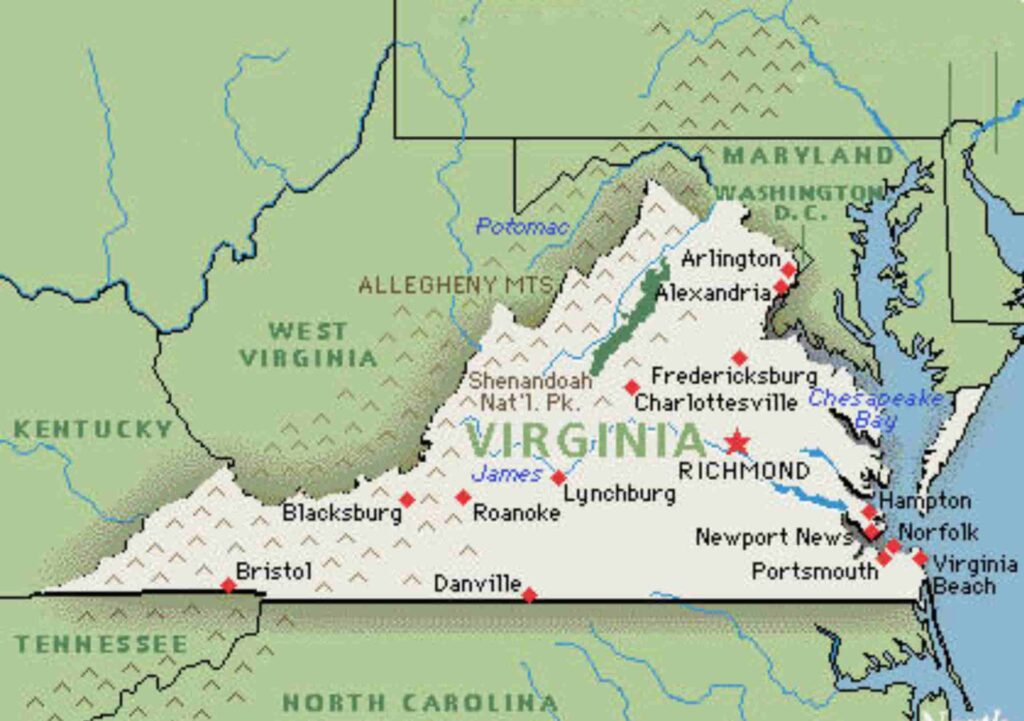
What This Means for Virginia Patients
If you live in Virginia:
- Your medical cannabis access stays the same. You must still use state-authorized dispensaries.
- Medical certification is still required. Make sure your medical card is current.
-
State laws still apply.
But this change may:
- Improve long-term patient protections
- Encourage more medical providers to help
- Reduce stigma in healthcare settings
- Reduce the costs of cannabis products
At ReThink-Rx, this change supports our long-standing mission:
- Patient safety first and foremost
- Medical recommendations based on sound science
- Honest patient education and support
-
Expert guidance by seasoned practitioners
Frequently Asked Questions
Will cannabis be cheaper now?
Not right away, but this change may lower costs over time.
Will insurance now cover medical cannabis?
Not yet—but this makes it more possible in the future.
Could this protect my Social Security or housing benefits?
It may help reduce risk and stigma, but rules still vary.
Is cannabis now safe for everyone?
While cannabis can help many patients, there are still limitations. Expert medical guidance still matters.
What Patients Should Do Now
- Stay informed
- Talk openly with your healthcare provider
- Follow Virginia medical cannabis laws
- Use cannabis responsibly and for health reasons
- Make sure your Virginia medical card is up-to-date (Need to update? CLICK HERE)
Final Thoughts
Moving cannabis to Schedule III is not just a legal change—it’s a patient win. Most importantly, it tells patients:
👉 You matter.
👉 Your treatment and relief matters.
👉 Medical cannabis is a legitimate medical option.
For patients, this is about:
- Recognition instead of dismissal
- Science instead of stigma
- Compassion instead of judgement
Reclassifying cannabis from Schedule I to Schedule III doesn’t solve everything—but it changes the direction of the conversation. A meaningful step toward a future where cannabis is treated like what millions of patients already know it to be: a legitimate medical tool when used responsibly, and for the right reasons.

Dr. Nicholas Marsh is board-certified by the American Board of Anesthesiologists and has over 37 years of healthcare experience. Recognized by FindaTopDoc.com for clinical excellence, he now focuses on educating, supporting, and certifying patients for medical cannabis.