Medical cannabis tinctures are becoming more popular with patients looking for safe, reliable relief. They’re easy to use, fast-acting, and offer precise control over how much medicine you take. But if you’re new to tinctures—or just trying to fine-tune your dosage—it can feel a little confusing. How much should you take? How long does it take to work? And how do you know when you’ve found the right dose?
Don’t worry. In this guide, we’ll break down everything you need to know about dosing medical cannabis tinctures. By the end, you’ll feel confident, informed, and ready to get the most from your treatment.
What Is a Cannabis Tincture?
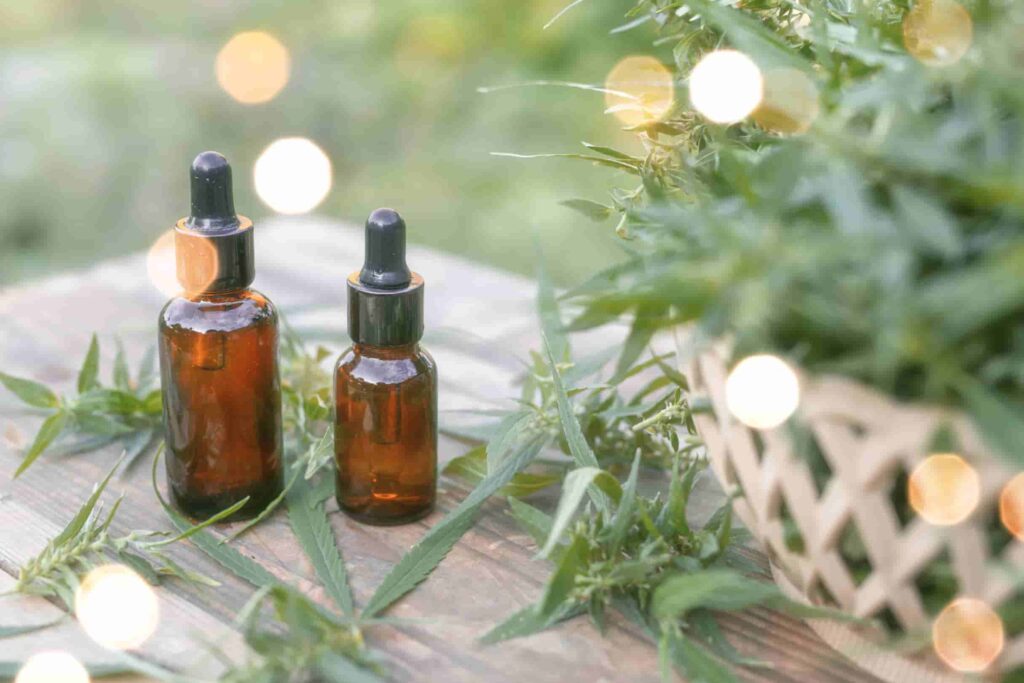
A tincture is a liquid form of medical cannabis. It’s made by soaking cannabis flower in alcohol or oil to extract the cannabinoids like THC (tetrahydrocannabinol) and CBD (cannabidiol). These active ingredients are then suspended in a carrier liquid like coconut oil or ethanol, creating a product that’s easy to dose with a dropper.
Tinctures are usually taken sublingually—meaning you place a few drops under your tongue. This allows the medicine to enter your bloodstream quickly, often within 15 to 30 minutes. You can also swallow tinctures or mix them into food or drinks, although this method takes longer to take effect, usually about an hour or more.
Why Choose a Tincture?
Medical cannabis tinctures offer many benefits, especially for patients who want consistency and discretion. Here are a few reasons you might choose a tincture:
- Fast-acting relief when used under the tongue
- No smoke or vapor, making it easier on the lungs
- Precise dosing with clearly marked droppers
- Discreet and portable, easy to take with you
-
Long shelf life if stored properly
Whether you’re managing chronic pain, anxiety, insomnia, or another medical condition, tinctures can be a flexible and effective option.
Understanding Cannabinoid Ratios
Before you start dosing, it helps to know what’s in your tincture. Different tinctures have different cannabinoid profiles:
- High-THC tinctures are often used for pain, nausea, muscle spasms, and appetite loss. THC is psychoactive, so it may cause a “high” in higher doses.
- High-CBD tinctures are more commonly used for anxiety, inflammation, and seizures. CBD is non-intoxicating.
-
Balanced THC:CBD tinctures offer the benefits of both, with less chance of strong psychoactive effects.
Always read the label or ask your dispensary about the cannabinoid content in your tincture. Ratios like 1:1, 10:1, or 20:1 (CBD:THC) give you a clue about the effects you might expect.
Step-by-Step Guide to Dosing Your Cannabis Tincture
Let’s walk through how to safely and effectively dose your medical cannabis tincture. Remember: “Start low and go slow” is the golden rule.
1. Know Your Tincture’s Strength
First, find out how many milligrams (mg) of THC and CBD are in each milliliter (mL) of the tincture. This information should be listed on the bottle. For example:
- A 30 mL bottle may contain 600 mg of THC total.
-
That means each 1 mL dropper has 20 mg of THC (600 ÷ 30 = 20).
Some droppers are marked in fractions like 0.25, 0.5, 0.75, and 1 mL, which makes it easier to measure smaller doses.
If your tincture has both THC and CBD, note the mg of each per mL. For example, a 1:1 tincture might contain 10 mg of THC and 10 mg of CBD per mL.
2. Decide Where to Start
New to cannabis? Start with 1 to 2.5 mg of THC per dose. If your tincture is strong (e.g., 20 mg THC per mL), you’ll only need 0.05 to 0.125 mL to start—that’s just a few drops.
If your tincture is CBD-dominant, you can usually start with a slightly higher dose (5 to 10 mg of CBD) since it’s non-intoxicating.
If you’ve used cannabis before, you might feel comfortable starting with a 5 to 10 mg dose of THC, especially in a balanced formula with CBD.
3. Use the Sublingual Method
For faster effects, place the tincture under your tongue and hold it there for at least 60 seconds before swallowing. This allows the cannabinoids to absorb through the mucous membranes in your mouth and enter your bloodstream quickly.
4. Wait and Observe
After taking your dose, wait at least 1 to 2 hours to see how you feel—especially if it’s your first time or you’re taking a new tincture. Don’t rush to take more. The effects can build gradually, and you don’t want to overdo it.
If you take the tincture with food or swallow it right away, the onset may be delayed. In that case, wait 2 to 3 hours before deciding if you need more.
5. Adjust Gradually
If you didn’t feel much with your first dose, increase by small increments—about 1 to 2 mg at a time—every 24 to 48 hours. This helps you find the lowest effective dose, minimizing side effects while still getting relief.
Be patient. It can take several days or even weeks to find your “sweet spot.”
Sample Dosing Schedule for Beginners
Here’s an example of how a new cannabis patient might ease into tincture use:
| Day | Dose (THC) | Notes |
|---|---|---|
| 1 | 1 mg | Mild effects, no high |
| 3 | 2 mg | Slight relaxation |
| 5 | 3 mg | More noticeable relief |
| 7 | 4 mg | Ideal dose found? Evaluate sleep, pain, mood |
| 9 | 5 mg | Only increase if needed |
This slow approach reduces the risk of side effects and helps you better understand how your body responds.
What If You Take Too Much?
If you accidentally take too much THC, don’t panic. While uncomfortable, it’s not dangerous. Common signs of overconsumption include:
- Anxiety or paranoia
- Fast heart rate
- Dizziness or confusion
- Nausea
-
Feeling too “high” or out of control
If this happens, try the following:
- Lie down and breathe slowly.
- Drink water or chew on black peppercorns (they contain terpenes that may reduce THC’s effects).
- Take CBD if you have it—it can help counteract THC.
-
Rest. The effects will wear off in a few hours.
If symptoms are severe or persistent, contact your doctor or seek medical attention.
Tips for Safe and Successful Dosing
- Keep a journal of your doses, effects, and timing. This helps track what works.
- Dose at home until you know how cannabis affects you. Don’t drive or operate machinery until you’re confident.
- Store your tincture safely, out of reach of children and pets.
- Shake well before use to evenly distribute the cannabinoids.
-
Ask your cannabis provider for guidance if you’re unsure about dosing.
Dosing for Specific Conditions
Every patient is different, but here are some general suggestions based on common medical uses:
- Pain: Often responds well to low or moderate doses of THC with CBD. Balanced ratios (1:1 or 2:1 CBD:THC) may provide relief without strong intoxication.
- Anxiety: High-CBD, low-THC tinctures are typically best. Too much THC can make anxiety worse.
- Sleep: A bit more THC at bedtime can help, especially in combination with calming terpenes like myrcene or linalool.
-
Inflammation: CBD is your friend here. Consistent daily dosing may reduce inflammation over time.
Remember, these are just guidelines. Work closely with your cannabis physician to tailor your plan.
Final Thoughts
Medical cannabis tinctures offer a reliable and effective way to manage many health conditions—but the key to success lies in understanding your product and dosing carefully. Start with a low dose, go slow, and listen to your body.
Dosing isn’t one-size-fits-all. What works for one patient may be too much or too little for another. With time, patience, and good communication with your healthcare provider, you can find the amount that brings you relief without unwanted side effects.
If you’re unsure where to begin, ReThink-Rx is here to help. Our experienced cannabis physicians can guide you through every step of your treatment journey—starting with how to dose your tincture safely and effectively.
Disclaimer: This article is for informational purposes only and is not a substitute for medical advice. Always consult with a licensed healthcare provider before starting or changing your cannabis treatment.

Dr. Nicholas Marsh is board-certified by the American Board of Anesthesiologists and has over 37 years of healthcare experience. Recognized by FindaTopDoc.com for clinical excellence, he now focuses on educating, supporting, and certifying patients for medical cannabis.