
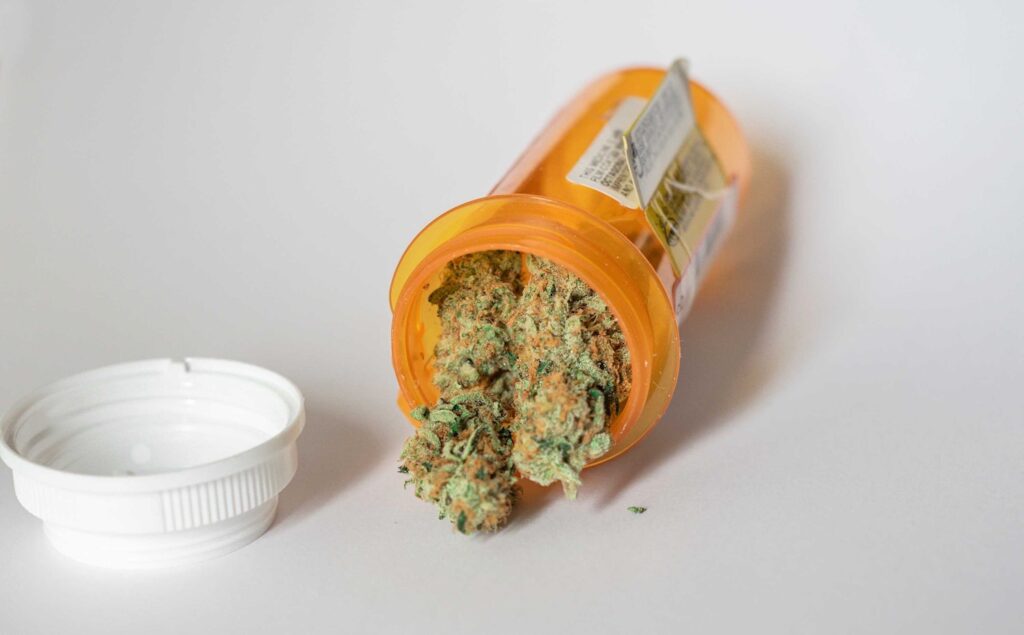
Cannabis Helps Against Crohn’s Disease
Medical Marijuana for Crohn’s Disease
Crohn’s disease is a chronic inflammatory bowel disease that affects the gastrointestinal tract. It is an autoimmune disease, meaning that the body’s immune system attacks its own tissues.
Crohn’s Disease: A Personal Struggle
Your ReThink-Rx™ Doctor Will Help
Crohn’s disease is a chronic inflammatory bowel disease (IBD) that can significantly affect daily life. It causes inflammation anywhere along the digestive tract, most commonly in the small intestine and colon, leading to ongoing symptoms that can be unpredictable and exhausting. While modern treatments have improved disease control for many patients, symptoms often persist despite appropriate medical therapy. As a result, interest in medical marijuana as a supportive option for symptom management in Crohn’s disease continues to grow.
Understanding Crohn’s disease and its challenges
Crohn’s disease is an immune-mediated condition in which the body’s immune system mistakenly attacks the gastrointestinal tract. The disease often follows a relapsing and remitting course, with periods of flare-ups and periods of relative calm. Common symptoms include:
- Abdominal pain and cramping
- Chronic diarrhea
- Urgency and bowel frequency
- Nausea or vomiting
- Fatigue and weakness
Weight loss and poor appetite
Over time, inflammation can lead to complications such as strictures, fistulas, and malnutrition. Even when inflammation is controlled on imaging or lab tests, many patients continue to struggle with pain, bowel symptoms, sleep disruption, and reduced quality of life.
Limitations of conventional treatments
Standard Crohn’s disease treatment focuses on reducing inflammation and suppressing abnormal immune activity. This often includes aminosalicylates, corticosteroids, immunomodulators, and biologic therapies. While these medications are essential for controlling disease activity, they may not fully address symptoms and can come with side effects such as:
- Increased infection risk
- Bone loss or weight gain from steroids
- Fatigue or nausea
Incomplete relief of pain or bowel symptoms
Because Crohn’s disease is lifelong, patients often seek additional tools to help manage symptoms and maintain function between flares.
Why medical marijuana is being considered
Medical marijuana interacts with the endocannabinoid system, which plays a role in regulating gut motility, immune responses, inflammation, pain perception, and stress. Cannabinoid receptors are present throughout the gastrointestinal tract and immune system, making them relevant targets in inflammatory bowel disease.
Rather than replacing standard Crohn’s therapies, cannabis is most often considered as a complementary approach aimed at symptom control and improved quality of life. Its broad regulatory effects may help address multiple symptoms at once.
Crohn’s symptoms cannabis may help address
Medical marijuana is not a cure for Crohn’s disease and has not been shown to reliably induce long-term remission. However, many patients report improvement in symptoms that interfere with daily living, including:
- Abdominal pain and cramping: Cannabinoids may reduce pain signaling within the gut and nervous system.
- Diarrhea and bowel urgency: Some patients report reduced bowel frequency and improved control.
- Nausea and appetite loss: Cannabis is well known for its anti-nausea and appetite-stimulating effects.
- Sleep disruption: Pain, cramping, and nighttime bowel symptoms often interfere with sleep.
Stress and anxiety: Chronic gastrointestinal symptoms can create ongoing psychological strain, which may worsen flares.
Symptom relief in these areas can significantly improve daily comfort, even when underlying inflammation remains present.
THC and CBD: different roles in Crohn’s care
THC and CBD affect Crohn’s symptoms in different ways, and patients may respond better to one or a combination of both.
THC is known for its pain-relieving, anti-nausea, appetite-stimulating, and sleep-supporting effects. In low to moderate doses, it may reduce abdominal discomfort and improve nutritional intake. However, higher doses can cause dizziness, anxiety, or cognitive impairment, particularly in sensitive individuals.
CBD does not cause intoxication and is valued for its anti-inflammatory and calming properties. Some patients prefer CBD-dominant products for daytime symptom control without impairment. CBD may also help balance some of THC’s psychoactive effects when used together.
Delivery methods and dosing considerations
For Crohn’s disease, non-inhaled delivery methods are often preferred. Tinctures, capsules, oils, and carefully dosed edibles allow more consistent absorption and longer-lasting effects. These options may be easier on the gastrointestinal system compared to smoking, which some patients find irritating.
As with all cannabis therapy, starting with low doses and increasing slowly is essential. Digestive sensitivity, body weight, symptom severity, and concurrent medications all influence response.
Safety and realistic expectations
Medical marijuana should be used thoughtfully in Crohn’s disease. It should not replace disease-modifying therapies prescribed by a gastroenterologist, as uncontrolled inflammation can lead to serious complications. Cannabis may mask symptoms without addressing active disease, making regular medical follow-up critical.
Patients with a history of severe anxiety, psychosis, or substance misuse require additional caution. Open communication with healthcare providers helps ensure safe and appropriate use.
A supportive option within comprehensive care
Medical marijuana may offer meaningful symptom relief for some patients living with Crohn’s disease, particularly for pain, appetite loss, nausea, sleep disruption, and stress. When used responsibly and under medical guidance, it can serve as a supportive tool alongside conventional treatments.
This article provides an introduction to the role medical marijuana may play in Crohn’s disease symptom management. More detailed discussions can explore dosing strategies, product selection, and how cannabis may fit into individualized care plans for patients living with inflammatory bowel disease.
Disclaimer: This article is for educational purposes only and is not a substitute for professional medical advice, diagnosis, or treatment. Always consult a qualified healthcare provider with any questions about your health or medical conditions.

RETHINK
CANNABIS
, HEALTH
, WELLNESS
, COMFORT
WITH RETHINK-RX™