
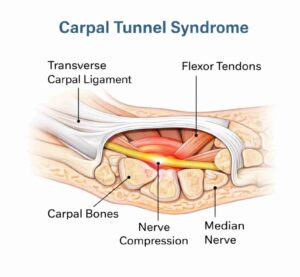
Carpal Tunnel Syndrome (CTS) is a common condition caused by compression of the median nerve as it passes through the wrist. It often causes numbness, tingling, pain, and weakness in the hand and fingers, making everyday tasks such as typing, gripping, or cooking challenging. While conventional treatments—such as wrist splints, anti-inflammatory medications, steroid injections, and surgery—can be effective, some patients seek alternative or complementary therapies. Medical marijuana has emerged as a potential option for managing the discomfort and inflammation associated with CTS.
At ReThink-Rx, we help patients explore safe and personalized medical cannabis strategies that may improve pain management, sleep, and overall quality of life.
Understanding Carpal Tunnel Syndrome
CTS occurs when the median nerve in the wrist becomes compressed, often due to repetitive hand movements, inflammation, or swelling. Symptoms can include:
- Tingling or “pins and needles” in the fingers, particularly the thumb, index, and middle fingers
- Numbness or reduced sensation in the hand
- Weakness or clumsiness when gripping objects
- Pain or burning sensations that can radiate up the arm
-
Sleep disturbances due to nighttime discomfort
While mild CTS can sometimes improve with rest and ergonomic adjustments, chronic cases often require medical or surgical intervention. Medical cannabis may offer an adjunctive option, particularly for managing pain and inflammation.

How Medical Marijuana Works for Carpal Tunnel Syndrome
Medical marijuana contains cannabinoids, primarily THC (tetrahydrocannabinol) and CBD (cannabidiol), which interact with the endocannabinoid system (ECS). The ECS regulates pain perception, inflammation, and nerve function—key components in CTS.
- THC: Binds to cannabinoid receptors in the nervous system, modulating pain signals and providing relief from neuropathic or nerve-related pain.
-
CBD: Non-psychoactive and has anti-inflammatory and neuroprotective effects, which may reduce swelling and irritation around the median nerve.
Together, THC and CBD can help manage both the discomfort and inflammation associated with CTS, complementing conventional therapies.
Evidence Supporting Medical Marijuana for Nerve Pain
CTS is a form of neuropathic pain, and medical cannabis has been studied extensively for this type of discomfort. Key findings include:
- Pain Reduction: Clinical studies show that cannabinoids can reduce neuropathic pain by 20–40%, particularly in patients unresponsive to traditional medications.
- Anti-inflammatory Effects: CBD’s anti-inflammatory properties may reduce swelling and pressure on the median nerve, potentially improving function and comfort.
- Sleep Improvement: Chronic pain often interferes with sleep. Cannabis can promote relaxation and better sleep quality, which may accelerate healing and recovery.
-
Reduced Dependence on Opioids: For patients with severe CTS pain, cannabis may reduce the need for opioid pain medications, lowering the risk of side effects and dependency.
While more research is needed specifically on CTS, studies on peripheral neuropathy and chronic nerve pain support the potential benefits of medical marijuana.
Methods of Consumption
Selecting the proper delivery method is crucial for maximizing benefits while minimizing risks. Options include:
- Oral ingestion (capsules, edibles, tinctures): Provides long-lasting relief, ideal for persistent CTS discomfort. Effects take 30 minutes to 2 hours.
- Sublingual tinctures: Placed under the tongue for faster absorption, often within 15–45 minutes.
- Topical applications: Creams, balms, or transdermal patches applied directly to the wrist can provide localized relief without systemic psychoactive effects.
-
Inhalation (vaporization): Provides rapid relief and is helpful for acute pain flare-ups. Avoid smoking to protect lung health.
At ReThink-Rx, we help patients choose the method that best fits their symptoms, lifestyle, and tolerance.
Potential Benefits of Medical Cannabis for CTS
Medical marijuana may offer several advantages for CTS patients:
- Pain Relief: THC and CBD can reduce burning, tingling, and numbness associated with nerve compression.
- Reduced Inflammation: CBD may help decrease swelling around the median nerve, reducing pressure and improving function.
- Sleep Support: Cannabis can improve sleep quality, helping patients manage nighttime pain and accelerate recovery.
-
Improved Quality of Life: Reduced discomfort and better sleep can enhance daily functioning and overall well-being.

By complementing conventional treatments, cannabis therapy can help patients maintain productivity and comfort while managing CTS symptoms.
Safety Considerations and Side Effects
Medical marijuana is generally safe under medical supervision, but potential side effects include:
- Drowsiness or fatigue
- Dry mouth
- Lightheadedness or dizziness
-
Mood changes (particularly with high THC doses)
High doses of THC may sometimes cause anxiety or disorientation. Patients taking medications like anticoagulants, anticonvulsants, or certain antidepressants should consult a physician, as cannabis can interact with these drugs. A tailored plan ensures effective symptom relief with minimal side effects.
Tailoring Cannabis Therapy for CTS
Effective cannabis therapy for CTS should be individualized:
- THC-to-CBD ratio: High-CBD or balanced products may be preferable for nerve pain and inflammation, with minimal psychoactive effects. read more HERE.
- Dosage and timing: Smaller, consistent doses may provide steady relief without sedation or impairment.
- Delivery method: Topicals for localized relief, oral or sublingual products for systemic pain management.
-
Integration with other treatments: Physical therapy, ergonomic adjustments, and splints can complement cannabis therapy.
A personalized approach ensures maximum benefit while minimizing side effects and the risk of dependency.
Legal Considerations in Virginia
Virginia law allows residents with qualifying medical conditions to access medical cannabis under physician supervision. CTS may be eligible under chronic or neuropathic pain categories if it causes significant impairment. Requirements include:
- Residency in Virginia
- Documentation of a qualifying medical condition
-
Evaluation by a certified medical cannabis physician
Once approved, patients can purchase medical cannabis at state-licensed dispensaries. Working with providers like ReThink-Rx ensures safe dosing, legal compliance, and ongoing support.
Complementary Strategies for CTS Management
Medical cannabis works best alongside other CTS management strategies:
- Wrist splints: Stabilize the wrist and reduce nerve compression
- Physical therapy: Improves strength, flexibility, and hand function
- Ergonomic adjustments: Reduce repetitive strain at work or home
- Mindfulness and relaxation techniques: Stress reduction may improve pain perception
-
Targeted exercises: Stretching and nerve gliding exercises can support long-term relief
Combining these approaches with cannabis therapy often yields the best results for pain reduction and functional improvement.
Final Thoughts
Carpal Tunnel Syndrome can significantly affect daily life, but medical marijuana offers a promising option for managing pain, inflammation, and sleep disturbances. By combining THC and CBD in tailored delivery methods, patients may experience meaningful relief and improved quality of life.
At ReThink-Rx, we provide patient-centered guidance to help individuals explore medical cannabis safely and effectively. Consulting a certified physician is the first step toward developing a comprehensive plan to manage CTS symptoms with medical marijuana.
Disclaimer: This article is for educational purposes only. It is not intended as medical advice; consult a qualified healthcare provider before starting or changing any treatment.

Dr. Marsh, is a board-certified anesthesiologist with over 37 years of healthcare experience. A graduate of Syracuse University, the New York College of Osteopathic Medicine, and Rutgers University Medical School, he has earned recognition from FindaTopDoc.com for clinical excellence. Dr. Marsh founded ReThink-Rx in 2021, where he now focuses on educating, supporting, and certifying patients for medical cannabis.