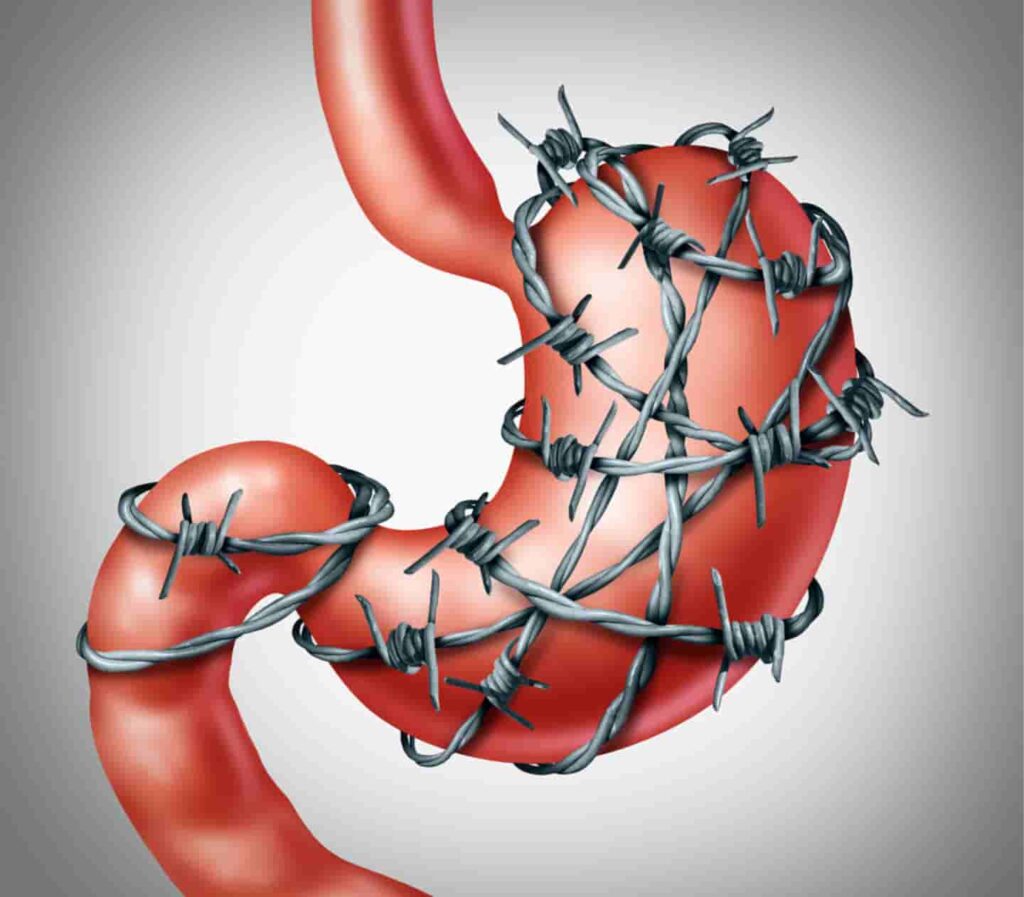

Tourette syndrome is a neurologic condition characterized by involuntary movements and vocalizations known as tics. These tics can range from mild and occasional to more frequent and disruptive, and they often change over time. While many people with Tourette syndrome live full and productive lives, the condition can create challenges related to social comfort, emotional well-being, sleep, and daily function.
Standard treatments—including behavioral therapy and medications—remain the foundation of care. However, some individuals continue to experience symptoms that are difficult to control or that interfere with quality of life. For this reason, patients and caregivers sometimes explore additional supportive options, including medical cannabis, under appropriate medical guidance.
Understanding Tourette Syndrome
Tourette syndrome typically begins in childhood and involves both motor tics (such as blinking, head movements, or shoulder shrugging) and vocal tics (such as throat clearing or sounds). Symptoms often fluctuate in intensity and may increase during periods of stress, fatigue, or excitement.
Common concerns for patients and families include:
- Frequent or intense motor tics
- Vocal tics that interfere with communication
- Anxiety or social discomfort
- Difficulty with focus or sleep
-
Muscle tension and fatigue from repeated movements
While tics are the defining feature of Tourette syndrome, associated symptoms such as anxiety, sleep disruption, and emotional stress often have the greatest impact on daily life.
Conventional Treatments and Their Limits
Treatment for Tourette syndrome may include behavioral therapy, such as Comprehensive Behavioral Intervention for Tics (CBIT), as well as medications that help reduce tic frequency or intensity. These medications can be effective for many patients, but they may also cause side effects such as:
- Sedation or fatigue
- Weight gain
- Mood changes
-
Difficulty with concentration
Not all patients respond to standard treatments, and some may prefer additional options that support comfort and emotional regulation without significantly affecting alertness or daily function.
The Endocannabinoid System and Tic Disorders
Medical cannabis works through the body’s endocannabinoid system (ECS), which plays a role in regulating movement, mood, stress response, and sleep. Cannabinoid receptors are present in brain regions involved in motor control and behavioral regulation.
Because Tourette syndrome involves differences in how the brain processes movement signals, researchers have shown interest in whether cannabinoids may help modulate these pathways. While research is still developing, early studies and patient experiences suggest that cannabinoids may influence tic frequency and intensity for some individuals.
Potential Areas of Support
Medical cannabis does not cure Tourette syndrome. Its potential role is supportive—helping manage symptoms that affect comfort and daily life.
Tic intensity and frequency
Some patients report that carefully selected cannabinoid therapies may help reduce the severity or frequency of tics. While responses vary, improved relaxation and nervous system balance may contribute to greater control in certain situations.
Anxiety and stress
Stress and anxiety often increase tic activity. Managing these factors can make a meaningful difference in symptom control. By supporting a calmer nervous system, cannabis may help reduce stress-related tic exacerbations for some individuals.
Sleep
Sleep disruption is common in Tourette syndrome and can worsen tics the following day. Improved sleep quality may help stabilize symptoms and support overall well-being.
Muscle discomfort
Frequent motor tics can lead to muscle soreness or fatigue. Some patients find that improved muscle relaxation and comfort make daily activities easier.
Safety and Individualized Care
Medical cannabis is not appropriate for everyone, particularly younger patients or those with certain medical conditions. Careful evaluation is essential, and decisions should be made in collaboration with knowledgeable healthcare providers.
Because Tourette syndrome often begins in childhood, treatment decisions for minors require especially careful consideration and involvement from caregivers and clinicians. For adult patients, individualized assessment remains equally important.
Cannabis should always be viewed as one component of a comprehensive care plan that may include behavioral therapy, medical treatment, and supportive therapies.
Integrating Cannabis Into a Care Plan
If medical cannabis is considered, it is typically used alongside established treatments rather than in place of them. A comprehensive approach may include:
- Behavioral therapy
- Medication management
- Stress-reduction strategies
- Sleep support
-
Occupational or physical therapy
The goal is to improve comfort, reduce symptom burden, and support daily functioning while maintaining safety.
Looking Ahead
Research into medical cannabis and Tourette syndrome is ongoing. As understanding grows, clinicians and patients will gain clearer guidance about which individuals may benefit and how cannabinoid therapies can be used responsibly.
Early findings and patient experiences suggest that some individuals may find relief from symptoms such as anxiety, sleep disruption, and tic-related discomfort. Continued research will help clarify these observations and guide best practices.
Final Thoughts
Tourette syndrome is a complex condition that affects movement, mood, and daily life in different ways for each individual. While traditional therapies remain essential, some patients continue to seek additional support for symptom management.
Medical cannabis is not a cure for Tourette syndrome, but it may offer supportive relief for select patients when used thoughtfully and under medical supervision. As research evolves and awareness grows, cannabis may become one of several tools available to help individuals with Tourette syndrome feel more comfortable, sleep better, and function more confidently in daily life.
Disclaimer: This article is for educational purposes only and is not a substitute for professional medical advice, diagnosis, or treatment. Always consult a qualified healthcare provider with any questions about your health or medical conditions.

Dr. Nicholas Marsh is board-certified by the American Board of Anesthesiologists and has over 37 years of healthcare experience. Recognized by FindaTopDoc.com for clinical excellence, he now focuses on educating, supporting, and certifying patients for medical cannabis.