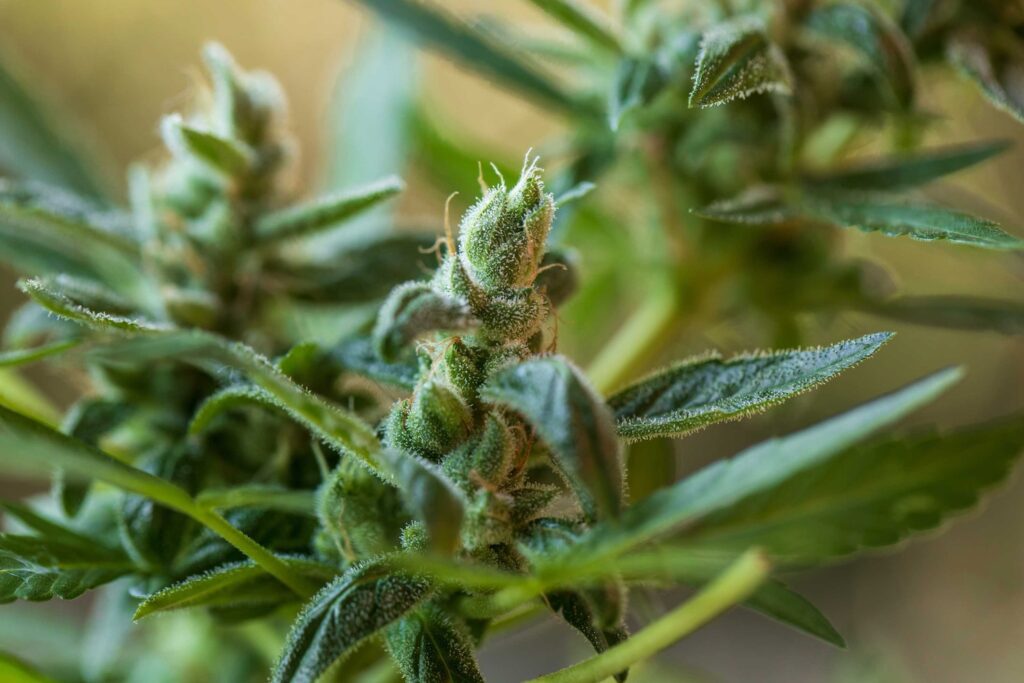
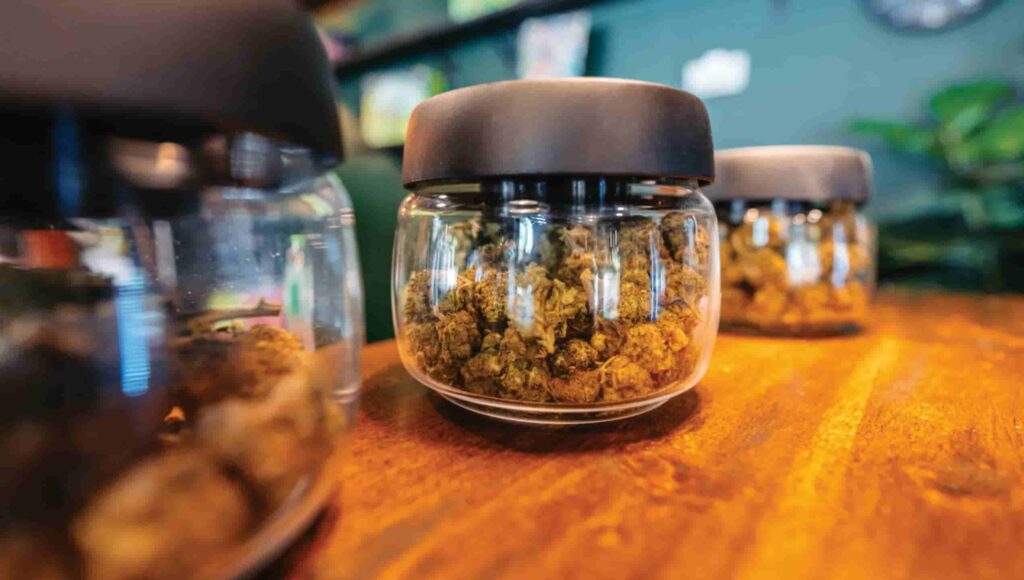
The connection between mood and physical health is well-established, and for many individuals, maintaining emotional balance can be challenging. With growing interest in alternative treatments, medical marijuana has emerged as a potential option for addressing mood-related issues. From alleviating anxiety and depression to managing stress and promoting relaxation, the therapeutic effects of cannabis on mood are worth exploring.
This article delves into how medical marijuana may affect mood, the science behind its impact, and considerations for those seeking relief from mood disorders.
The Science of Mood Regulation
Mood is influenced by complex interactions within the brain, primarily involving neurotransmitters like serotonin, dopamine, and endorphins. These chemical messengers regulate feelings of happiness, relaxation, and stress. When imbalances occur, individuals may experience mood swings, anxiety, or depression.
Medical marijuana interacts with the body’s endocannabinoid system (ECS), a network of receptors (CB1 and CB2) that help regulate mood, appetite, sleep, and immune response. Cannabinoids like tetrahydrocannabinol (THC) and cannabidiol (CBD) mimic the body’s natural endocannabinoids, potentially restoring balance and improving mood.
THC, CBD, and Their Effects on Mood
Two primary cannabinoids found in marijuana, THC and CBD, play different roles in mood regulation:
THC (Tetrahydrocannabinol):
THC is the psychoactive compound in cannabis that produces a “high.” At low doses, it can induce feelings of euphoria, relaxation, and even creativity. However, higher doses may cause anxiety, paranoia, or irritability in some individuals, making careful dosing crucial for mood management.
CBD (Cannabidiol):
CBD is non-psychoactive and has calming, anti-anxiety properties. It can counteract the anxiety-inducing effects of THC and is particularly useful for those seeking mood stabilization without the intoxicating effects of THC.
The interaction between THC and CBD is known as the entourage effect, where these compounds work together to enhance their therapeutic benefits while minimizing side effects.
Mood Disorders and Medical Marijuana
Medical marijuana may benefit a variety of mood disorders, including:
Anxiety Disorders:
Anxiety is one of the most common mood-related issues, affecting millions worldwide. Studies suggest that low doses of THC can reduce anxiety by activating the brain’s reward system, while CBD’s anti-anxiety properties provide a calming effect without sedation. CBD-dominant strains or products are often preferred for anxiety relief.
Depression:
Depression is marked by persistent sadness, lack of energy, and difficulty finding joy. Cannabinoids may help by boosting serotonin signaling, much like traditional antidepressants. Strains high in CBD or balanced THC-CBD ratios are generally recommended, as excessive THC might exacerbate depressive symptoms in some individuals.
Bipolar Disorder:
While research is still emerging, some patients report using medical marijuana to manage mood swings associated with bipolar disorder. However, careful monitoring is essential, as THC might worsen manic episodes in susceptible individuals.
Post-Traumatic Stress Disorder (PTSD):
PTSD often involves flashbacks, nightmares, and heightened anxiety. Medical marijuana, particularly strains with a higher CBD content, may help reduce intrusive thoughts and promote restful sleep. THC can also aid by dampening the brain’s fear response.
Stress Management:
Both acute and chronic stress affect mental and physical health. Grief is an example of acute, severe stress. Cannabis, particularly strains with moderate THC and CBD, can promote relaxation, alleviate tension, and improve overall mood.
Terpenes and Mood Enhancement
Terpenes, aromatic compounds in cannabis, play a significant role in mood modulation. They work synergistically with cannabinoids to enhance their effects. Common mood-enhancing terpenes include:
- Limonene: Found in citrus-scented strains, limonene promotes happiness, reduces stress, and boosts energy.
- Linalool: Known for its floral aroma, linalool has calming properties that can help with anxiety and depression.
- Myrcene: This earthy, musky terpene induces relaxation and is often associated with soothing, sedative effects.
- Pinene: Found in pine-scented strains, pinene can improve focus and alleviate stress.
By understanding terpene profiles, patients can select strains tailored to their mood needs.
Choosing the Right Medical Marijuana for Mood
Finding the right cannabis product involves considering the following factors:
Strain Selection:
- Indica-dominant strains: Typically relaxing and suitable for evening use to combat stress or anxiety.
- Sativa-dominant strains: Energizing and uplifting, often used during the day for depression or low energy.
- Hybrid strains: Combine the benefits of indica and sativa, offering a balanced effect.
THC-to-CBD Ratio:
- High-CBD, low-THC products are ideal for anxiety and stress relief without intoxication.
- Balanced THC-CBD ratios provide moderate mood enhancement while minimizing psychoactive effects.
- High-THC strains may be suitable for severe mood issues but require careful dosing.
Consumption Methods:
- Inhalation (smoking or vaping): Offers rapid relief but with shorter effects.
- Edibles: Provide longer-lasting effects but take longer to kick in.
- Tinctures and oils: Allow for precise dosing and versatile use.
- Topicals: Typically not mood-altering but can provide localized relief from physical tension contributing to mood issues.
Potential Risks and Considerations
While medical marijuana shows promise for mood enhancement, it’s not without risks. Some key considerations include:
Dosage:
The “start low and go slow” approach is critical, especially for THC. Small doses can be therapeutic, while excessive amounts may trigger anxiety or paranoia.
Individual Variation:
Everyone’s ECS is unique, meaning the same strain or dose can have different effects on different individuals. Experimentation and professional guidance are essential.
Interaction with Medications:
Cannabis may interact with certain medications, including antidepressants and antianxiety drugs. Patients should consult with a healthcare provider before combining treatments.
Dependency Risks:
Although medical marijuana is less addictive than many pharmaceuticals, long-term use can lead to psychological dependence in some cases. Using cannabis responsibly and under medical supervision is crucial.
The Role of Medical Guidance
Working with a knowledgeable medical cannabis provider ensures safe and effective use. A healthcare professional can:
- Recommend appropriate strains and products based on mood-related needs.
- Help establish a safe and effective dosing regimen.
- Monitor progress and adjust treatment plans as necessary.
For individuals considering medical marijuana for mood management, obtaining a medical marijuana card and accessing high-quality products from reputable dispensaries is essential.
Patient Success Stories
Many patients report significant improvements in mood with medical marijuana. Here are a few examples:
- A 45-year-old teacher with generalized anxiety disorder found relief with a CBD-rich tincture, enabling her to manage stress without feeling sedated.
- A veteran with PTSD experienced fewer nightmares and improved sleep quality after incorporating a hybrid strain with balanced THC and CBD into his evening routine.
- A young mother struggling with postpartum depression discovered that a sativa-dominant strain helped boost her energy and uplift her mood during the day.
Final Thoughts
Medical marijuana offers a promising avenue for improving mood and emotional well-being. By interacting with the ECS, cannabinoids like THC and CBD may help alleviate symptoms of anxiety, depression, PTSD, and chronic stress. Understanding the nuances of cannabis, including strain selection, terpenes, and consumption methods, allows patients to tailor their treatment to their unique needs.
As with any medical treatment, success depends on proper guidance and a personalized approach. For those seeking a natural, potentially transformative option for mood management, medical marijuana may be worth exploring under professional supervision.
Disclaimer: This article is for educational purposes only and is not a substitute for professional medical advice, diagnosis, or treatment. Always consult a qualified healthcare provider with any questions about your health or medical conditions.

Dr. Nicholas Marsh is board-certified by the American Board of Anesthesiologists and has over 37 years of healthcare experience. Recognized by FindaTopDoc.com for clinical excellence, he now focuses on educating, supporting, and certifying patients for medical cannabis.