
A Straightforward Guide for Protecting Your Privacy and Your Job
Using medical marijuana to manage a health condition is a personal and often life-changing decision. For many patients, it brings real relief from chronic pain, anxiety, PTSD, sleep disorders, and more. But when it comes to your workplace, things can feel a lot less simple.
You might be wondering, “Do I have to tell my boss I use medical marijuana?” Or maybe, “Could I get fired if they find out?” These are smart questions—and ones that more and more people are asking as medical cannabis becomes more widely accepted.
In this article, we’ll walk through what you need to know about your rights, risks, and responsibilities when it comes to telling your employer about medical marijuana. Whether you’re already a patient or thinking about becoming one, understanding the rules can help you protect both your health and your job.
Is Medical Marijuana Legal at Work?
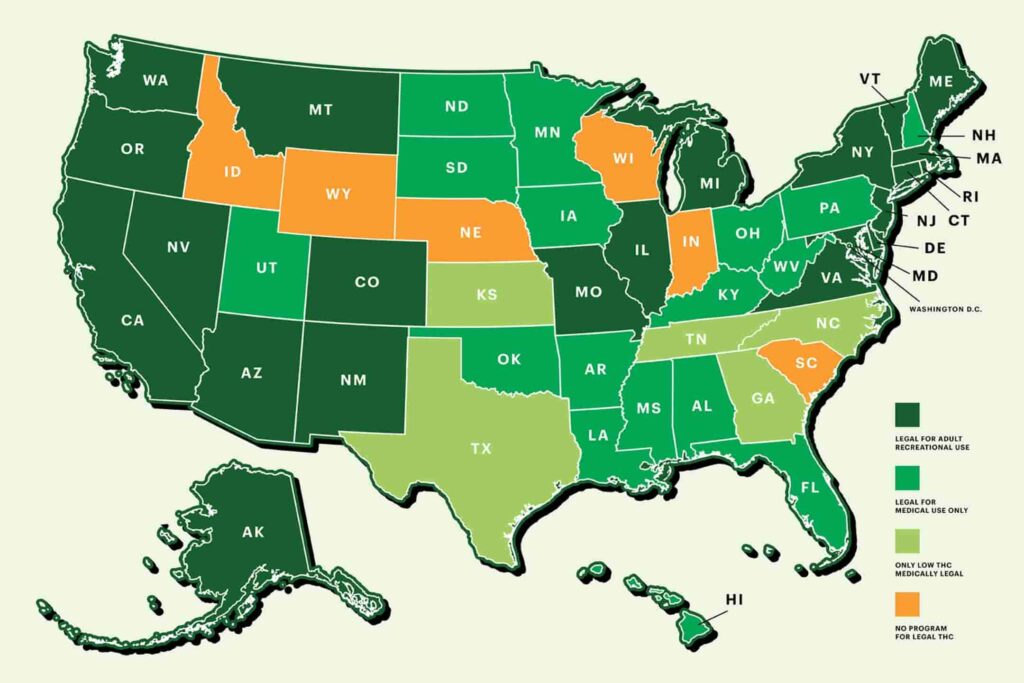
Let’s start with the basics. As of now, medical marijuana is legal in many states, including Virginia, but it’s still illegal under federal law. That creates a gray area, especially when it comes to employment.
Even if you’re a certified patient using cannabis responsibly off-duty, employers can still enforce drug-free workplace policies. That means you cannot possess or consume medical cannabis, or be under the influence, when at work, even if you have a medical card. In addition, certain employers, especially those subject to federal regulations (e.g., DOT, FAA, or federal contractor requirements), will not allow even off-duty consumption regardless of whether you are certified. Additionally, certain safety-sensitive jobs, such as commercial drivers, heavy machine operators, and other dangerous professions, are not protected.
That said, states like Virginia do provide general employment protections for most medical cannabis patients who consume their therapy responsibly and off-duty. The first step is to understand the law in your state.
In Virginia (and some other states):
- Generally, you can’t be fired or disciplined just for being a registered medical cannabis patient.
- But employers can still prohibit use or impairment during work hours.
-
Some companies may still screen for THC during drug tests—even if you’re using it legally.
So, while your status as a patient might be protected, being impaired on the job is not.
Do I Have to Tell My Employer?
In most cases, no, you do not have to disclose your medical marijuana use.
Your medical information is protected under laws like:
- HIPAA (Health Insurance Portability and Accountability Act)
- ADA (Americans with Disabilities Act)
-
State privacy laws (like Virginia’s Patient Certification Program rules)
That means you have the right to keep your health decisions private unless you choose to share them.
But there are a few exceptions:
- Safety-sensitive jobs (pilots, drivers, machine operators): You may be subject to strict drug-testing policies regardless of medical status.
- Pre-employment or random drug tests: If your employer has a policy in place, THC might still be flagged and could pose a problem.
-
If you request a workplace accommodation: You might need to explain your condition and treatment (more on that below).
Pros and Cons of Disclosing to Your Employer
Telling your employer can feel like a risky move—but sometimes, it can help. Here’s a breakdown of when it might be helpful and when to think twice.
✅ Reasons to Tell Your Employer:
- You’re requesting a specific accommodation, such as a modified schedule or remote work, due to a qualifying condition.
- You’ve tested positive on a drug screen and want to explain the presence of THC with valid medical documentation.
-
You have a supportive boss or HR team, and you believe in open, transparent communication.
❌ Reasons Not to Tell:
- You don’t need any accommodations, and your cannabis use doesn’t affect your work.
- Your employer has a strict drug-free policy, and you worry that disclosing your lawful medical use could put your job at risk.
-
You’re concerned about stigma, bias, or discrimination, and you wish to protect your privacy.
Ultimately, the decision is personal. If you do decide to tell, it’s essential to be prepared and strategic in how you approach the conversation.
How to Talk to Your Employer (If You Choose To)
If you feel the need to disclose your medical cannabis use, here are a few tips for making that conversation as smooth and safe as possible:
1. Review the Company Policy
Check your employee handbook or HR portal for the official stance on drug use, testing, and accommodations. Look for terms like “drug-free workplace,” “safety-sensitive roles,” or “substance use policy.”
2. Gather Documentation
Have a copy of your medical marijuana certification, doctor’s recommendation, and any notes about your condition that justify your need for treatment.
3. Focus on the Condition, Not the Cannabis
Frame your conversation around your health needs, not the plant. For example: “I have a chronic pain condition that I treat under my physician’s guidance. It does not affect my ability to do my job safely or effectively.” You don’t have to say the words “cannabis” or “marijuana” if you don’t want to. Focus on results: “My treatment helps me stay focused and productive.”
4. Reassure Them About Job Performance
Let them know that you do not use cannabis during work hours, and that you are committed to safety, focus, and professionalism.
What About Drug Tests?
This is one of the biggest concerns for medical marijuana patients. Many workplaces still use urine or saliva drug tests that check for THC, even when it’s medically prescribed.
Here’s what you need to know:
- Most standard drug tests look for THC metabolites, not whether you’re high.
- A positive test result may trigger a follow-up, especially if you didn’t disclose your medical status beforehand.
-
Some employers offer a chance to provide a medical explanation or documentation before disciplinary action.
How to Protect Yourself:
- Know your company’s drug testing policy.
- Determine whether your job is carved out of protection by either federal law or by being a safety-sensitive position.
- If required, tell the lab or testing administrator that you’re a certified medical cannabis patient.
-
Keep a copy of your Virginia medical cannabis certification on file in case you need to present it.
If you’re applying for a new job, you may want to ask upfront whether the employer screens for THC and whether exceptions are made for legal medical use.
Can I Be Fired for Medical Marijuana Use?
Unfortunately, the answer is still “it depends.” In some states, yes. In others, no.
In Virginia, for example, state law provides some protection:
- Employers may not generally discriminate against employees solely for being medical cannabis patients.
-
However, they can prohibit use or impairment at work, and they can take action if you’re unsafe or unable to perform your job.
In federally regulated industries, cannabis use—medical or not—is still grounds for termination in most cases.
If you feel that your rights as a patient have been violated, you may want to contact:
- A state labor board
- An employment attorney
-
A medical cannabis advocacy group
Final Thoughts: Know Your Rights, Respect the Rules
Deciding whether to tell your employer about medical marijuana use is a personal decision. For many patients, privacy is key, and there’s no need to disclose unless you’re requesting accommodations or dealing with a workplace drug test.
Others may choose to speak up, especially if they work in a more progressive environment or need to advocate for themselves.
Here’s what matters most:
- Understand your state and workplace laws
- Use cannabis responsibly—never while on the job
- Document your medical use in case you need to explain it
-
Stand up for your rights if you’re unfairly treated
At ReThink-Rx, we know how valuable medical cannabis can be—and how important it is to use it safely, legally, and confidently. If you need help navigating your certification or have questions about workplace rights, we’re always here to guide you.
Disclaimer: This article is for informational purposes only and is not legal advice. Always consult a qualified attorney or HR professional regarding your specific situation or state laws.

Dr. Nicholas Marsh is board-certified by the American Board of Anesthesiologists and has over 37 years of healthcare experience. Recognized by FindaTopDoc.com for clinical excellence, he now focuses on educating, supporting, and certifying patients for medical cannabis.