For many patients exploring medical cannabis for the first time, edibles offer a comfortable and approachable starting point. Unlike smoking or vaping, edibles feel familiar—they resemble everyday foods like gummies, chocolates, or baked goods. But beneath that simplicity lies a powerful and long-lasting form of therapy that works differently from inhaled cannabis.
In this guide, we’ll walk through what edibles are, how they work, their advantages, how to dose them safely, and what to know about homemade versus commercially prepared options.
What Are Cannabis Edibles?
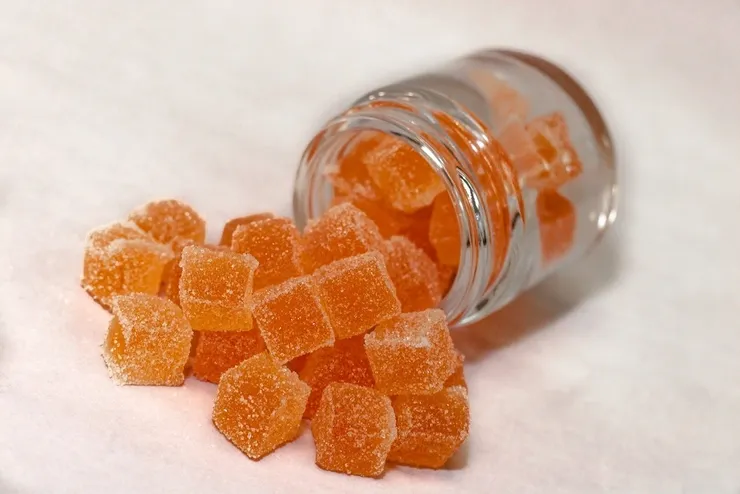
Cannabis edibles are food or drink products infused with cannabinoids such as THC (tetrahydrocannabinol), CBD (cannabidiol), or both. These products come in many forms, including:
- Gummies
- Chocolates
- Baked goods (cookies, brownies)
- Capsules
- Beverages and tincture-infused drinks
For medical patients, edibles are often used for conditions such as chronic pain, insomnia, anxiety, and appetite loss.
What makes edibles unique is how your body processes them. Instead of entering the bloodstream through the lungs, cannabinoids are absorbed through the digestive system and processed by the liver. This changes both the timing and the intensity of their effects.
Therapeutic Benefits of Medical Marijuana Edibles:
Medical marijuana edibles offer a spectrum of therapeutic benefits that contribute to their growing popularity.
- Pain Management: Cannabinoids, particularly THC and CBD, have demonstrated analgesic properties, making edibles a viable option for individuals seeking relief from chronic pain conditions. The prolonged effects of edibles can provide sustained relief, enhancing the overall quality of life for those managing pain.
- Anxiety and Stress Reduction: CBD, in particular, is celebrated for its anxiolytic properties. Edibles with higher CBD content and lower THC levels are increasingly sought after by individuals looking to manage anxiety and stress without the psychoactive effects commonly associated with THC.
- Sleep Aid: Edibles have shown promise in addressing sleep disorders, with certain formulations designed to induce relaxation and promote a restful night’s sleep. The extended duration of edible effects aligns well with the need for sustained relief throughout the night.
- Appetite Stimulation: For individuals undergoing medical treatments that suppress appetite, such as chemotherapy, THC-rich edibles can be a valuable tool for stimulating hunger. This effect, commonly referred to as the “munchies,” can contribute to improved nutritional intake.
How Edibles Work in the Body
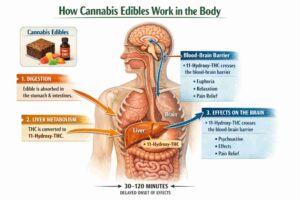
When you consume an edible, the active compounds travel through your digestive tract, get absorbed into your bloodstream, and are metabolized by the liver. During this process, THC is converted into a potent compound called 11-hydroxy-THC, which can cross the blood-brain barrier more efficiently than THC. Metabolized products from edibles act on the endocannabinoid system similar to those from inhalation, but more effectively.
This is why edibles often feel:
- Stronger than inhaled cannabis
- Longer-lasting (typically 4–8 hours, sometimes longer)
- Slower to start (usually 30–120 minutes before effects begin)
This delayed onset is one of the most important things for new patients to understand—and respect.
Advantages of Edibles for Medical Use
For many patients, edibles provide a number of meaningful benefits compared to smoking or vaping cannabis.
1. Longer-Lasting Relief
Because edibles are processed through the digestive system, their effects tend to last significantly longer than inhaled cannabis.
This is what makes them especially helpful for:
- Chronic pain
- Sleep disorders
- Nighttime anxiety
- Conditions requiring sustained symptom control
Instead of needing repeated doses throughout the day, a single edible can provide steady relief for several hours.
2. No Lung Irritation
Edibles completely avoid the respiratory system. For patients with asthma, COPD, or general sensitivity to smoke or vapor, this is a major advantage.
It also makes edibles appealing to patients who simply prefer not to inhale anything.
3. Discreet and Convenient
Edibles are easy to use and blend seamlessly into daily life. There’s no smell, no equipment, and no need for a designated space.
For working professionals or patients who value privacy, this can make a big difference.
4. Precise Dosing (with Commercial Products)
Many state-regulated dispensaries offer edibles that are carefully labeled with exact cannabinoid content—often in milligrams per serving.
This allows patients to:
- Start low and increase gradually
- Track their response over time
- Maintain consistent dosing
Understanding Edible Dosing: Start Low and Go Slow
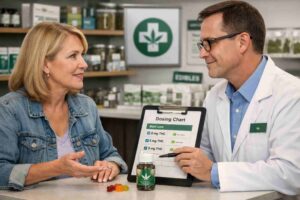
Dosing is where many new patients run into trouble—not because edibles are unsafe, but because their delayed onset can lead to taking too much too quickly.
A Simple Rule: Start Low and Go Slow
For most beginners:
- Start with 2.5–5 mg of THC
- Wait at least 2 hours before considering another dose
This waiting period is critical. Taking too much too soon is the most common cause of unpleasant experiences with edibles.
What Happens If You Take Too Much?
Overconsumption of THC can lead to temporary side effects such as:
- Anxiety or restlessness
- Dizziness
- Nausea
- Increased heart rate
- Sedation
Overconsumption is often referred to as Greening Out. While these effects can feel uncomfortable, they are not dangerous and will resolve with time. Staying calm, hydrating, and resting in a comfortable environment usually helps.
CBD can also be used to help balance THC’s effects if needed.
Finding Your Ideal Dose
Every patient is different. Factors that influence your response include:
- Body weight and metabolism
- Prior cannabis experience
- Sensitivity to THC
- The condition being treated
Some patients do well with 2.5 mg, while others may eventually require 10–20 mg or more. The key is gradual, thoughtful adjustment.
Timing Your Edible Use
Because edibles take longer to kick in, timing matters.
For Sleep:
Take your edible 1–2 hours before bedtime to allow effects to fully develop. Read more HERE.
For Pain or Anxiety:
Plan ahead and take your dose before symptoms peak, not after.
For Daytime Use:
Start with very low doses (2.5 mg or less) to avoid unwanted sedation or impairment.
Homemade vs. Commercial Edibles
Patients often ask whether it’s better to use dispensary products or make their own at home. Both have pros and cons.
Commercial Edibles (Dispensary Products)
Advantages:
- Precisely measured dosing
- Lab-tested for safety and consistency
- Clearly labeled THC/CBD content
- Reliable and predictable effects
Disadvantages:
- More expensive
- Limited customization
For most beginners, commercial edibles are strongly recommended. They provide a safe and consistent introduction to cannabis therapy.
Homemade Edibles
Homemade edibles are made by infusing cannabis into butter or oil (often called cannabutter or cannabis oil), which is then used in cooking or baking.
Advantages:
- Cost-effective over time
- Fully customizable recipes
- Flexibility in cannabinoid ratios
Disadvantages:
- Difficult to dose accurately
- Risk of uneven distribution of THC
- More variability in effects
For newer patients, homemade edibles can be unpredictable. One portion may be mild, while another is significantly stronger.
If you choose to make your own, careful preparation and labeling are essential.
Tips for Safe and Effective Use
Here are a few practical tips to help you get the most out of edibles:
1. Be Patient
Avoid the temptation to take more if you don’t feel the effects right away.
2. Take with Food
Edibles are often absorbed more consistently when taken with a small meal, especially one that contains healthy fats.
3. Store Safely
Keep edibles out of reach of children and pets. Many products look like regular candy.
4. Track Your Experience
Keep a simple log of:
- Dose
- Timing
- Effects
This helps you fine-tune your treatment over time.
Who Should Be Cautious with Edibles?
While edibles are safe for most adults when used appropriately, certain groups should proceed with extra caution or consult a physician:
- Patients with a history of anxiety or panic disorders
- Older adults sensitive to medications
- Individuals taking sedating medications
- Those new to THC
Starting with very low doses—and considering CBD-dominant products—can help reduce the risk of side effects.
Edibles and the “Less Is More” Approach
One of the most important lessons in medical cannabis is that more is not always better.
In fact, many patients find that lower doses provide better symptom relief with fewer side effects. This is especially true for anxiety, sleep, and mood-related conditions.
Edibles reward a thoughtful, measured approach. In fact, very small doses, microdosing, can sometimes be the best way to obtain benefits, often with no significant cognitive effect at all.
Emerging Trends in Medical Marijuana Edibles:
As the acceptance and legalization of medical marijuana continue to expand, so do the trends within the edibles market.
- Diversification of Products: The edibles market is witnessing a surge in product diversity, with manufacturers exploring innovative formulations beyond traditional gummies and baked goods. Infused beverages, savory snacks, and even gourmet culinary creations are becoming increasingly prevalent.
- Microdosing: Microdosing, the practice of consuming very low doses of cannabinoids, is gaining popularity. This approach allows individuals to experience the therapeutic benefits of cannabis without the pronounced psychoactive effects, aligning well with the principle of starting low and going slow.
- Customization and Personalization: Advancements in manufacturing techniques are facilitating the customization of edibles to meet individual preferences and medical needs. Tailoring cannabinoid ratios and incorporating specific terpenes enables a more personalized approach to treatment.
Final Thoughts: A Powerful Tool When Used Correctly
Edibles can be one of the most effective and patient-friendly forms of medical cannabis. They offer long-lasting relief, avoid lung irritation, and allow for discreet, consistent use.
However, they also require respect—particularly regarding dosing and timing.
If you’re new to medical cannabis, starting with a low-dose, dispensary-produced edible and gradually adjusting based on your response is the safest and most effective path forward.
With the right approach, edibles can become a reliable and valuable part of your overall treatment plan—helping you feel better, sleep better, and regain control over your symptoms.
Disclaimer: This article is for educational purposes only and is not a substitute for professional medical advice, diagnosis, or treatment. Always consult a qualified healthcare provider with any questions about your health or medical conditions.

Dr. Nicholas Marsh is board-certified by the American Board of Anesthesiologists and has over 37 years of healthcare experience. Recognized by FindaTopDoc.com for clinical excellence, he now focuses on educating, supporting, and certifying patients for medical cannabis.