
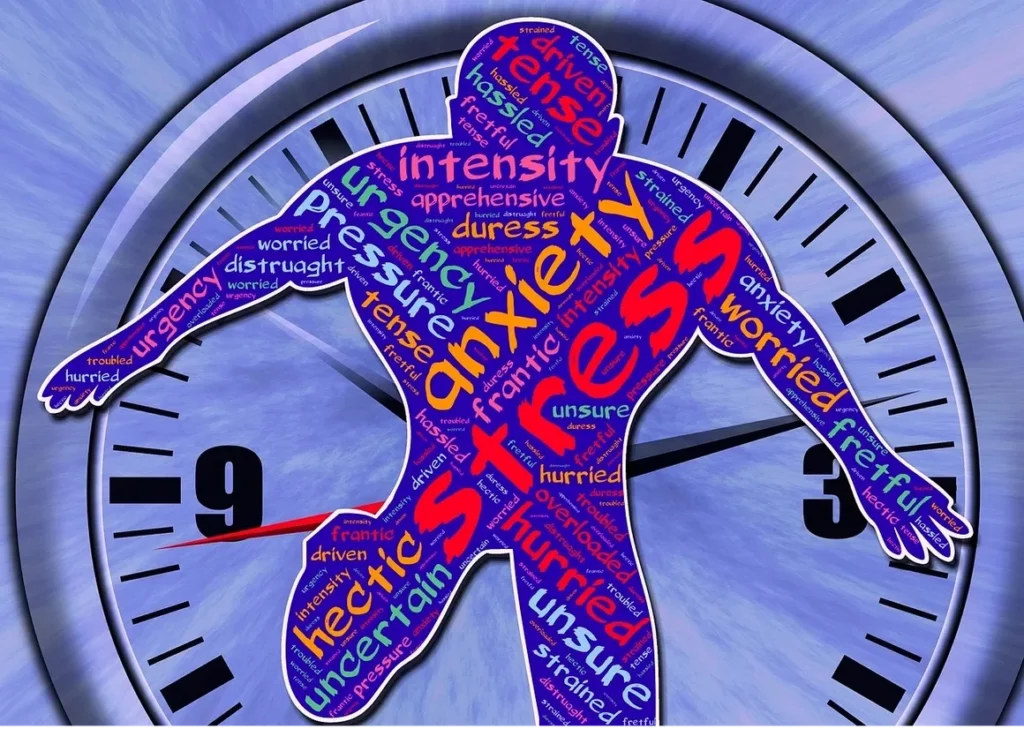
Cannabis Helps Many to Cope with Stress
MEDICAL MARIJUANA AND ANXIETY
With so much at stake, today’s busy lives are filled with stress and anxiety. Cannabis helps.
Anxiety and Stress: A Personal Struggle
Your ReThink-Rx™ Doctor Will Help
Anxiety and stress are among the most common reasons patients seek medical care today. While occasional stress is a normal part of life, chronic anxiety and persistent stress can interfere with sleep, concentration, relationships, and overall health. For many patients, standard treatments such as antidepressants, benzodiazepines, or sleep aids provide limited relief or come with side effects that make long-term use difficult. As a result, growing numbers of patients are exploring medical marijuana as a potential option for managing anxiety and stress more gently and sustainably.
Understanding anxiety and stress
Anxiety disorders and chronic stress affect both the mind and the body. Symptoms often go beyond worry or nervousness and may include:
- Racing thoughts or constant tension
- Difficulty sleeping or staying asleep
- Muscle tightness, headaches, or jaw clenching
- Rapid heart rate or shortness of breath
- Digestive upset or appetite changes
Irritability, fatigue, or emotional burnout
When stress hormones remain elevated over time, they can worsen pain, disrupt sleep, weaken immune function, and increase the risk of depression and other health conditions. Effective management often requires addressing both physical and emotional components.
Why medical marijuana is often considered
Interest in medical marijuana for anxiety and stress centers on its interaction with the endocannabinoid system. This system plays a key role in regulating mood, emotional processing, stress responses, sleep, and nervous system balance. Cannabinoid receptors are found throughout the brain, including areas involved in fear, memory, and emotional regulation.
Rather than simply sedating the nervous system, cannabinoids may help restore balance by calming excessive stress signaling while supporting normal brain function. This broader regulatory effect is one reason cannabis is being studied as an alternative or adjunct to traditional anxiety treatments.
Anxiety and stress symptoms cannabis may help address
Medical marijuana is not a cure for anxiety disorders, but some patients report meaningful symptom relief when it is used thoughtfully and under medical guidance. Areas where cannabis may help include:
- Excessive worry and rumination: Certain formulations may reduce mental “overdrive” and promote a calmer baseline state.
- Stress-related muscle tension and pain: Relaxing tight muscles can reduce physical discomfort associated with anxiety.
- Sleep disturbances: Anxiety-related insomnia is common, and cannabis may help with sleep onset and continuity.
- Stress-triggered mood swings: Some patients experience improved emotional regulation and resilience.
Situational anxiety: Symptoms related to social situations, work or school pressures, or other chronic stressors may be reduced in select individuals. The COVID-19 pandemic was such a situational trigger for many. Holidays and family life can exacerbate trouble for many.
Many patients find that medical cannabis improves sleep, often leading to reduced daytime anxiety and greater stress tolerance. Conditions like PTSD, Panic disorder, and ADHD can see improved symptom control and relief.
THC and CBD: very different effects on anxiety
Understanding the difference between THC and CBD is especially important for anxiety-focused care.
THC can reduce anxiety at low doses for some patients by promoting relaxation and easing tension. However, higher doses may worsen anxiety, cause racing thoughts, or trigger panic in sensitive individuals. This dose-dependent effect makes careful titration essential.
CBD does not cause intoxication and is often favored for anxiety and stress. It may promote calm without sedation, reduce stress responses, and counterbalance some of THC’s anxiety-provoking effects. Many anxiety patients start with CBD-dominant products or very low-THC formulations.
Balanced THC-to-CBD ratios may benefit some patients, but there is no one-size-fits-all approach. Individual sensitivity varies widely.
The importance of dosing and product selection
When it comes to anxiety and stress, more cannabis is not better. In fact, excessive dosing is one of the most common reasons patients have negative experiences. Starting low and increasing slowly allows patients to find the minimum effective dose that provides relief without impairment.
Non-inhaled options such as tinctures, capsules, or low-dose edibles are often preferred for anxiety management. These methods allow for more consistent dosing and longer-lasting effects. Inhalation may act faster but can be harder to dose precisely and may increase anxiety in some individuals. Choosing the right strain for you is important.
Time of day also matters. Some patients use small daytime doses for stress control and different formulations at night to support sleep.
Safety, expectations, and individualized care
Medical marijuana is not appropriate for everyone with anxiety. Patients with a history of severe panic attacks, psychosis, or certain mood disorders require careful evaluation. Cannabis should also be used cautiously alongside other medications that affect the nervous system.
Working with a knowledgeable clinician helps ensure that cannabis is used as part of a thoughtful treatment plan rather than as a trial-and-error approach. Education, monitoring, and adjustment over time are key to success.
A supportive option within a broader plan
Medical marijuana should be viewed as one tool among many for managing anxiety and stress. Counseling, lifestyle changes, sleep hygiene, exercise, mindfulness, and social support remain essential components of care. For some patients, cannabis allows reduced reliance on medications that cause sedation, dependence, or emotional blunting.
This article serves as an introduction to how medical marijuana may support patients dealing with anxiety and stress. In more focused discussions, specific anxiety disorders, dosing strategies, and product types can be explored in greater detail, always with the goal of improving calm, function, and quality of life.
Suggested Reading: Comprehensive guide to anxiety and medical cannabis
Disclaimer: This article is for educational purposes only and is not a substitute for professional medical advice, diagnosis, or treatment. Always consult a qualified healthcare provider with any questions about your health or medical conditions.
RETHINK
CANNABIS
, HEALTH
, WELLNESS
, COMFORT
WITH RETHINK-RX™