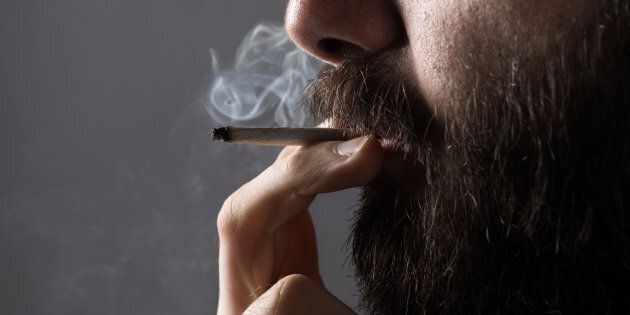
Understanding Responsible Medical Marijuana Use: A Friendly Guide
Anything that feels good or makes us feel better can be habit-forming. Just ask any teenager who plays video games or spends too much time on social media. But is medical marijuana as dependence-forming as some people claim? Let’s take a look.
Medical marijuana has become popular in recent years due to its potential to provide relief from various ailments. But, like every medical therapy, there are pluses and minuses. With the benefits come other considerations that must be addressed. Cannabis therapy, while having significant medical benefits for many patients, likewise has some less desirable elements, including the potential for dependence and tolerance. This is called “Cannabis Misuse Syndrome,” and it’s the subject of today’s essay.
In this article, we’ll dive into recognizing and managing dependence issues with medical marijuana. We’ll look at how it compares to the physical dependence problems often seen with alternative mainstream therapies like benzodiazepines and opiates. Importantly, we’ll also discuss strategies for recognizing, managing, and avoiding it. So, let’s get started on this journey!
I. Understanding Medical Marijuana
1.1 Medical Marijuana: A Quick Rundown Medical marijuana involves using the Cannabis plant, containing compounds like THC and CBD, for therapeutic purposes. While THC has those psychoactive effects we’ve all heard about, CBD is non-intoxicating and is celebrated for its many therapeutic properties. These elements and others work together to create a fantastic array of benefits for patients suffering from numerous ailments.
1.2 The Therapeutic Upside Medical marijuana has shown benefits in managing chronic pain, multiple sclerosis, epilepsy, mood disorders, sleep disturbance, and cancer-related symptoms, to name just a few. It has the potential to reduce pain, inflammation, and anxiety, making it a top choice for patients who haven’t found relief through traditional medications or prefer to try a more natural route. Importantly, it does it with remarkable safety.
II. Comparing Psychological Dependence to Physical Dependence
But, like all things pleasant, frequent use of cannabis can result in psychological dependence. Too much of a good thing, it turns out, is not necessarily a good thing. The key to success is moderation. Let’s explore this.
2.1 What is Psychological Dependence? Psychological dependence happens when you become emotionally reliant on something, but there’s little physical withdrawal if you suddenly stop. For the most part, this is how cannabis works. You indeed may find yourself reaching for it when you’re stressed, anxious, feeling a bit low or experiencing pain. But sometimes you may find yourself reaching for it, just for the heck of it. Reaching for cannabis too often and too much can eventually become a problem, just like it does with alcohol or prescription medications.
2.2 How It Compares Let’s compare psychological dependence with physical dependence – the kind you see with benzodiazepines or opiates. With physical dependence, the body develops a significant physical dependence on the medication. When you try to quit, you experience nasty physical withdrawal symptoms like tremors, seizures, or intense cravings. Sometimes, these physical symptoms are severe and potentially dangerous. The cravings brought on by physical dependence can be overwhelming. Narcotics like Fentanyl have compelling physical dependence characteristics that drive people to higher and higher dosing to feel normal.
While both kinds of dependence are serious, psychological dependence is generally easier to manage than physical dependence.
2.3 The Problem with Cannabis Over-reliance Overuse of marijuana, medical or recreational, can lead to a range of physical, mental, and social problems. One of the primary concerns is its impact on mental health. While some individuals may experience temporary relief from anxiety or stress with proper use, excessive use can exacerbate these conditions, contributing to paranoia, panic attacks, and even depression. The cognitive impairments associated with chronic marijuana use can also hinder one’s ability to focus, remember, and make sound decisions, which can be particularly problematic in educational and professional settings.
Habitual marijuana use can result in significant dependence. The withdrawal symptoms, including irritability and insomnia, can be challenging to overcome. Additionally, long-term use may have adverse effects on respiratory health, similar to smoking tobacco.
Socially, over-reliance on marijuana can strain relationships, as individuals may become disengaged, apathetic, or withdrawn. This reliance can also hinder personal growth and lead to missed opportunities for self-improvement and development. While marijuana has significant therapeutic potential, moderation and responsible use are key to avoiding these negative consequences.
III. Signs of Psychological Dependence
3.1 Red Flags: How do you know when you’ve crossed the line? Recognizing the signs of psychological dependence is the key to managing it. Here are some telltale signs:
a. Craving the high: If you’re itching to get that euphoric feeling from marijuana, even when you don’t need it medically, that’s a red flag.
b. Emotional reliance: If you’re constantly turning to marijuana when you’re stressed or anxious instead of seeking healthier coping mechanisms, you might be on the road to psychological dependence.
c. Social isolation: When your social life revolves around marijuana, and you’re withdrawing from friends and family, it’s time to take a closer look.
d. Tolerance: If you find yourself needing more and more marijuana to achieve the same effects, your tolerance is building, and it could be a sign of dependence.
IV. Strategies to Avoid Psychological Dependence
4.1 Individualized Plans The key to managing psychological dependence is to create personalized treatment plans and stick to them. Your medical provider will evaluate your medical condition, symptom severity, and your risk factors for dependence. From this, they will help you develop a dosing plan tailored to your needs. This individualized approach helps strike a balance between the therapeutic benefits of medical marijuana and the potential for misuse. It is crucial to target a plan designed for your needs that involves consuming the least amount of cannabis medicine as possible, as infrequently as possible. Then, stick to this plan.
4.2 Exploring Alternatives Don’t be shy about asking your healthcare provider about alternative treatments that might lower your risk of dependence: things you can do in addition to cannabis, or instead of it. Non-cannabis medications, therapies, or lifestyle changes are all on the table. A candid conversation about the pros and cons of each option is crucial.
V. Harm Reduction: Your New Mantra
If you think you may be developing a problem, a few strategies will help you adjust your use and reduce your consumption.
Understand Your Dosing Needs. When first starting your cannabis therapy, work to develop an understanding of your needs and optimize your dosing. It should be a balance between the effects you want versus those you don’t. The goal should be symptom relief (better sleep, less anxiety, improved pain), while avoiding excessive impairment.
Stay the Course. Once you have determined your optimal dosing, keep that plan each time. The least amount of cannabis you can use to get your desired results, the better. Sticking to your plan will help you recognize if you begin to develop tolerance to the therapy.
Take a holiday. If you find that you are beginning to develop tolerance or are craving the therapy more and more often, it’s time to give it a rest for a few days or weeks. This will reset your sensitivity and break the cycle of dependence. The endocannabinoid system is very fluid, and taking a break from using cannabis can help regain your sensitivity and success with the therapy.
Slow and Steady A holiday from cannabis can be a very effective way to manage the risk of dependence but can be challenging to patients who have developed a need for higher dosing. If that is your situation, don’t go cold turkey. Instead, create a gradual reduction plan to reduce your consumption, minimizing withdrawal symptoms and cravings. It’s like saying goodbye to an old friend – you’ve got to do it slowly. There is no hard-and-fast rule for how quickly to do this. However, this can generally be accomplished within a week or two. Be prepared for some sleep disturbance and emotional instability as you work through the transition. Consult your healthcare provider if managing alone is too much.
Involve Friends. Friends and family can help you validate your concerns and support your plan to reduce your consumption. Some folks have fewer people available to share ideas with. In that case, support groups and counseling services can be lifelines. Joining a group of people experiencing similar struggles can provide a sense of community and offer valuable coping strategies.
Therapy to the Rescue Sometimes, the urges may be too great to tackle alone. This is when trained substance abuse healthcare providers can be beneficial. For example, cognitive-behavioral therapy (CBT) is valuable for tackling psychological dependence. This approach enables you to recognize and change the behavior and thought patterns that contribute to your reliance on marijuana. These specialists can help you manage your dependence in other ways as well and should always be considered part of your toolkit to prevent problems.
VI. Strain Selection and Dosage Control
A wise person once said, “One of the best ways to get out of trouble is to avoid it in the first place”.
6.1 A Fine Balancing Act: Choosing the right strain can be a game-changer in managing psychological dependence. Select strains with higher CBD and lower THC content. CBD doesn’t have the same euphoric kick as THC, so it’s less likely to lead to dependence.
6.2 Keep It Consistent. As noted above, maintain a consistent dosing regimen. Haphazard dosing can increase your risk of psychological dependence. Using the exact dosing each time will also help you to recognize when you are developing tolerance and may need a break.
VII. Keep Learning and Stay Cool
7.1 Educate Yourself and your Doctor healthcare providers must stay up-to-date with the latest info on your medical marijuana use, including potential dependence issues. They need to be informed so they can guide you properly and help if needed. Make sure to include a discussion about your cannabis use during your doctor visits. Additionally, some healthcare workers may need additional information about the pluses and minuses of medical marijuana to be able to help you better. Patients often know more about this therapy than their providers. You may well be in a position to help them. Providing educational information to them may better equip them to assist you and others in the future.
7.2 Know What You’re Getting Into As a patient, you’ve got to educate yourself about the pros and cons of medical marijuana. The more you know, the better equipped you are to make responsible decisions and seek help if needed. You can garner this information from online research from credible sources or from your cannabis specialists.
VIII. The Legal Angle
8.1 Playing by the Rules Governments and regulatory bodies establish guidelines for the use of medical marijuana. These rules include quality standards, distribution monitoring, and strict prescribing guidelines. Do your best to stay apprised of the current legal landscape in your area so as to remain in compliance with the law.
8.2 Legal Safety Nets Having robust legal frameworks in place ensures that patients can safely access medical marijuana when they genuinely need it, while moderating the risk of misuse and dependence. These regulations strike a balance between medicinal use and recreational abuse. Of course, no guidelines will protect all consumers. Personal vigilance plays a crucial role in maintaining safety. You are your own best watchdog.
IX. Conclusion
Medical marijuana is like that cool friend who can be a lot of fun but might also lead you down the wrong path if you’re not careful. Psychological dependence is a genuine concern, but it’s manageable with the right strategies in place. Remember to consult with all your healthcare providers, explore alternatives, and embrace harm reduction. It’s all about balancing the benefits of medical marijuana with the need to avoid dependence.
In the end, we’re all in this together – you, your healthcare providers, and the regulatory bodies. By keeping the conversation open, staying informed, and having a few good friends to support you along the way, you can navigate the world of medical marijuana with confidence and care. While the ideas presented here can help, you should always seek the assistance of a trained substance abuse professional if you think you have a problem. Cheers to your journey towards wellness!
Disclaimer: This article is for educational purposes only and is not a substitute for professional medical advice, diagnosis, or treatment. Always consult a qualified healthcare provider with any questions about your health or medical conditions.

Dr. Nicholas Marsh is board-certified by the American Board of Anesthesiologists and has over 37 years of healthcare experience. Recognized by FindaTopDoc.com for clinical excellence, he now focuses on educating, supporting, and certifying patients for medical cannabis.