Retail cannabis sales will finally be coming to Virginia in July 2027—but medical cannabis patients will continue to enjoy significant legal, financial, and medical advantages.
After years of legislative debate, Virginia has officially taken the next step toward a regulated adult-use cannabis market. Under a compromise reached between Governor Abigail Spanberger and state lawmakers, licensed retail cannabis sales will begin July 1, 2027, making Virginia the last adult-use state to establish a legal retail marketplace.
For many Virginians, this is welcome news. Adults 21 and older will soon have a legal way to purchase cannabis without obtaining a medical certification.
However, while recreational sales represent an important milestone, they do not eliminate the many benefits of becoming a certified medical cannabis patient. In fact, federal law changes over the past year have made medical certification more valuable—not less.
If you’re considering using cannabis to treat chronic pain, anxiety, PTSD, arthritis, migraines, insomnia, or another qualifying condition, maintaining a Virginia medical marijuana certification will likely remain the smartest choice for years to come.
Let’s explore why.
Virginia Finally Opens the Door to Retail Cannabis
Virginia legalized adult possession and home cultivation in 2021, but lawmakers never completed the second step—creating a regulated retail marketplace.
That left Virginia in an unusual position. Adults could legally possess cannabis, but had no legal retail stores from which to purchase it unless they qualified as medical cannabis patients.
The new compromise changes that.
Beginning July 1, 2027, licensed retailers will be permitted to sell cannabis products to adults age 21 and older under a regulated state system.
The new marketplace is expected to provide:
- Licensed retail dispensaries
- Laboratory-tested products
- Product labeling requirements
- Consumer safety standards
- Age verification
- Tax revenue for the Commonwealth
This represents a significant improvement over today’s largely unregulated gray market.
But it does not make the medical program obsolete.
In fact, many states that have operated both medical and recreational programs for years demonstrate exactly the opposite.
Medical Patients Will Continue to Receive Significant Advantages
States such as Michigan, Illinois, Maryland, Arizona, Nevada, and Massachusetts all maintain thriving medical cannabis programs despite having legal recreational sales.
Why?
Because lawmakers have consistently recognized that patients using cannabis as medicine deserve additional protections and benefits.
Virginia is expected to follow many of these same trends.
Lower Taxes Mean Lower Costs
One of the biggest advantages enjoyed by medical cannabis patients in other states is reduced taxation.
Recreational cannabis products frequently carry:
- State excise taxes
- Local taxes
- Retail cannabis taxes
- Standard sales tax
Combined, these taxes can increase prices by 20–40%, depending on the state.
Medical cannabis patients are often exempt from many—or even most—of these taxes.
While Virginia’s final tax structure is yet to be defined, many policy experts expect medically certified patients to receive similar substantial financial advantages.
For patients using cannabis regularly to manage chronic medical conditions, these savings can easily justify the small cost of maintaining a medical certification.
Medical Patients Often Receive Better Product Availability
Medical dispensaries frequently prioritize patients over recreational consumers.
Across the country, medically certified patients often enjoy:
- Higher purchase limits
- Stronger formulations
- Access to specialized medical products
- Priority inventory during shortages
- Earlier access to newly released products
Patients using cannabis for serious medical conditions should not have to compete with recreational demand for medications they rely upon every day.
Virginia’s medical program is well-positioned to continue offering these advantages, with access to a wide variety of excellent products.
Federal Protections Only Apply to Medical Cannabis
One of the most important developments of 2026 has been the federal government’s decision to reschedule medical cannabis and to recognize state-authorized medical cannabis programs under the federal Controlled Substances Act.
Although federal policy continues to evolve, these recent protections specifically apply to medical cannabis programs. Rescheduling did not apply to recreational cannabis, which remains strictly prohibited as a Schedule I drug under the CSA.
These protections do not extend broadly to recreational cannabis users.
This distinction may become increasingly important as federal agencies update regulations involving:
- Firearm ownership
- Commercial driver’s licenses
- Professional licensing
- Aviation certification
- Federal employment
- Veterans
- Housing
- Financial services
The common theme has been simple:
Medical cannabis patients are increasingly being treated differently from recreational users.
Maintaining a valid medical certification helps demonstrate that cannabis is being used under physician supervision as part of a legitimate medical treatment plan.
Virginia Employment Protections Only Apply to Certified Patients
Virginia already provides workplace protections for certified medical cannabis patients.
While these protections have important limitations, employers generally cannot take adverse employment action solely because an individual lawfully uses medical cannabis outside the workplace, provided the employee complies with Virginia law.
Importantly, these legal protections do not apply to recreational cannabis users. You must have a current medical card to qualify for employment protection.
This distinction will become increasingly important as more Virginians begin purchasing cannabis through recreational stores next year.
If your cannabis use is medically necessary, maintaining certification provides additional legal protection that recreational consumers simply do not receive.
Future Federal Changes Will Likely Continue the Same Pattern
Federal agencies continue reviewing numerous policies involving cannabis in response to the rescheduling of medical cannabis.
Many experts expect forthcoming reforms for certified medical cannabis patients involving:
- Public housing
- Federal housing assistance
- Social Security programs
- Disability benefits
- Federal student aid
- Probation and supervised release
- Family court matters
- Immigration policy
These changes will likely mirror the approach already taken with federal rescheduling efforts, where changes and protections apply specifically to patients certified through their state-regulated medical cannabis program, not recreational users.
As policymakers become more comfortable recognizing cannabis as a legitimate medicine, medical patients are likely to remain the primary beneficiaries of future legal protections.
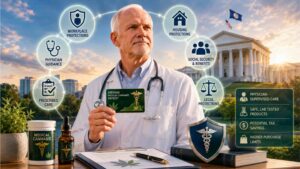
Medical Documentation Matters
Another advantage of maintaining certification is having documented medical oversight.
Your certification establishes that:
- A qualified healthcare provider evaluated your condition.
- Cannabis is being recommended for a legitimate medical purpose.
- Your treatment is monitored over time.
- You have access to ongoing education and medical guidance.
This documentation may become valuable when managing your other medical care and when dealing with employment disputes, legal proceedings, insurance matters, and future regulatory changes.
It also promotes safer, more effective cannabis use by ensuring patients receive individualized recommendations rather than relying on trial and error.
Still need a medical cannabis certification? Click HERE now to book an easy online evaluation and certification.
Hemp Products Face an Uncertain Future
Another reason medical certification is becoming increasingly valuable involves the rapidly changing hemp market.
Over the past several years, hemp-derived THC products—including Delta-8 THC, Delta-9 THC, Delta-10 THC, THC-O, HHC, and many other intoxicating cannabinoids—have become widely available in vape shops, smoke shops, convenience stores, and online retailers.
However, federal lawmakers are now moving toward significantly restricting or prohibiting many intoxicating hemp-derived cannabinoids.
Current proposals could take effect as early as November 2026, dramatically reducing the availability of these products nationwide.
These changes are happening because hemp-derived products have raised concerns regarding:
- Manufacturing consistency
- Product purity
- Accurate labeling
- Contaminants
- Residual solvents
- Unknown synthetic byproducts
Medical cannabis products sold through Virginia’s licensed dispensaries undergo rigorous testing for potency, contaminants, heavy metals, pesticides, and microbial safety. For patients using cannabis therapeutically, regulated medical products remain the safest and most reliable option.
Medical Guidance Makes Better Patients
One of the greatest benefits of obtaining certification isn’t simply legal access.
It’s having an experienced medical provider available to help guide treatment.
Every patient responds differently to cannabis.
Factors such as:
- THC content
- CBD ratios
- Terpene profiles
- Delivery methods
- Dosage
- Timing
all influence treatment success.
A qualified medical cannabis provider can help patients:
- Reduce unwanted side effects
- Improve symptom control
- Select appropriate products
- Adjust treatment over time
- Coordinate cannabis with other medications
That level of personalized care simply doesn’t exist in the recreational marketplace.
The Virginia Recreational Market Is Good News—But Medical Cannabis Still Offers Much More for Patients
Virginia’s decision to launch adult-use retail sales marks an exciting new chapter for the Commonwealth. Consumers will be able to legally access regulated cannabis products through licensed retailers beginning July 1, 2027. No longer will regular consumers need to rely on grey-market hemp products, or even black marker illicit products of unknown safety.
But for patients using cannabis as medicine, obtaining and maintaining a Virginia medical marijuana certification continues to provide important advantages.
Medical patients are likely to continue benefiting from:
- Lower taxes
- Better product access
- Higher purchase limits
- Physician guidance
- Workplace protections
- Federal legal recognition
- Future regulatory protections
- Safer, laboratory-tested products
- Comprehensive medical documentation
As both Virginia and federal cannabis laws continue to evolve, one trend has become increasingly clear:
When lawmakers expand protections, they almost always prioritize medical cannabis and patients.
Frequently Asked Questions
Will I still need a medical marijuana card after recreational cannabis sales become legal in Virginia?
While simple purchases will no longer require a medical certification after July 2027, there will still be many reasons to have a medical card. A Virginia medical marijuana card is expected to continue providing important benefits, including cost savings, physician guidance, workplace protections, tax savings, federal legal protections, and access to better products.
Can anyone buy cannabis in Virginia starting in July 2027?
Beginning July 1, 2027, adults age 21 and older will be able to purchase cannabis from licensed Virginia retailers. However, certified medical cannabis patients will continue to receive benefits that recreational consumers may not.
Why should I keep my Virginia medical cannabis certification?
Medical certification may provide lower taxes, access to specialized medical products, higher purchase limits, physician oversight, and additional legal protections under Virginia and federal law.
Do workplace protections apply to recreational cannabis users?
No. Virginia’s employment protections apply only to certified medical cannabis patients—not recreational cannabis consumers. If you use cannabis to treat a medical condition, maintaining certification may provide additional legal protections.
Will federal cannabis protections apply to recreational users?
Current federal reforms have focused solely on state-authorized medical cannabis programs. Many future changes involving housing, Social Security, probation, and professional licensing are expected to, likewise, prioritize certified medical cannabis patients.
What will happen to hemp-derived THC products?
Federal Hemp-ban legislation is expected to significantly restrict or prohibit many intoxicating hemp-derived THC products beginning later this year. Virginia’s regulated medical cannabis dispensaries will remain the safest and most reliable source of tested cannabis products.
How do I get a Virginia medical marijuana certification?
The process is simple. Schedule a telehealth appointment with a qualified medical cannabis provider, complete your evaluation, and, when approved, receive your Virginia medical cannabis certification so you can purchase products from licensed dispensaries. Click HERE to request an online appointment with a ReThink-Rx medical cannabis specialist.
Get Certified with ReThink-Rx
If you’re using cannabis to manage a qualifying medical condition, becoming a certified Virginia medical cannabis patient remains one of the best ways to protect your access, your health, and your legal rights.
At ReThink-Rx, our experienced specialists provide convenient telehealth evaluations from the comfort of your home. We’ll answer your questions, help you determine whether medical cannabis is appropriate for your condition, and provide ongoing education so you can use cannabis safely and effectively.
Even in a future where recreational cannabis is more widely available, medical certification will likely continue to offer meaningful advantages that recreational consumers simply won’t receive.
As Virginia’s cannabis landscape evolves, ReThink-Rx will continue helping patients stay informed, protected, and confident in their treatment decisions.
Disclaimer: The general information in this article does not constitute legal advice. For legal issues or questions, consult with a qualified legal professional. We neither condemn nor condone adult-use cannabis. Our focus is exclusively on providing support, education, and certification to patients interested in medical applications of cannabis therapy.

Dr. Marsh, is a board-certified anesthesiologist with over 37 years of healthcare experience. A graduate of Syracuse University, the New York College of Osteopathic Medicine, and Rutgers University Medical School, he has earned recognition from FindaTopDoc.com for clinical excellence. Dr. Marsh founded ReThink-Rx in 2021, where he now focuses on educating, supporting, and certifying patients for medical cannabis.