
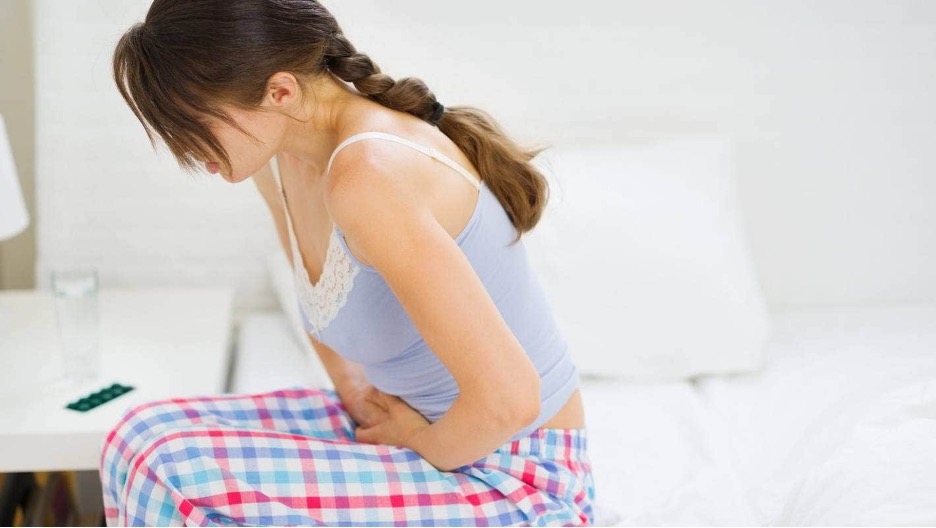
Cannabis Relieves Many Women’s Health Symptoms
MEDICAL MARIJUANA AND WOMEN’S HEALTH
Cannabis helps menstrual pain, PMS, PMDD, menopause, and more.
Women’s Health is a Personal Struggle
Your ReThink-Rx™ Doctor Will Help
Women experience unique health challenges across every stage of life—from menstruation and fertility to pregnancy, menopause, and aging. Many of these conditions involve chronic pain, inflammation, hormonal shifts, mood changes, and sleep disruption. While conventional treatments help many patients, others struggle with incomplete relief or unwanted side effects.
This cornerstone guide explores how medical cannabis may play a supportive role in women’s health care, focusing on symptom management, quality of life, and individualized, physician-guided use.
Why Women’s Health Needs a Personalized Approach
Women’s bodies respond differently to medications due to hormonal cycles, metabolism, and differences in pain perception and immune response. Conditions such as pelvic pain, autoimmune disease, migraine, and mood disorders are more common in women and often more severe.
Many women also manage multiple overlapping issues at once—such as pain, fatigue, anxiety, and sleep problems—which can make treatment especially complex. A whole-person approach that considers physical symptoms, mental health, and daily function is often essential.
How Medical Cannabis Works in the Body
Medical cannabis interacts with the endocannabinoid system, a regulatory network involved in:
- Pain signaling
- Inflammation
- Hormonal balance
- Mood and stress response
- Sleep regulation
- Immune function
Gastrointestinal activity
Because this system influences so many processes relevant to women’s health, cannabis may offer broad symptom support rather than targeting a single pathway. Importantly, cannabis is not a cure for underlying disease, but it may help reduce symptom burden and improve daily comfort.
Common Reasons Women Explore Medical Cannabis
Women often seek medical cannabis for reasons such as:
- Chronic or cyclical pain
- Inflammation-related conditions
- Hormonal symptoms
- Sleep disturbance
- Anxiety or mood changes
- Nausea or appetite changes
Muscle tension or spasms
Many patients report that cannabis helps make symptoms more manageable, allowing them to function more fully at work, home, and in relationships.
Women’s Health Conditions Cannabis May Help Support
Medical cannabis is commonly explored as a supportive option for a wide range of women’s health concerns, including:
- Menstrual cramps and dysmenorrhea
- Endometriosis
- Chronic pelvic pain
- Polycystic ovary syndrome
- Premenstrual syndrome (PMS)
- Premenstrual Dysphoric Disorder (PMDD)
- Migraine and chronic headaches
- Fibromyalgia
- Autoimmune and inflammatory conditions
- Interstitial cystitis and bladder pain
- Chronic low back
- Anxiety and mood disorders
- Sleep disorders
- Menopause-related symptoms
Each condition presents differently, and the response to cannabis varies widely between individuals.
Beyond Pain Relief: Quality-of-Life Benefits
For many women, the most meaningful improvements go beyond pain reduction alone. Patients frequently report:
- Better sleep quality
- Reduced stress and anxiety
- Improved mood stability
- Less muscle tension
- Greater ability to tolerate daily activities
Improved sense of control over symptoms
These benefits can be especially important for chronic conditions that affect both physical and emotional well-being.
Cannabis Across Life Stages
Women’s health needs change over time, and cannabis use should reflect those changes.
- Reproductive years: Cannabis may help manage menstrual pain, pelvic conditions, migraines, and stress. But, as with many other medicines, special caution must be exercised during pregnancy and while breastfeeding. It is advised to avoid cannabis use during this time to eliminate fetal and infant exposure to cannabis. While there is a theoretical risk of interfering with neurocognitive development, early science does not seem to associate cannabis use with cognitive delays; however, the risk is too great until further clarity is obtained.
- Perimenopause and menopause: Some women report relief from sleep disturbance, mood changes, pain, and discomfort.
Later life: Cannabis may support chronic pain, sleep, appetite, and quality of life when used carefully.
At every stage, individualized assessment and medical oversight are critical.
Safety and Responsible Use
Medical cannabis is not appropriate for everyone, and thoughtful use is essential. Possible side effects include dizziness, dry mouth, fatigue, or anxiety at higher doses.
Key principles include:
- Starting with low doses
- Gradual titration
- Avoiding overuse
- Choosing formulations appropriate for symptom goals
- Monitoring for side effects
Regular follow-up with a qualified clinician
Women who are pregnant, trying to conceive, or breastfeeding should always discuss risks carefully with their healthcare provider.
An Integrated, Physician-Guided Strategy
Cannabis works best when it is part of a broader care plan that may include medical treatment, lifestyle adjustments, physical therapy, mental health support, and preventive care.
Effective use depends on:
- Clear symptom goals
- Ongoing communication with a physician
- Adjustments over time
Focus on function and quality of life—not intoxication
Looking Ahead
As research into the endocannabinoid system and women’s health continues to grow, medical cannabis is increasingly recognized as a legitimate supportive therapy. While it is not a cure, it may offer meaningful relief for women navigating complex, often under-treated health conditions.
For women seeking safer, more holistic symptom management, physician-guided medical cannabis may provide another option—one focused on comfort, balance, and living well across every stage of life.
Disclaimer: This article is for educational purposes only and is not a substitute for professional medical advice, diagnosis, or treatment. Always consult a qualified healthcare provider with any questions about your health or medical conditions.

RETHINK
CANNABIS
, HEALTH
, WELLNESS
, COMFORT
WITH RETHINK-RX™